These days, it’s pretty clear how important Environmental Sensors really are. As we try to get a handle on the world around us, these gadgets are actually a big help. They check things like air quality, temperature, and even humidity. You’ll find them everywhere—whether it’s in farming, city planning, or healthcare. It’s like, they’re everywhere, doing their thing.
But here’s the thing—picking the right Environmental Sensors isn’t exactly a walk in the park. There are tons of options out there, so it can feel kinda overwhelming. The key is to focus on a few essentials: quality, accuracy, and how dependable they are. Not all companies are created equal either, so it’s smart to look into their experience and reputation.
A good sensor should be pretty straightforward to set up and use, and most importantly, it should give you real-time data. That way, you can make smarter decisions on the spot. It’s easy to overlook these things when you’re caught up in all the chaos of choosing, but taking a step back and thinking about what actually matters can make all the difference. All in all, finding the right fit really comes down to doing your homework and considering what’s most important for your needs.
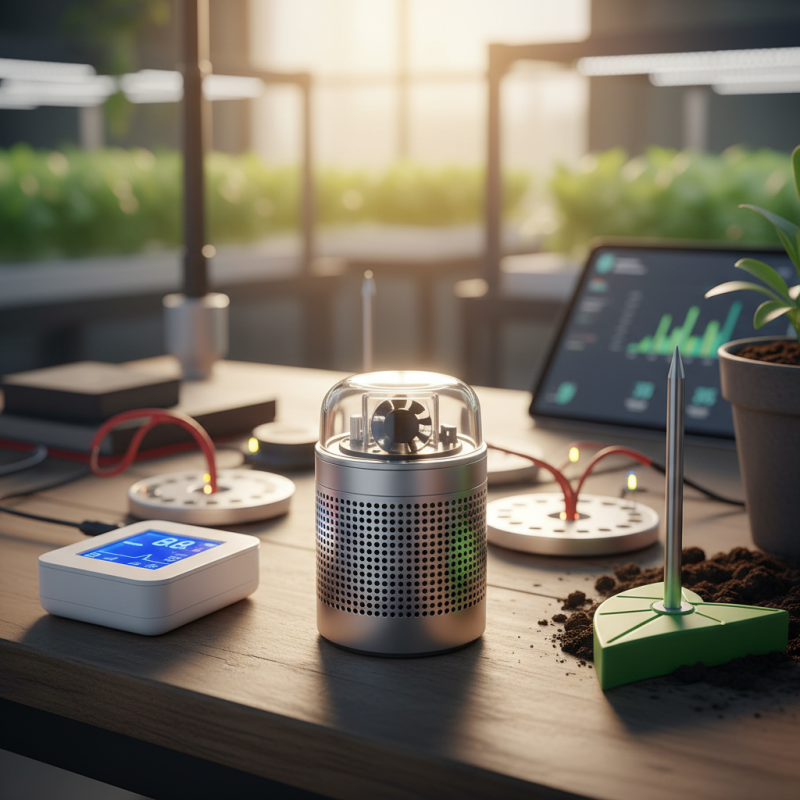
Environmental sensors play a crucial role in monitoring our surroundings. They provide real-time data on air quality, temperature, humidity, and various pollutants. Understanding this data allows individuals and organizations to make informed decisions. The growing concern over climate change emphasizes the need for reliable environmental monitoring.
Selecting the right sensor involves assessing its accuracy and reliability. Not all sensors are equal; some may provide inconsistent readings. Users should consider the environmental conditions where the sensors will be deployed. For example, urban areas may require different sensors than rural locations. This consideration helps achieve effective monitoring.
Additionally, it’s essential to understand the intended application. Some sensors are designed for specific purposes, while others are multi-functional. Knowing the exact needs can save time and resources. A sensor might offer advanced features, but not every feature is necessary for all users. Thoughtful evaluation is key to achieving meaningful results in environmental monitoring.
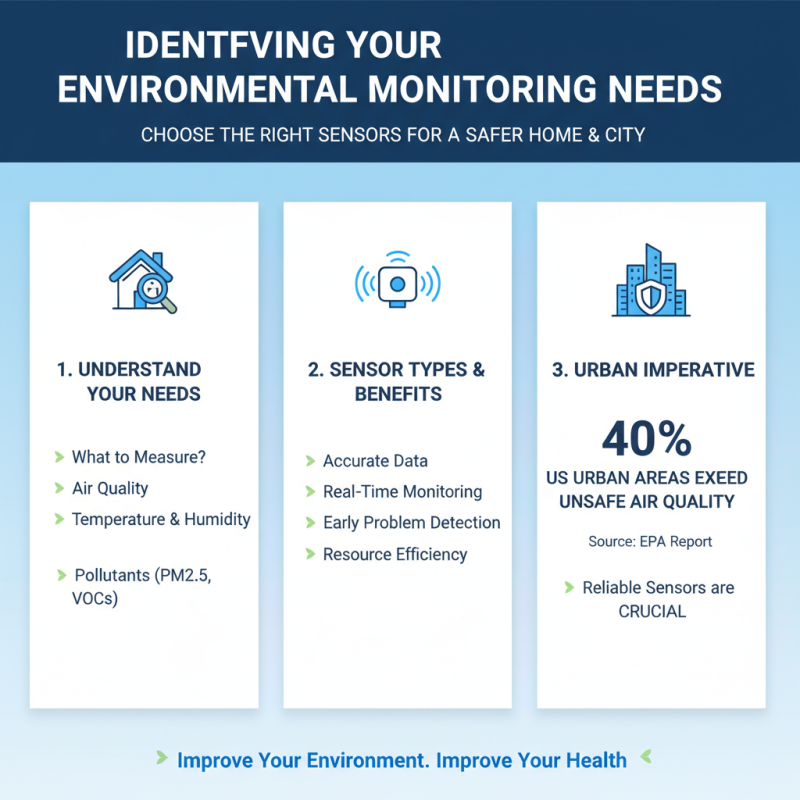
Choosing the right environmental sensors begins with understanding your specific monitoring needs. These sensors measure factors like air quality, temperature, humidity, and pollutants. A recent report from the Environmental Protection Agency (EPA) indicates that up to 40% of U.S. urban areas exceed safe air quality standards. This data highlights the need for accurate and reliable sensors in urban living spaces.
Next, consider the scale of your monitoring requirements. Small residential areas may need basic sensors, while industrial environments demand more sophisticated types. For instance, measuring volatile organic compounds (VOCs) requires specialized sensors. The World Health Organization (WHO) asserts that prolonged exposure to high levels of VOCs can lead to severe health risks. Thus, investing in sensors that meet CE Certification Environmental Sensors guidelines can enhance the reliability of your data.
Reflect on the environment in which the sensors will be deployed. Outdoor sensors face different challenges than indoor ones. Factors like extreme weather or high pollution levels can affect performance. The International Standards Organization (ISO) emphasizes the importance of calibrating sensors according to these variables. This continually evolving landscape requires users to adapt to emerging technologies and standards.
When selecting environmental sensors, understanding the types available is crucial. Air sensors measure pollutants like carbon dioxide and particulate matter. These devices often feature real-time monitoring to help track air quality. Look for models that can distinguish between different gases. Soil sensors assess moisture levels and nutrient content. They provide insights into agricultural needs, which can enhance crop yields and sustainability.
Water sensors are designed to detect chemical impurities and temperature changes. They play a vital role in ensuring safe drinking water. Some sensors even monitor pH levels, helping to protect aquatic ecosystems. Each sensor type serves a unique purpose, and their functionalities can vary greatly.
Consider the reliability of data those sensors provide. Environmental Sensors Manufacturers offer a range of options, but quality varies. Always check for certifications and reviews. A reliable sensor can prevent costly mistakes and improve environmental management. Remember, even the most advanced sensors can produce misleading data if not calibrated correctly. Reflect on your specific needs and study the available types carefully.
| Sensor Type | Measurement Parameters | Accuracy | Deployment Environment | Cost Range ($) |
|---|---|---|---|---|
| Air Quality Sensor | CO2, VOCs, PM2.5 | ± 5% to ± 10% | Indoor/Outdoor | 150 - 500 |
| Water Quality Sensor | pH, DO, Turbidity | ± 0.1 pH | Freshwater/Marine | 200 - 800 |
| Soil Moisture Sensor | Moisture Level, Temperature | ± 2% | Agricultural fields | 50 - 200 |
| Radiation Sensor | Gamma Radiation | ± 10% | Indoor/Outdoor | 500 - 1500 |
| Noise Level Sensor | Decibel Level | ± 1 dB | Urban Areas | 100 - 400 |
When selecting environmental sensors, accuracy and sensitivity are paramount. Research from the NIST indicates that inaccurate readings can lead to flawed data analysis, affecting environmental assessments and public health decisions. Sensors that display a variance of over 5% from actual measurements are considered unreliable. This highlights the need for careful evaluation before investment.
Sensitivity is also critical for detecting subtle changes in environmental conditions. A report from the EPA explains that high-sensitivity sensors can identify changes that may be invisible to lower-tier devices. For example, in air quality monitoring, even minute fluctuations can signify pollution spikes. A sensor that captures variations as small as 0.1 parts per million is invaluable for timely responses.
Yet, the market is flooded with options. Many products claim high accuracy and sensitivity. Evaluating claims requires expert insight and understanding of calibration methods. Not all manufacturers provide transparent performance data. Consequently, buyers often face confusion and may overlook essential features. This uncertainty can lead to investments in inefficient sensors, ultimately compromising environmental monitoring goals.
When selecting an environmental sensor, it's crucial to assess durability and maintenance requirements. Many sensors are subjected to harsh environmental conditions. According to a recent industry report, approximately 30% of sensors fail due to inadequate durability. This statistic emphasizes the need for robust materials. Look for sensors made from weather-resistant materials. These can withstand temperature fluctuations, humidity, and pollutants.
Maintenance is another key factor. Regular upkeep can prolong a sensor's lifespan. Studies show that sensors requiring less frequent maintenance tend to have a higher overall performance rating. It's essential to consider ease of maintenance. Some models are designed for straightforward servicing, while others may need specialized tools. Over-complicated designs can lead to increased costs and downtime.
Ignoring these factors can lead to frustration. If a sensor fails frequently, it can impact data integrity. It’s important to invest in durable options. Research shows that the initial cost of a reliable sensor often pays off long-term. Data collected over time can save money and enhance operational efficiency. Understanding durability and maintenance needs is vital in the sensor selection process.
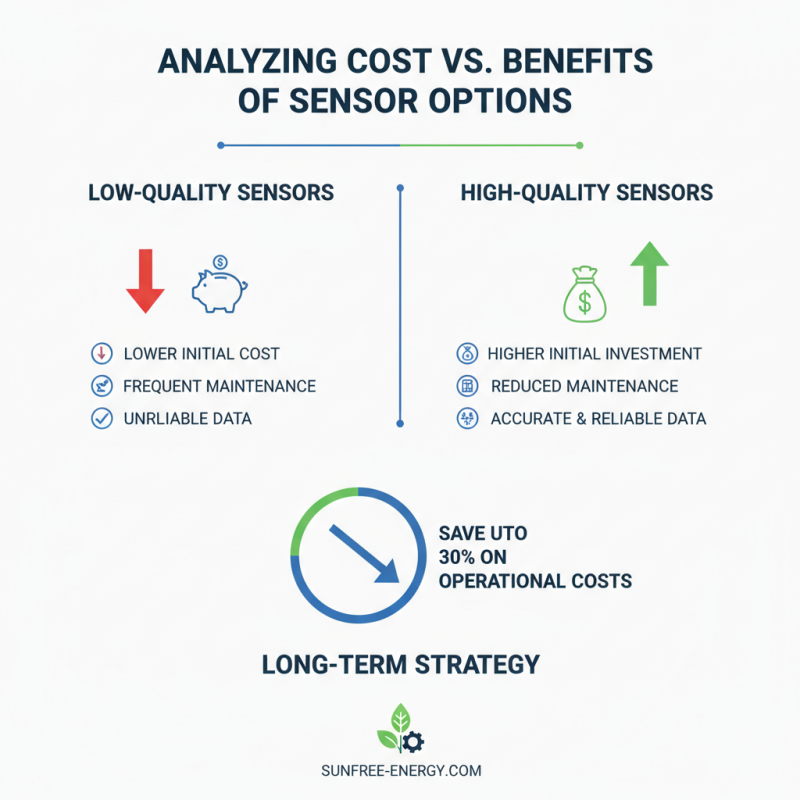
When selecting environmental sensors, it's crucial to analyze the cost versus benefits each option presents. A recent industry report indicates that businesses might save up to 30% on operational costs by choosing High-Quality Environmental Sensors that provide accurate data. These sensors not only reduce the need for frequent maintenance but also enhance data reliability. Investing in better sensors is a long-term strategy.
However, the initial cost can be daunting. It’s common to weigh cheaper models against higher-end versions. A study published by the Environmental Monitoring Agency revealed that low-cost sensors often lead to inaccurate readings, resulting in costly errors. For instance, inaccurate CO2 readings can affect ventilation systems and lead to health risks or increased energy costs. Balancing these factors requires careful consideration.
Companies might find it challenging to justify spending more upfront. Budget constraints often limit sensor choice. In some cases, cheaper sensors might seem attractive but can incur hidden costs over time. The importance of accurate data cannot be overstated. Poor-quality sensors do not just affect performance; they can impact overall project success.
Choosing the right environmental sensors requires assessing compatibility with existing monitoring systems. Many organizations already use a range of tools. Ensuring that new sensors can integrate seamlessly into this ecosystem is crucial. According to industry reports, about 44% of organizations cite compatibility as a primary factor in sensor selection.
The ideal environmental sensors should not only align with existing technologies but also enhance data collection methods. For instance, a well-suited sensor can improve accuracy and reliability of readings. However, it’s essential to evaluate if the current systems support the new sensor's communication protocols. Sometimes, the integration process can be complex and may require additional software or hardware.
Additionally, the choice of sensors should not favor trendy features over practical benefits. Relying solely on advanced technology can lead to overlooking essential aspects like maintenance and user training. An Environmental Sensors Manufacturer should provide adequate support for integration counseling. This support can help organizations better understand the full potential of their sensors, while also reflecting on areas that may need improvement in their current setups.
: Environmental sensors monitor air quality, temperature, humidity, and pollutants. They provide real-time data for informed decision-making.
Assess accuracy and reliability. Consider where the sensor will be used, such as urban or rural areas.
No, some sensors may give inconsistent readings. It's important to research before making a selection.
Some sensors serve specific purposes while others are multi-functional. Understanding your needs is essential.
Many sensors face harsh conditions. About 30% fail due to inadequate durability. Look for weather-resistant materials.
Regular maintenance can extend lifespan and improve performance. Models needing less upkeep often perform better.
Ignoring maintenance can lead to frustration. Frequent failures impact data integrity and increase costs.
Not every sensor's features are essential for all users. Evaluate your specific needs for meaningful results.
Higher initial costs can pay off long-term. Reliable data enhances efficiency and can reduce operational expenses.
Careful assessment helps choose the right sensor, preventing wasted resources and ensuring effective monitoring.
When selecting the best environmental sensors, it is vital to first understand their significance across various monitoring applications. Begin by identifying your specific environmental monitoring needs, whether they pertain to air quality, water purity, or soil health. Different sensor types cater to these distinct requirements, making it essential to compare their functions and capabilities.
Accuracy and sensitivity are critical factors in evaluating environmental sensors, as reliable data is paramount for effective monitoring. Additionally, consider the durability and maintenance needs of the sensors to ensure long-term functionality. Conducting a cost-benefit analysis will help determine the most suitable options within your budget, while compatibility with existing monitoring systems ensures seamless integration. By following these guidelines, you can make informed decisions when choosing environmental sensors that best fit your objectives.