Leave Your Message
0%

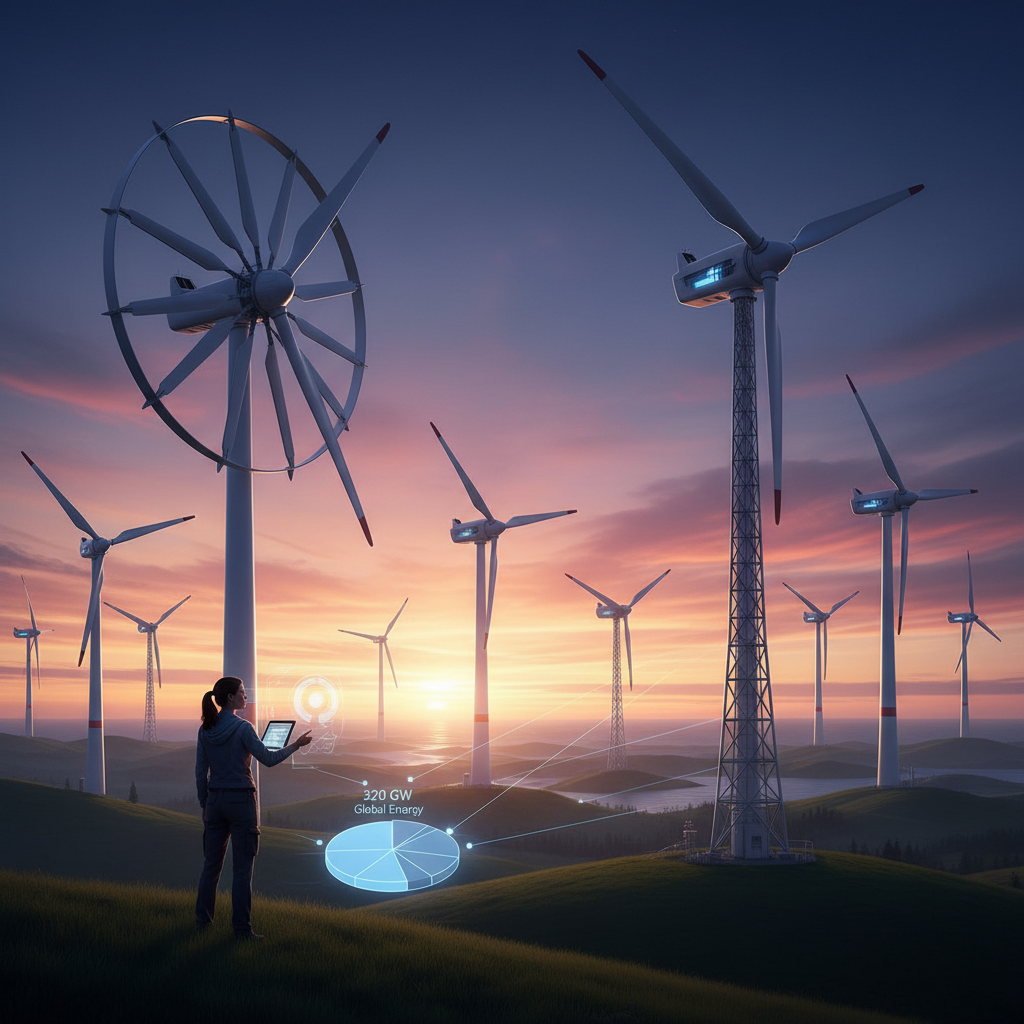
As the world shifts more and more towards Renewable Energy, wind turbines are really playing a huge role in this whole movement. I mean, according to Dr. Emily Carter—who’s basically a top expert in wind energy and the Chief Scientist at WindTech Innovations—'Wind turbines don’t just tap into nature’s power; they’re also a pretty important step toward building a sustainable future.' And honestly, with all the recent advances in wind turbine tech, we've now got some seriously impressive models out there. Together, they’re pumping out a massive 320 gigawatts of energy worldwide—that’s pretty mind-blowing.

In this article, I’m going to take a look at the leading wind turbine models that are really making a difference when it comes to global energy. Each one is built with the latest tech to squeeze out as much efficiency and power as possible, helping wind energy stay competitive with good old fossil fuels. By going through these top ten models, we can get a better feel for how innovation in wind turbine design is really shaping the future of renewable energy—and helping us meet the skyrocketing demand for cleaner, greener solutions around the globe.
Top 10 Wind Turbine Models Driving 320 Gigawatts of Global Energy Production

Understanding Wind Turbine Efficiency Metrics

Top 10 Wind Turbine Models Driving 320 Gigawatts of Global Energy Production

Wind turbine efficiency is a crucial aspect in the development of renewable energy sources, particularly as the world moves towards sustainable power generation. This metric typically evaluates how effectively a wind turbine converts wind energy into electrical energy. Factors influencing efficiency include the turbine's design, rotor size, and location, with optimal configurations yielding higher outputs in varied wind conditions. In this context, models that incorporate advanced aerodynamic technology and robust control systems have demonstrated significant improvements in energy conversion rates.

Moreover, the capacity factor, a key efficiency metric, reflects the actual output of a turbine over a certain period compared to its potential maximum output. Top-performing wind turbine models are designed to maintain high capacity factors, even in fluctuating wind climates. Innovations in materials and engineering have allowed manufacturers to produce larger rotors that capture more wind energy while maintaining structural integrity. As wind energy continues to play a pivotal role in global power generation, understanding these efficiency metrics is essential for stakeholders aiming to optimize performance and maximize renewable energy contributions.

Comparing Globally Leading Turbine Models

The wind energy sector has witnessed remarkable growth, with numerous turbine models leading the charge in global energy production. This article compares the top-performing turbines credited with generating a staggering 320 gigawatts worldwide. Among these, the GE Haliade-X stands out, renowned for its impressive capacity and efficiency. With its towering height and advanced blade design, it captures more wind and converts it to energy, setting a benchmark for future innovations.

Another notable contender is Siemens Gamesa’s SG 14-222 DD, which introduces cutting-edge direct drive technology. This model not only achieves higher energy output but also lowers operational costs, making it a favorite for both onshore and offshore projects. Additionally, Vestas’ V236-15.0 MW turbine has taken the spotlight for its capacity to harness extreme wind conditions, showcasing durability and performance.

By evaluating these leading turbine models, we gain insights into the technological advancements propelling the wind energy industry forward, emphasizing their crucial role in the transition to renewable energy sources.

Key Features of High-Performance Wind Turbines

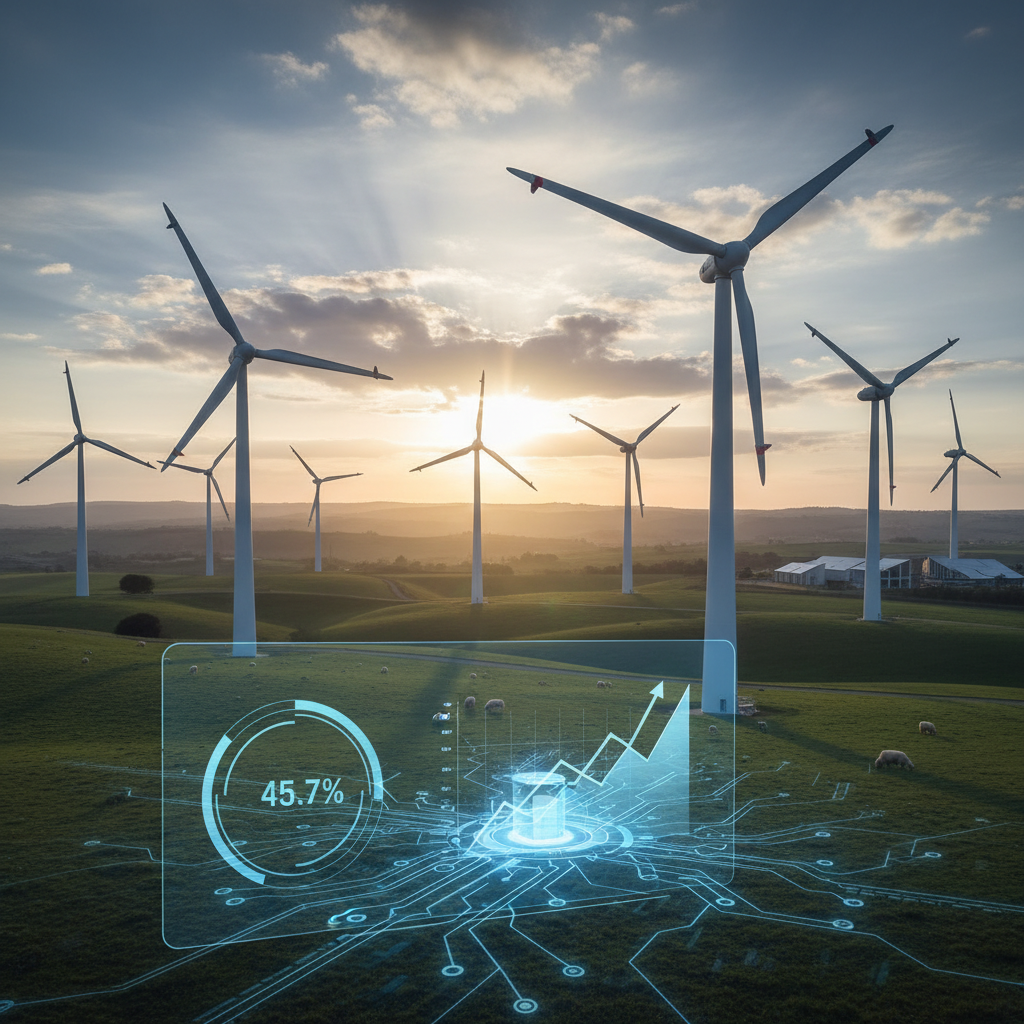
The landscape of renewable energy is being significantly transformed by high-performance wind turbines designed to maximize efficiency and output. These advanced models often incorporate cutting-edge aerodynamic blade designs that enhance energy capture even in low-wind conditions. By employing larger rotor diameters and optimized pitch control systems, these turbines harness wind energy more effectively, contributing to an impressive total of 320 gigawatts in global energy production.

In addition to their aerodynamic capabilities, many top models are equipped with smart technology for improved performance monitoring and predictive maintenance. This integration of digital solutions allows for real-time data analysis, enabling operators to foresee mechanical issues before they become critical. Furthermore, advancements in materials science have led to lighter yet more durable components, minimizing downtime and increasing the turbines' lifespan while ensuring they can withstand harsh environmental conditions. Such innovations are pivotal in pushing the boundaries of renewable energy output and establishing a sustainable future.

Top 10 Wind Turbine Models Driving 320 Gigawatts of Global Energy Production - Key Features of High-Performance Wind Turbines

Turbine Model Rated Power (MW) Rotor Diameter (m) Height (m) Annual Energy Production (MWh)
Model A 3.5 120 150 10,500
Model B 4.0 125 160 12,000
Model C 2.5 110 140 8,000
Model D 5.0 130 180 15,000
Model E 3.0 115 160 9,600
Model F 6.0 150 200 20,000
Model G 2.2 100 135 7,200
Model H 4.5 140 170 14,500
Model I 3.8 125 150 12,800
Model J 5.5 135 190 18,500

Analyzing the Impact of Turbine Size on Energy Output

Top 10 Wind Turbine Models Driving 320 Gigawatts of Global Energy Production

The size of wind turbines significantly influences their energy output, a crucial factor in maximizing the efficiency of global energy production. As larger turbines can capture more wind and convert it into electricity, their presence is essential in driving the increasing capacity of renewable energy sources. With the top ten wind turbine models contributing to 320 gigawatts of global energy production, advancements in turbine design have led to remarkable improvements in energy yield and operational reliability.

At SUNFREE Lighting Technology Co., Ltd., we are committed to fostering innovation in new energy applications. Our expertise in full-scale design and manufacturing allows us to contribute to the evolution of renewable energy solutions, including the integration of advanced wind turbine technology. By studying turbine size and its correlation to energy output, we can enhance our product offerings and support the transition to cleaner energy sources.

Tips: When considering the installation of wind turbines, it's essential to evaluate the height and rotor diameter, as these factors directly affect the wind capture efficiency. Additionally, choosing the right location with adequate wind resources will significantly improve energy production. Emphasizing the significance of design and technology in turbine development can lead to more sustainable energy initiatives in the future.

Innovative Technologies in Wind Turbine Design

Innovative technologies in wind turbine design are shaping the future of renewable energy, driving advancements that contribute to the impressive global production of 320 gigawatts. Wind turbines have evolved significantly, with developments in aerodynamics, materials, and scalability playing a critical role. For instance, the introduction of larger rotor diameters has increased energy capture, enabling turbines to harness more wind with improved efficiency. According to the Global Wind Energy Council, the deployment of larger, more efficient turbines can raise annual energy output by up to 15% compared to previous designs.

At SUNFREE Lighting Technology Co., Ltd., our commitment to new energy applications extends to incorporating these innovations into our products. As a leading company in the field, we focus on research and development that aligns with cutting-edge wind turbine technology. Our goal is to enhance energy efficiency and sustainability across our product range, ensuring that we contribute meaningfully to the global energy landscape.

**Tip:** When selecting wind turbine models for investment, consider not only the turbine's size but also its technological advancements and expected lifecycle performance. The integration of smart sensors and real-time data analytics can drastically improve operational efficiency and maintenance schedules, making a significant difference in overall output.

Top 10 Wind Turbine Models Driving 320 Gigawatts of Global Energy Production

This chart illustrates the installed capacity (in megawatts) of the top 10 wind turbine models contributing to global energy production. The data highlights advancements in technology and the growing importance of wind energy in reducing carbon emissions.

Future Trends in Wind Turbine Development and Deployment

The wind turbine industry is on the brink of a significant transformation, driven by advancements in technology and an increasing demand for clean energy solutions. As noted in recent market analyses, the global nacelle market is expected to value at $4.92 billion in 2024 and reach approximately $34.626 billion by 2032, demonstrating an impressive compound annual growth rate (CAGR) of 27.39%. This surge highlights the critical role nacelles play in the overall efficiency and effectiveness of wind energy production.

In addition to advancements in nacelle technology, the industry is also witnessing innovations such as floating offshore wind farms and improved turbine designs, which enhance energy generation capabilities.

The rapid expansion of the wind energy sector reflects a broader commitment to sustainable energy sources, with global wind power installations projected to increase significantly in the coming years. As the industry evolves, staying informed about these emerging trends will be crucial for stakeholders looking to capitalize on the growing demand for renewable energy solutions.

FAQS

: What are the top turbine models highlighted in the article?

: The article highlights several top turbine models, including the GE Haliade-X, Siemens Gamesa’s SG 14-222 DD, and Vestas’ V236-15.0 MW turbine.

What makes the GE Haliade-X notable in the wind energy sector?

The GE Haliade-X is renowned for its impressive capacity and efficiency, utilizing advanced blade design to capture more wind and convert it to energy.

How does Siemens Gamesa's SG 14-222 DD contribute to operational efficiency?

The Siemens Gamesa SG 14-222 DD employs cutting-edge direct drive technology to achieve higher energy output while lowering operational costs.

What unique feature does Vestas’ V236-15.0 MW turbine have?

The Vestas V236-15.0 MW turbine is designed to perform well in extreme wind conditions, showcasing its durability and performance capabilities.

What is driving the transformation of the wind turbine industry?

Advancements in technology and increasing demand for clean energy solutions are key drivers transforming the wind turbine industry.

What is projected for the global nacelle market by 2032?

The global nacelle market is projected to reach approximately $34.626 billion by 2032, growing from $4.92 billion in 2024 with a CAGR of 27.39%.

What innovations are enhancing energy generation capabilities in wind energy?

Innovations such as floating offshore wind farms and improved turbine designs are enhancing energy generation capabilities in the sector.

Why is it important for stakeholders to stay informed about emerging trends in wind energy?

Staying informed about emerging trends is crucial for stakeholders to capitalize on the growing demand for renewable energy solutions as the industry evolves.

Conclusion

The article titled "Top 10 Wind Turbine Models Driving 320 Gigawatts of Global Energy Production" delves into the intricacies of wind turbine efficiency metrics, offering insights into the leading turbine models globally. It evaluates key features that contribute to the performance of high-efficiency wind turbines while analyzing how turbine size influences their energy output. Innovative technologies in wind turbine design are also discussed, highlighting advancements that enhance energy generation. The article concludes by exploring future trends in wind turbine development and deployment, emphasizing the importance of continuous innovation in this crucial sector.

As a leader in the new energy application products field, SUNFREE Lighting Technology Co., Ltd. is committed to pushing the boundaries of technology in wind turbine design and manufacturing. By investing in research and development, the company aims to contribute significantly to the global push for sustainable energy solutions, aligning with the growing demand for efficient wind energy systems.

Isabella

Isabella

Isabella is a dedicated marketing professional at Zhongshan Sanhui Lighting Technology Co., Ltd., where she has honed her expertise in the lighting industry. With a keen understanding of the company's innovative products and services, Isabella plays a crucial role in promoting the company's core......
Previous Unlocking Smart City Solutions Top Tips for Sourcing Quality Suppliers