You know, the quick-paced world of Environmental Sensors is really booming, and China’s definitely leading the charge. It’s no surprise, considering how everyone’s demanding better and more accurate ways to keep an eye on our environment. Experts like Dr. Xiu Yang often say that the real game-changer in this field will be innovation combined with flexibility—sounds about right, doesn’t it?
Chinese companies are rolling out tons of cutting-edge sensors these days—things that keep tabs on air quality, water safety, and soil health. For example, firms like Huaneng Optoelectronics produce super precise gadgets that aren’t just for China—they’re used worldwide. They deliver real-time data, which is pretty crucial if we're serious about protecting our planet.
That said, it’s not all smooth sailing. Not everyone in the market is up to snuff when it comes to global standards, so reliability can sometimes be an issue. Buyers really need to do their homework—scrutinize quality, check compliance, and be a bit cautious. All in all, navigating China’s environmental sensor scene is a mix of exciting opportunities and a few hurdles, and it pays to be cautious but optimistic.

China's Environmental Sensors market has seen substantial growth in recent years. According to a report by ResearchAndMarkets, the market is expected to grow at a CAGR of 8.5% from 2023 to 2028. This growth is driven by increased urbanization and a rising demand for air quality monitoring. In 2022, the air quality sensor segment alone accounted for over 40% of the market share, highlighting its importance.
The Chinese government is pushing for stricter pollution control measures, enhancing the need for reliable environmental monitoring solutions. Reports indicate that the industrial sector is the largest consumer of these sensors. The sector demands high-precision monitoring to comply with new regulations. However, challenges remain. Many sensors lack standardization, leading to reliability issues. The rush to innovate often results in products that do not meet all user needs. This shows a significant area for improvement in the industry.
Moreover, the integration of advanced technologies, like IoT and AI, is transforming the market. Many companies are developing smart sensors that offer real-time data analysis. This trend is essential but requires ongoing investments in research and development. Manufacturers that prioritize quality and reliability will attract global buyers in this competitive landscape. Overall, while opportunities are abundant, the market also calls for responsible practices and rigorous standards.
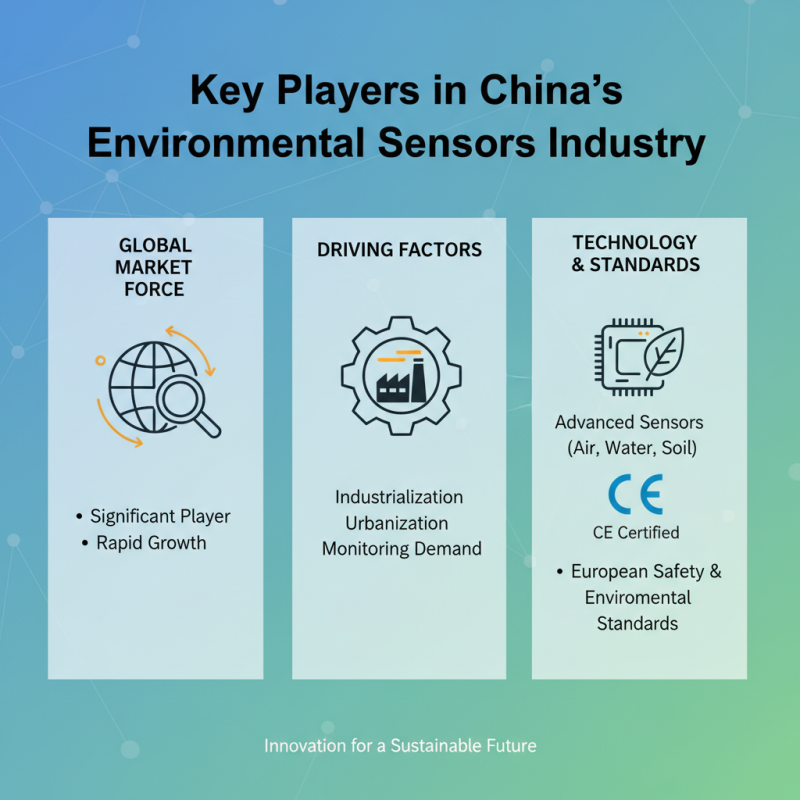
China has become a significant player in the global environmental sensors market. The nation's rapid industrialization and urbanization have driven the demand for effective monitoring solutions. Key players in this field focus on developing advanced technologies to address air, water, and soil quality concerns. Many companies emphasize CE Certification Environmental Sensors, ensuring products meet stringent European safety and environmental standards.
Several companies have made notable strides in innovation. They create sensors that can detect pollutants with high accuracy. These products often feature user-friendly interfaces and reliable data transmission systems. However, the industry still faces challenges, such as a lack of standardization across different regions. This inconsistency complicates the global market, leaving buyers uncertain about quality and effectiveness.
Moreover, partnerships with academic institutions enhance research and development. These collaborations aim to foster cutting-edge technologies for environmental monitoring. Yet, there are gaps in the integration of these technologies into practical applications. Buyers need to navigate this complex landscape carefully, ensuring they choose reliable sources for their environmental sensor needs.
In China, the demand for environmental sensors is growing rapidly. Various types are available to meet different needs. Air quality sensors are crucial in urban areas. They monitor pollutants like PM2.5 and NO2. According to a recent report by MarketsandMarkets, the environmental monitoring market in China is expected to reach $5.2 billion by 2027.
Water quality sensors are also essential. These devices check for contaminants in rivers and lakes. They help in managing resources effectively. A study by ResearchAndMarkets indicates that the water quality monitoring segment is expanding at a CAGR of over 9%. This growth reflects increased concern for water safety.
Tips: When selecting an environmental sensor, consider the type of data you need. Look for sensors that offer real-time monitoring capabilities. Cross-reference the data from multiple sources to ensure accuracy. Adopting a cautious approach can improve your reliance on the readings.
| Sensor Type | Measurement Parameter | Accuracy | Output Interface | Applications |
|---|---|---|---|---|
| Air Quality Sensor | PM2.5, PM10, VOCs | ±5 µg/m³ | Analog, Digital | Urban Monitoring, Industrial |
| Soil Moisture Sensor | Moisture Content | ±2% | Analog, Digital | Agriculture, Horticulture |
| Water Quality Sensor | pH, Dissolved Oxygen, Turbidity | ±0.1 pH | Analog, RS-485 | Environmental Monitoring, Aquaculture |
| Noise Sensor | Decibel Levels | ±1 dB | Analog, Digital | Urban Planning, Industrial |
| Meteorological Sensor | Temperature, Humidity, Pressure | ±0.5°C, ±3% RH | Wired, Wireless | Weather Stations, Research |
Technological innovations in environmental sensors have surged, especially in China. These sensors monitor air quality, water purity, and soil conditions. They provide real-time data critical for both urban planning and industrial applications. Environmental Sensors Manufacturers focus on enhancing precision and reducing response times. They use advanced materials and smart algorithms in sensor design. This evolution prompts smarter analytics and tailored solutions.
While the capabilities of these sensors improve, challenges remain. Calibration can often be a complex issue. Some sensors may struggle in extreme conditions. Reliability is a concern that users must address consistently. Many devices require regular maintenance to function accurately over time. Environmental Sensors Manufacturers are exploring solutions that could mitigate these issues in the future.
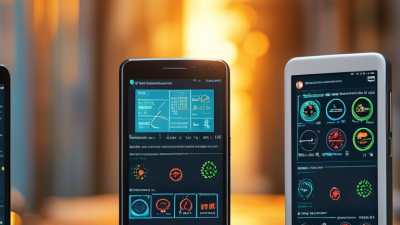
User-friendly interfaces are a growing trend. Innovations now offer mobile compatibility, making data access seamless. However, not all products meet the same quality standards. It is crucial for buyers to evaluate specifications carefully. Connected sensor networks are also evolving, enhancing data sharing across platforms. As these technologies mature, the potential for better environmental management continues to unfold.
In recent years, China's regulatory framework for environmental sensors has become increasingly structured. The government introduced guidelines to improve data accuracy and reliability. This ensures that manufacturers adhere to strict standards, promoting quality in sensor deployment.
Tips: Understand the local regulations before entering the market. Compliance is key for operational success.
Local authorities focus on air and water quality monitoring. Regulatory approvals for these sensors are mandatory. Environmental compliance officers oversee the certification process. It can be challenging for newcomers to navigate this landscape. Some manufacturers face delays due to incomplete documentation.
Tips: Collaborate with local experts to streamline approvals. Their experience can save you time.
Furthermore, while regulations aim to protect public health, the process may appear cumbersome. The evolving nature of environmental laws adds complexity. Stay informed about changes, as non-compliance can lead to penalties. Regular updates from government sources can aid businesses in adapting.
Purchasing sensors from China can present several challenges for global buyers. One significant issue is quality control. Not all manufacturers adhere to strict quality standards. A report from the International Electrotechnical Commission indicates that about 25% of environmental sensors produced in China do not meet international certifications. This raises concerns about reliability, especially for critical applications.
Another challenge is communication barriers. Language differences can complicate negotiations and lead to misunderstandings. Many suppliers may not provide adequate technical documentation in English. This lack of clarity can hinder a buyer's ability to assess whether they are obtaining **High-Quality Environmental Sensors**. Miscommunication can lead to ordering incorrect specifications, delaying projects and increasing costs.
When sourcing, consider these tips: always request samples before committing to larger orders. Inspect these samples under real conditions. Establish clear communication lines for technical support. It's vital to build relationships with reliable suppliers. Trustworthy partners can help navigate the complexities of international purchasing. Understanding the nuances of the market can reduce risks and improve outcomes.
The future of environmental sensing technology in China is rapidly evolving. As urbanization and industrialization intensify, the demand for precise monitoring systems grows. Reports suggest that the environmental sensor market in China is expected to reach $2 billion by 2025, driven by regulations and environmental awareness. This trend highlights a shift towards better data collection and a need for innovations that can enhance accuracy in detecting pollution levels.
Emerging technologies, such as IoT and AI, play critical roles in advancing environmental sensors. These innovations allow for real-time data analysis and faster decision-making processes. A notable concern, however, remains the integration of these complex systems in urban settings. Many cities face challenges due to a lack of standardization among sensors. The disparity in data quality and reporting methods can lead to inconsistent results, complicating environmental assessments.
Additionally, sustainability in manufacturing processes is paramount. As an Environmental Sensors Manufacturer, there is a need to prioritize eco-friendly materials. Many manufacturers are grappling with the balance between performance and environmental impact. Research indicates that sensors designed with sustainability in mind can lead to a 30% reduction in waste production. Thus, the market is under pressure to innovate responsibly while addressing growing environmental concerns.
: Rapid industrialization and urbanization are key factors. Effective monitoring solutions are essential due to increased pollution.
There is a lack of standardization across regions. This inconsistency affects product quality and buyer confidence.
Collaborations enhance research and development, fostering innovative technologies for environmental monitoring. Practical applications still lag behind.
Advances include improved precision and smart algorithms. Real-time data monitoring is crucial for urban planning and industry.
Calibration can be complex and sensors may struggle in extreme conditions. Regular maintenance is necessary for accuracy.
They enable real-time data analysis and faster decision-making. However, integration into urban settings poses significant challenges.
Eco-friendly materials can reduce waste production significantly. Balancing performance and environmental impact is increasingly essential.
Carefully reviewing specifications is crucial. Not all products offer the same quality, and understanding features is key.
The market is expected to reach $2 billion by 2025, driven by regulations and growing environmental awareness.
Yes, many sensors now offer mobile compatibility for easier data access. However, quality standards can vary significantly.
The environmental sensors market in China is rapidly evolving, driven by increasing demand for advanced monitoring solutions. This article explores the key players, types of environmental sensors available, and the technological innovations shaping the industry. The regulatory framework in China supports the growth of this sector, although global buyers often face challenges in sourcing these sensors, including quality assurance and compliance with international standards.
Looking ahead, future trends in environmental sensing technology are expected to focus on enhanced accuracy, miniaturization, and integration with smart technologies. As global attention increasingly shifts toward sustainability and environmental protection, China's environmental sensors are poised to play a critical role in addressing these global challenges, making them a valuable asset for buyers worldwide.