As the world moves more and more toward sustainable energy, Solar Power is really stepping into the spotlight as a top solution. More and more buyers around the globe are on the hunt for effective solar tech, and the push for cleaner energy has skyrocketed lately. But let’s be honest, not every solar option out there is equal. It can honestly get pretty overwhelming trying to figure out what’s best. There are so many companies out there offering all kinds of solar products—whether it's panels, batteries, or storage systems. Big names like SunPower, First Solar, and Canadian Solar are usually at the top of the list, each with their own strengths when it comes to efficiency and reliability. Still, it’s not just about the brand; you’ve gotta navigate through the details of quality and costs, which can be tricky. It’s really important to look at both innovation and the company’s track record. Sometimes, products that seem promising turn out to fall short, even if the marketing makes them sound fantastic. Doing some homework by reading customer reviews and industry reports is a must. And don’t forget to check out warranties and support services afterward—those little details can totally make or break your decision. With so many options out there, being well-informed makes all the difference if you want your solar investment to really pay off.
Overview of Solar Power Solutions and Their Importance
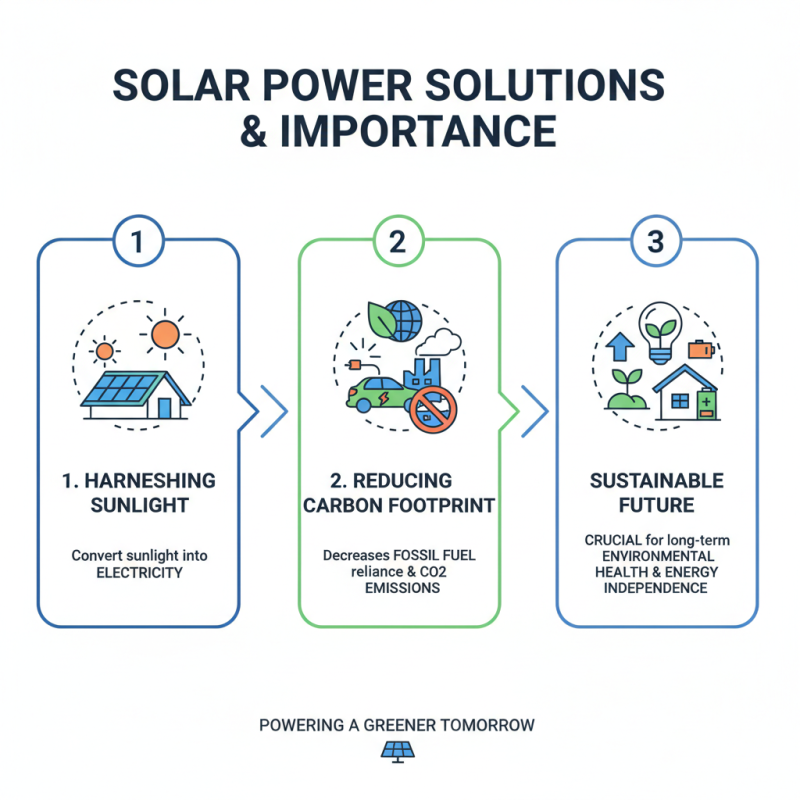
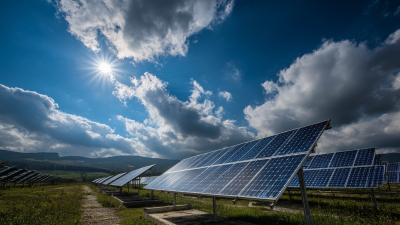
Solar power solutions are becoming increasingly important in our quest for sustainable energy. These systems harness sunlight to generate electricity and reduce carbon footprints. The shift towards renewable sources is not only urgent but also crucial for long-term environmental health.
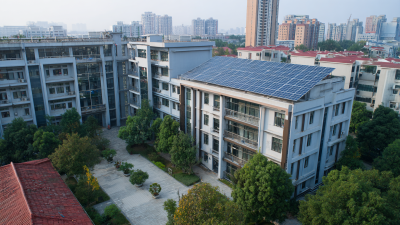
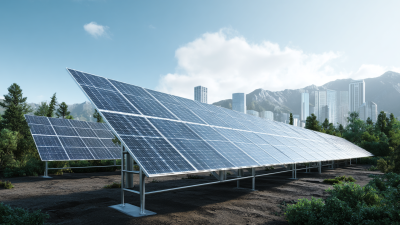
For global buyers, understanding the various solar power solutions is essential. They can range from residential Solar Panels to large-scale solar farms. Each solution has unique benefits and challenges. For instance, while rooftop installations provide autonomy, they depend on available roof space and sunlight exposure.
Tips: Consider your energy consumption needs before choosing a solution. Evaluating local climate conditions is also vital. Not all regions receive the same sunlight intensity. This variability can influence the effectiveness of selected solar technologies.
The importance of solar energy cannot be overstated. It promotes energy independence and can lead to significant cost savings over time. Yet, potential buyers should be cautious. Quality of installation and the technology used can vary. Conducting thorough research and seeking expert advice can help in making informed decisions.
Key Factors to Consider When Choosing Solar Power Solutions
When considering a Solar Power System, several key factors come into play. Solar efficiency is paramount. High-efficiency panels convert more sunlight into electricity, maximizing energy output. Reports indicate that top-tier solar panels can achieve efficiency rates exceeding 22%. This translates into greater savings over time.
Costis another crucial aspect. The initial investment for a Solar Power System can be significant. However, lifetime savings on energy bills often justify this expense. A study from theNational Renewable Energy Laboratory shows that homeowners could save an average of $30,000 over 20 years by switching to solar.
Installation is also vital. Skilled technicians ensure optimal placement for the Solar Power System. Poor installation can lead to reduced efficiency and higher maintenance costs. Additionally, consider local regulations and incentives. Understanding these can lead to better financial decisions. Each region may have its own specific requirements, affecting overall system performance and legality. Overall, these factors combine to inform a thoughtful approach to adopting solar technology.
Top 10 Solar Panel Options for Commercial and Residential Use
When choosing solar panels for residential or commercial use, buyers face numerous options. Selecting the right type can significantly impact energy efficiency. Evaluating the performance and longevity of each option is essential. This means understanding wattage, efficiency ratings, and warranties. Solar panels vary in design, affecting installation costs and aesthetic appeal.
One popular option is monocrystalline panels. They offer high efficiency, making them a top choice for limited roof space. However, they come at a premium price. On the other hand, polycrystalline panels generally cost less, but they may require more installation area due to lower efficiency. For those who prioritize budget, thin-film panels could be a viable alternative. They are lightweight and flexible but often yield less power.
Solar Power For Home use has grown rapidly. Many homeowners seek sustainability and energy independence. However, initial investment and sometimes complicated installation processes can deter potential buyers. What's essential is conducting thorough research and consulting with energy professionals. Imbalances in knowledge can lead to poor purchasing choices, emphasizing the need for reliable information.
Innovative Solar Inverter Technologies for Enhanced Efficiency
Innovative solar inverter technologies are crucial for enhancing energy efficiency in solar power systems. With global solar capacity reaching over 1,000 GW in 2023, the demand for efficient inverters continues to rise. According to the International Energy Agency (IEA), inverters now account for 15% of total system costs. This emphasizes the importance of selecting advanced inverter technologies.
Today, there are several types of inverters. String inverters are widely used due to their reliability and cost-effectiveness. However, microinverters are emerging as a notable alternative. They enable module-level optimization, which can boost overall performance by up to 25%. This is significant given the environmental factors that can impact a system's output.
**Tips:** When choosing a solar inverter, consider the warranty period. Most reputable manufacturers provide at least a 5 to 10-year warranty. Investigate the inverter's efficiency rating. A higher efficiency can lead to increased energy production, maximizing your investment.
Optimizing solar energy starts with smart technology choices. Employing advanced inverters can help address performance issues caused by shading or orientation. However, installation quality is also vital, as improper setup can counteract the benefits of sophisticated inverters. Always prioritize professional installation for the best results.
Top 10 Solar Power Solutions for Global Buyers
This chart illustrates the estimated efficiency and capacity of various innovative solar inverter technologies currently available in the market.
Energy Storage Solutions: Maximizing Solar Power Utilization
Energy storage solutions play a crucial role in maximizing solar power utilization. Solar energy generation is intermittent. Therefore, integrating effective storage systems is essential for providing reliable energy. By capturing excess energy during peak sunlight hours, these systems ensure a consistent power supply even when the sun isn't shining.
Battery technologies, such as lithium-ion, have advanced significantly. They offer higher efficiency and longer life spans. However, challenges persist. Cost remains a significant barrier for many buyers. Additionally, the environmental impact of battery production needs careful consideration. Some users may also find the complexity of installation daunting, which can delay the transition to solar power.
Innovative alternatives are emerging, such as flow batteries and solar thermal storage. These options provide unique benefits, yet they are not widely adopted. Education and awareness can empower potential buyers to make informed choices. As the market evolves, staying updated on the latest advancements is vital. This helps consumers choose the best solution for their needs and contributes to a sustainable energy future.
Comparative Analysis of Solar Power Systems for Different Climates
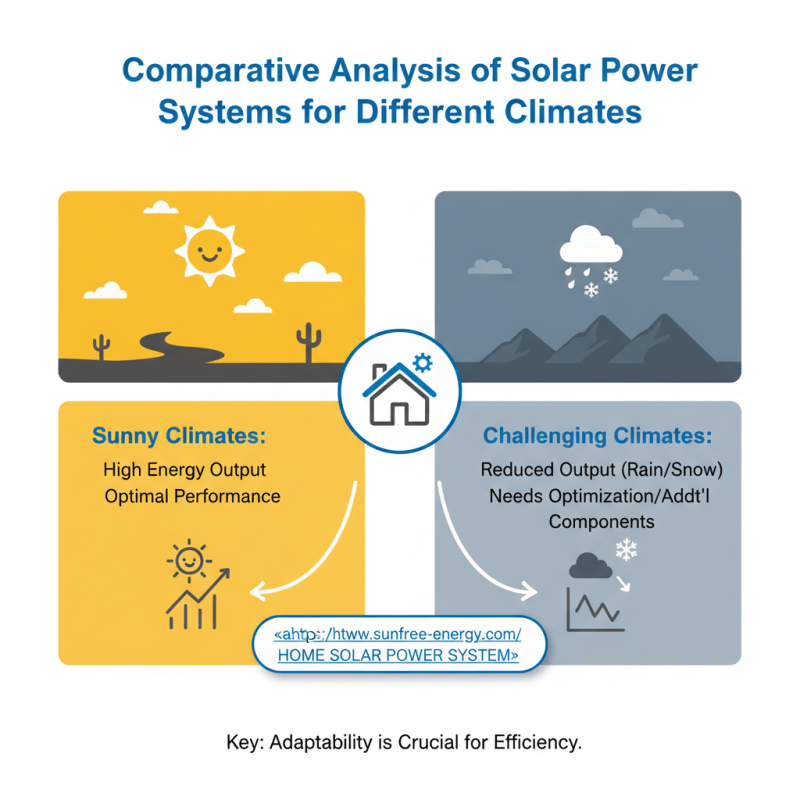
When exploring solar power systems, one must consider how climate affects energy production. In sunny regions, systems thrive, maximizing energy output. However, areas with frequent rain or snow present challenges. Optimizing for specific weather patterns is crucial. A robust Home Solar Power System can still function well in these situations, but may need additional components.
Temperature variations also impact efficiency. For example, hotter climates can hinder performance if panels overheat. On the flip side, colder conditions can increase output, despite the lower sunlight levels. This duality requires a thoughtful approach when selecting the right system. Not every configuration suits every environment, necessitating careful analysis and tailored solutions.
Furthermore, maintenance plays a vital role in performance longevity. Dust or snow can significantly reduce energy capture, especially in arid regions. Lack of proper upkeep leads to decreased efficiency over time. Buyers should weigh the balance between upfront costs and long-term maintenance needs when investing in a Home Solar Power System. Engaging with local experts can provide valuable insights into optimizing systems for diverse climates.
Emerging Trends in Solar Power Technology and Future Opportunities
Emerging trends in solar power technology highlight a shift towards more efficient and sustainable solutions. According to the International Energy Agency (IEA), global solar energy capacity reached 880 gigawatts in 2020. This number is expected to surpass 3,000 gigawatts by 2030. This rapid growth opens doors to innovation in photovoltaic cells and energy storage systems. Enhanced solar technologies boost efficiency, making Solar Power Stations more viable.
Current advancements include bifacial solar panels that capture sunlight from both sides. Studies show these panels can increase energy production by up to 30%. Another trend is the integration of artificial intelligence (AI) for energy management. AI systems can optimize energy distribution, ensuring maximum yield from solar power stations. However, the transition to smarter technologies can come with challenges. There are still inconsistencies in energy output during cloudy days or in areas with limited sunlight.
The rise of hybrid systems, combining solar with wind or battery storage, is another significant trend. These solutions address the intermittency of solar power. According to a report by Bloomberg New Energy Finance, hybrid solar projects could reduce costs by 15-20% in comparison to standalone systems. Despite these advancements, investments in infrastructure and technology still require careful planning and execution to be truly effective. Overall, the ongoing changes in solar power technology promise exciting opportunities for future developments.
Top 10 Solar Power Solutions for Global Buyers
| Solution Type | Efficiency (%) | Cost per Watt ($) | Lifespan (Years) | Market Share (%) | Emerging Trend |
| Monocrystalline | 20-24 | 0.50 | 25 | 40 | High Efficiency |
| Polycrystalline | 15-20 | 0.40 | 25 | 30 | Cost-Effectiveness |
| Thin Film | 10-12 | 0.30 | 15 | 10 | Flexibility |
| Bifacial | 20-25 | 0.55 | 30 | 25 | Dual-Sided Energy Production |
| Building-Integrated PV | 15-20 | 0.75 | 25 | 5 | Aesthetics and Functionality |
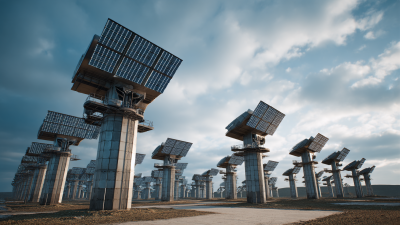
| Concentrated Solar Power | 15-25 | 1.00 | 20 | 8 | Large Scale Energy Generation |
| Solar Skins | 15-20 | 0.70 | 25 | 7 | Personalization and Customization |
| Solar Paint | N/A | N/A | 5 | 1 | Innovative Coating Technology |
| Solar Thermal | 60-80 | 0.40 | 20 | 15 | Heating Applications |
| Solar Tracker Systems | 20-30 | 0.80 | 10 | 5 | Enhanced Energy Capture |
Enhancing Urban Green Spaces: The Impact of Vertical Solar Tube Garden Lights on Park Aesthetics and Sustainability
Urban green spaces play a crucial role in enhancing the quality of city life, providing not only aesthetic appeal but also environmental benefits. The integration of vertical solar tube garden lights in these spaces represents an innovative approach to improving both aesthetics and sustainability. With their sleek design and minimal footprint, these lights can easily blend into various park settings, ensuring that the natural beauty of the surroundings remains the focal point.
One of the standout advantages of vertical solar tubes is their ability to receive sunlight from 360 degrees. This feature is essential for maximizing energy generation throughout the day, making these lights incredibly efficient. By harnessing solar energy, parks can reduce their reliance on conventional electricity sources, contributing to overall sustainability. The illumination provided by these solar lights enhances the visibility of pathways and plant life, encouraging people to engage with their surroundings during both day and night.
Moreover, the implementation of such eco-friendly lighting solutions can elevate the aesthetic charm of urban parks, creating inviting atmospheres that attract visitors. By illuminating gardens and pathways with soft, warm light, these tubes can transform ordinary green spaces into vibrant community hubs. As cities strive to become more sustainable, integrating vertical solar tube garden lights could be a step towards a greener, more appealing urban environment.
FAQS
: Solar efficiency measures how effectively panels convert sunlight into electricity. Higher efficiency means greater energy output.
The initial investment can be high, but long-term savings on energy bills often offset the cost.
Homeowners may save around $30,000 over 20 years with solar energy according to some studies.
Proper installation by skilled technicians is crucial for optimal performance and minimal maintenance costs.
Yes, local laws and incentives greatly impact financial decisions and system performance.
Innovations include bifacial solar panels and AI for energy management, increasing efficiency and energy distribution.
A hybrid system combines solar with wind or battery storage to address energy intermittency.
Inconsistent output during cloudy days or in low-sunlight areas remains a challenge for solar systems.
Bifacial panels can boost energy production by up to 30% by capturing sunlight from both sides.
Careful planning and execution are essential to ensure that investments truly enhance performance and savings.
Conclusion
The article titled "Top 10 Solar Power Solutions for Global Buyers" provides a comprehensive overview of the significance of solar power in today’s energy landscape. It highlights essential factors that buyers should consider when selecting solar solutions, including efficiency, durability, and cost-effectiveness. The list of the top 10 solar panel options caters to both commercial and residential needs, showcasing the versatility of solar power applications.
Additionally, the article delves into innovative solar inverter technologies that enhance energy efficiency and discusses energy storage solutions that maximize the utilization of solar power. A comparative analysis of solar power systems across various climates illustrates how environmental factors affect performance. Finally, it addresses emerging trends in solar power technology, providing insights into future opportunities for harnessing this renewable energy source.