As cities across China keep pushing for sustainability, people are really looking into some pretty innovative solutions. One big step forward is the use of solar street lamps. These lamps are a game-changer—they help boost urban infrastructure, all while cutting down on carbon emissions. Basically, they run on Solar Power, so cities don’t have to worry about hiking up their electricity bills.
There are quite a few companies leading the charge here, like Solux and SolarOne. They've developed some pretty cool tech and designs that fit different city needs. But, let’s be honest, it’s not all smooth sailing. A lot of cities struggle to get these projects off the ground, mainly because of tight budgets or tricky regulations.
And even though solar Street Lamps sound amazing—super efficient and eco-friendly—they aren’t perfect. Things like battery life and maintenance can become tricky and might slow things down. So, when cities are considering making the switch, they gotta weigh the pros and cons carefully. It’s all about finding that sweet spot between innovative ideas and real-world practicality if we really want a greener future.

Overview of Solar Street Lamps and Their Importance for Sustainability
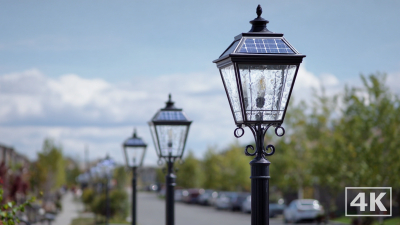
Solar street lamps play a crucial role in promoting sustainable urban environments in China. These innovations use solar energy to illuminate public spaces, significantly reducing the reliance on fossil fuels. By harnessing sunlight, cities can cut down on electricity costs and lessen their carbon footprint. This shift supports the global goal of reducing greenhouse gas emissions and combating climate change.
A brief tip: consider the installation angle of solar panels. Proper orientation maximizes sunlight exposure, enhancing energy efficiency. A well-placed lamp can provide more light and maintain longer operational hours. Beyond just utility, solar lamps also enhance safety in urban areas, helping to deter crime and improve visibility during nighttime.
While solar technology advances, some challenges remain. Maintenance of these lamps is essential for longevity. Regular cleaning of panels prevents dirt accumulation, which can hinder performance. Moreover, addressing battery life and replacement is critical for sustained function. Evaluating these aspects can lead to better performance in the long run.
Investing in solar street lamps reflects a city's commitment to sustainability. The benefits extend beyond energy savings; they foster a community spirit and encourage residents to adopt eco-friendly practices. Public awareness about renewable energy sources also grows as more solar lamps light up the streets.
Key Features of Top Solar Street Lamps for Urban Environments
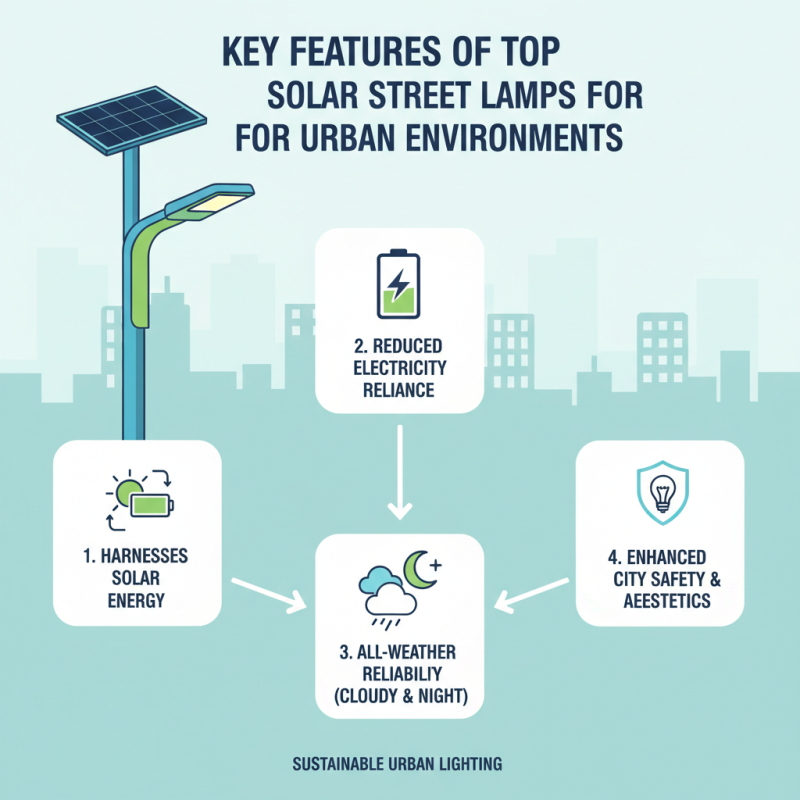
In urban environments, solar street lamps offer a sustainable solution for lighting. These lamps harness solar energy, reducing the reliance on traditional electricity. They function effectively even in cloudy conditions. Advanced solar panels and high-capacity batteries ensure continuous operation throughout the night. This reliability is vital for city safety and aesthetics.
Durability is another key feature. Many solar street lamps can withstand harsh weather conditions. Elements like heavy rain, wind, and snow do not compromise their functionality. The materials used are often corrosion-resistant, prolonging their lifespan.
Moreover, installation is usually straightforward, minimizing disruption to the urban landscape. Wireless designs eliminate the need for extensive wiring. This allows for more flexible placement, enhancing city planning. However, one must consider the initial costs versus long-term savings. The transition to solar technology can be a challenging adjustment for some cities. Not every location has access to sufficient sunlight. This is an important factor to weigh for effective urban implementation.
Leading Brands and Models of Solar Street Lamps in China
As cities in China strive for sustainability, solar street lamps emerge as a vital solution. These lamps harness solar energy, reducing dependence on conventional power sources. They contribute to lower carbon emissions and enhance energy efficiency. An evaluation of leading brands reveals a range of models that vary significantly in design, functionality, and performance. Some models feature motion sensors, allowing for energy conservation by dimming light when no one is around.
Safety and reliability are crucial when choosing solar street lamps. Many models come with CE Certification, ensuring safety standards are met. This certification boosts consumer confidence, confirming the lamps perform well under various weather conditions. However, some consumers have reported issues with battery longevity in specific weather climates. Reflection on these experiences can lead to improved product designs in the future, ultimately benefiting urban sustainability initiatives.
In urban areas with heavy pollution, effective lighting is essential. Advanced options include models with enhanced lumens to improve visibility. Still, balancing brightness with energy consumption remains a challenge. The goal is to illuminate streets while minimizing environmental impact. By considering factors such as efficiency and durability, cities can select the best solar street lamps. This decision shapes the future of urban landscapes in China.
Benefits of Using Solar Street Lamps in Sustainable City Planning
Solar street lamps are transforming urban environments in China. With cities striving for sustainability, these lamps offer numerous benefits. They harness solar energy, reducing reliance on non-renewable sources. According to a report by the International Renewable Energy Agency, solar energy can significantly decrease energy costs by up to 60%. This can lead to substantial savings for local governments.
Additionally, solar street lamps contribute to reducing carbon emissions. A study from the International Energy Agency estimates that switching to solar lights can cut CO2 emissions by approximately 1.3 million tons annually. This positive impact on the environment aligns perfectly with the sustainability goals of modern cities. However, there are challenges. Initial installation costs can be high, and inconsistent sunlight can affect energy generation. Cities must carefully evaluate their needs.
The ease of installation is also noteworthy. Many solar street lamps are standalone units, requiring no wiring or external power sources. This feature speeds up deployment in remote or developing areas. Despite these advantages, ongoing maintenance can be overlooked. Cities should establish regular checks to ensure optimal performance and longevity. Balancing these factors is essential for maximizing the benefits of solar street lighting in urban planning.
Challenges and Solutions for Implementing Solar Street Lighting
The implementation of solar street lighting in China poses several challenges. A recent report indicates that over 70% of urban planners face difficulties in integrating solar technology due to high initial costs and social acceptance issues. Many cities have limited budgets for infrastructure upgrades, which complicates investment in solar street lamps. Moreover, public awareness of solar technology is often low, leading to resistance among local communities to adopt these new systems.
Another significant challenge is the reliability of solar components in diverse climate conditions. Reports show that some regions experience extended periods of cloudy weather. This affects the performance of solar street lamps significantly. Additionally, the quality of solar products varies widely due to inconsistent standards in the market. This inconsistency raises concerns among city officials and Solar Street Lamps Manufacturers, who aim to provide durable and efficient lighting solutions.
Solutions do exist to address these challenges. Continuous education efforts can help raise public awareness. Demonstration projects can illustrate the benefits of solar street lights. Furthermore, partnerships between governmental bodies and Solar Street Lamps Manufacturers can enhance research and development. By focusing on quality and durability, cities can assure citizens that solar street lighting is a reliable choice for sustainable urban development.
Analysis of Solar Street Lighting Implementation in China
This chart illustrates the challenges and solutions faced in the implementation of solar street lighting across various cities in China. The data represents the percentage of cities experiencing specific challenges and the effectiveness of implemented solutions.
Case Studies: Successful Solar Street Lighting Projects in Chinese Cities
In recent years, Chinese cities have made significant strides in utilizing solar Street Lamps for sustainable urban development. One notable case is the city of Shenzhen, which installed over 100,000 solar street lamps by 2022, enhancing urban lighting while significantly reducing energy consumption. Reports indicate that solar-powered street lighting can cut carbon emissions by an impressive 50% compared to traditional lamps.
Another example is Beijing, where various districts have implemented solar lighting in parks and main roads. Authorities reported a 30% decrease in electricity costs due to these installations. Such projects showcase the cities’ commitment to environmental sustainability. However, challenges remain, including maintenance and the need for better integration with existing infrastructure.
Tips: When installing solar street lamps, consider the local climate. Areas with prolonged rain may require additional maintenance plans. Moreover, selecting robust materials can extend the lifespan of these lamps.
Regular assessments of energy output are essential. City officials should monitor solar efficiency to ensure optimal performance. As projects grow, collaboration among city planners, engineers, and environmental experts can drive innovation. Balancing sustainability and practicality is key to successful implementation.
Top Solar Street Lamps for Sustainable Cities in China
| City | Installation Year | Number of Lights | Energy Savings (%) | CO2 Reduction (tons/year) |
| Beijing | 2021 | 500 | 30 | 75 |
| Shanghai | 2020 | 800 | 25 | 100 |
| Guangzhou | 2019 | 600 | 20 | 85 |
| Chengdu | 2018 | 300 | 40 | 55 |
| Shenzhen | 2022 | 1000 | 35 | 150 |
Future Trends in Solar Street Lamp Technology and Urban Development
The future of urban development in China increasingly relies on solar street lamps. These lamps use renewable energy to enhance sustainability. According to a recent report by the International Energy Agency, solar street lighting can reduce energy costs by up to 80%. This statistic highlights the potential economic benefits for cities.
However, challenges remain in technology implementation. Many municipalities are grappling with the initial costs of installation and maintenance. While the average lifespan of solar street lamps is around 10 to 15 years, their efficiency can decline if not properly monitored. Regular maintenance and appropriate technology choice are crucial for optimal performance. Urban planners must consider these factors to ensure effective use of solar energy.
Moreover, the integration of smart technology with solar street lamps is a trend worth noting. These lamps can be equipped with sensors for monitoring traffic and improving public safety. The combination of solar power and smart features creates a versatile lighting solution, contributing to safer street environments at night. As cities strive for sustainability, the role of solar street lamps will likely expand. However, ongoing assessments and adaptations are essential to address the imperfections in current systems.
FAQS
: Solar street lamps reduce reliance on traditional electricity. They harness solar energy, which is sustainable and cost-effective.
These lamps function effectively even in cloudy weather. Advanced solar panels help maintain performance during less sunny days.
Many solar street lamps can withstand harsh weather. Corrosion-resistant materials prolong their lifespan in extreme conditions.
Installation is usually straightforward. Wireless designs minimize disruption to the urban landscape during setup.
Cities must weigh initial costs against long-term savings. Sunlight availability in the area is also crucial for effectiveness.
Smart features like sensors can improve safety and monitor traffic. This integration creates more versatile and effective lighting solutions.
Some consumers report battery longevity issues in certain climates. Reflecting on these experiences could lead to better designs.
Regular maintenance and careful technology selection are vital. This helps maintain efficiency over the lamp's lifespan.
They can reduce energy costs by up to 80%. This can significantly benefit urban budgets and sustainability efforts.
Cities must illuminate streets effectively while minimizing environmental impact. Finding this balance remains a complex challenge.
Conclusion
Solar street lamps have emerged as a vital component of sustainable urban development in China, contributing to energy efficiency and reduced carbon footprints. These innovative lighting solutions harness solar energy, making them an eco-friendly alternative to traditional street lighting. Key features of top solar street lamps include durability, energy storage capabilities, and smart technology integration for enhanced functionality in urban environments.
The benefits of using solar street lamps extend beyond mere illumination; they support sustainability goals by minimizing electricity costs and lowering greenhouse gas emissions. However, challenges such as initial installation costs and maintenance require thoughtful strategies and solutions. Successful case studies from various Chinese cities demonstrate the positive impact of solar street lighting on urban planning. As technology continues to advance, the future of solar street lamps looks promising, driving further improvements in urban development and environmental sustainability.