You know, as the world really starts shifting towards cleaner energy options, the buzz around high-quality Solar Panels is getting louder every day. A recent report from the International Energy Agency even suggests that by 2025, we might see global solar PV installations soaring to almost 1,200 GW! That really highlights how urgent it is for us to come up with smart sourcing strategies to keep up with this growing demand.
Leading the charge in this exciting change is SUNFREE Lighting Technology Co., Ltd. They’re a top player in the new energy scene, and they're all about pushing the envelope with innovative solar solutions through their awesome design and manufacturing capabilities.
In this blog, we’re gonna dive into some of the best strategies for sourcing top-notch solar panels from around the globe. We’ll also take a look at the cool tech advancements on the horizon for 2025, and chat about the various benefits of different types of panels. Our goal here? To help everyone involved make well-informed choices as they chase after sustainable energy solutions.
Key Metrics to Evaluate Solar Panel Efficiency and Performance
When you're looking to snag the best solar panels out there, it’s super important to pay attention to some key metricsthat can really give you a handle on their efficiency and performance. So, the National Renewable Energy Laboratory (NREL) tells us that, on average, commercially available solar panels have an efficiency of about15-20%. But hey, if you want to make a smart investment, aim for panels that boast efficiency ratings over 20%—trust me, they’ll have a higher energy output and could save you a ton in the long run.
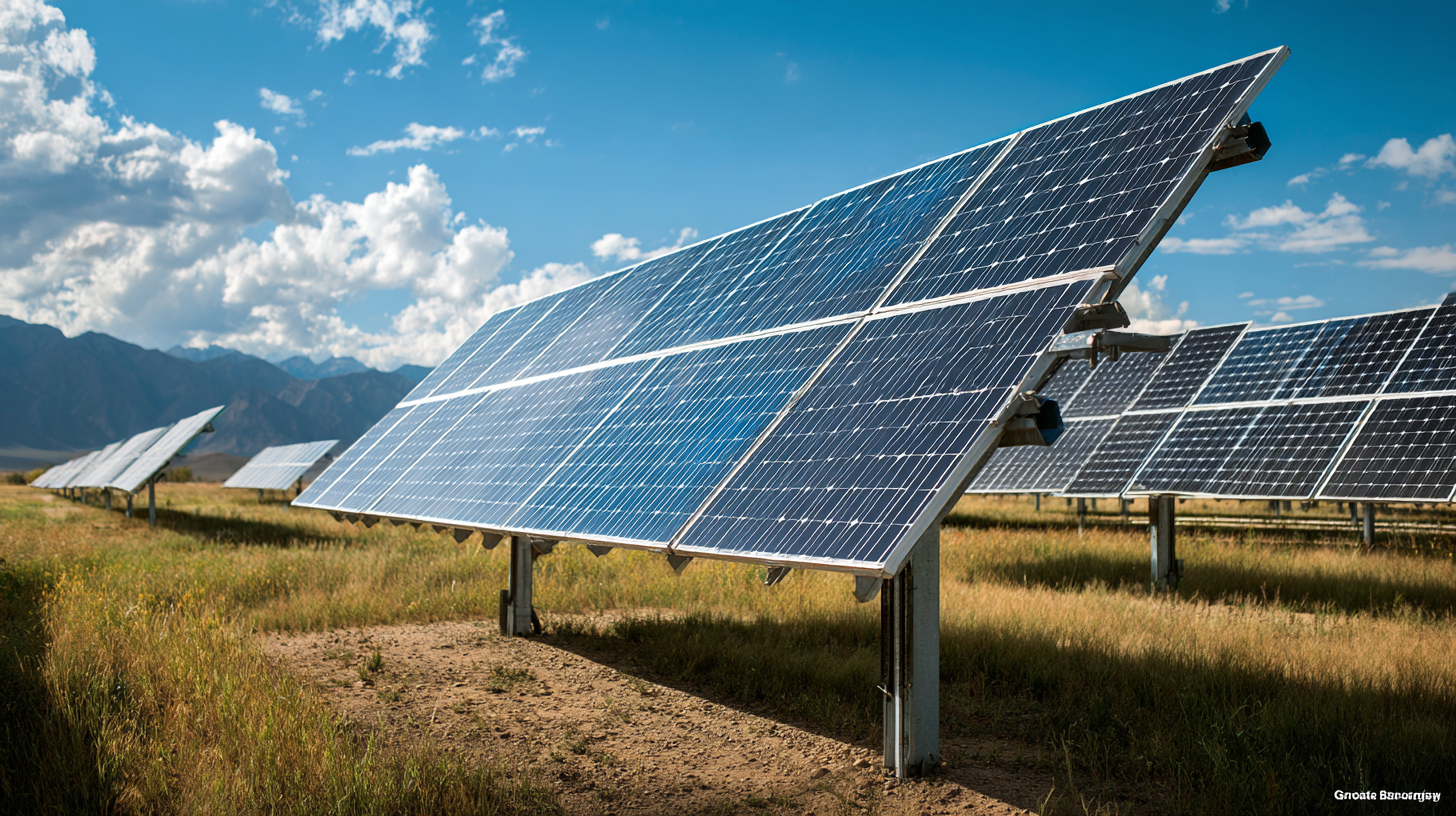
Now, another biggie to think about is the performance ratio (PR). This cool metric basically measures how the output of a solar panel stacks up against its expected performance under standard conditions. If you’re looking at panels with a PR of 80% or higher, that’s usually a sign you're dealing with high-quality stuff—they really do well in real-world situations. Plus, keep an eye on the temperature coefficient; it tells you how much the panel’s efficiency dips when things heat up. A lower temperature coefficient is better for hot climates, and that can really make a difference in how much energy you're producing.
A few tips: Always ask for data sheets from the manufacturers that lay out all those efficiency metrics and test results. It’s also a good idea to check in with third-party testing organizations like PVsyst or IEC standards to back up any claims they make. And don’t forget about how long those panels are built to last—having a warranty of 25 years or more can be a real sign that a product is solid and will perform well over time.
Top Global Regions for High-Quality Solar Panel Manufacturing
So, when you're looking to buy high-quality solar panels, it's really important to know where the manufacturing hotspots are. It can make a big difference in both the quality you get and how much you end up spending. Countries like China, Germany, and the United States really stand out in this field, each offering their own perks. 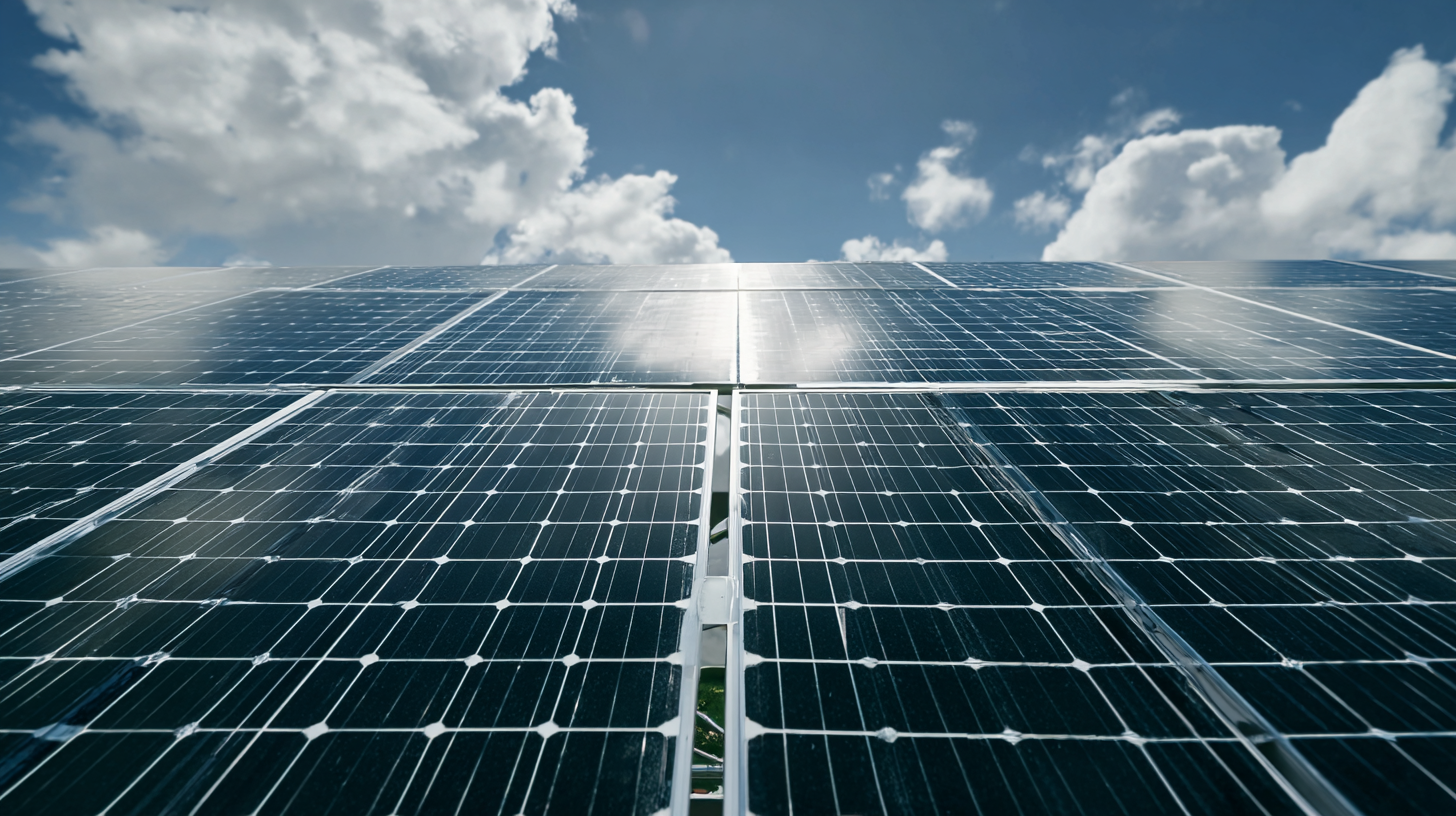 Take China, for example—it's pretty much at the top of the game, thanks to its massive production scale, lower labor costs, and continuous tech advancements in solar energy. They’ve got a ton of the biggest manufacturers pumping out panels that are not only efficient but also super reliable.
Then there's Germany, which shines with its commitment to engineering and cutting-edge technologies. They’re known for crafting high-efficiency solar panels, and their manufacturers really focus on quality and durability. If you're after something that’s going to last a long time, you can’t go wrong there.
And don’t forget about the U.S.! It's becoming a significant player in the solar scene, especially with this push for more domestic manufacturing. American manufacturers are stepping up with a focus on quality and competitive pricing, plus they’re getting some nice government incentivesto help boost the local solar industry. It’s an exciting time to be involved in Solar Power!
Essential Certifications and Standards for Sourcing Solar Panels
When sourcing solar panels globally, understanding essential certifications and standards is crucial for ensuring quality and reliability. One of the key certifications to look out for is the International Electrotechnical Commission (IEC) certification. This widely recognized standard ensures that solar panels meet stringent quality and safety requirements, effectively minimizing risks associated with module failure in various environmental conditions. Additionally, the UL certification, particularly common in the United States, validates the safety and performance of solar modules, proving that they can withstand the demands of real-world applications.
Another critical aspect is the adherence to local or regional standards, which may vary across different countries. For instance, sourcing panels compliant with the European Union’s CE marking assures that they meet community health, safety, and environmental protection requirements. By prioritizing these certifications, buyers can confidently select solar panels that not only perform efficiently but also align with legal and environmental standards. This approach not only enhances the credibility of the sourcing process but also fosters long-term partnerships with reputable manufacturers globally.
Cost-Benefit Analysis: Investing in Quality vs. Budget Solar Panels
Thinking about investing in solar panels? A cost-benefit analysis really helps you figure out whether to go for quality options or stick to a budget. You know, those high-quality solar panels might cost a bit more upfront, but they usually mean better efficiency, longer lifespans, and solid warranties. Over time, this can really make a difference in how much energy you produce and how much you spend on maintenance. So, while you might be shelling out more money at first for the premium stuff, you're likely to see bigger savings later on, especially on energy bills and replacement costs.
Now, I get it—those budget solar panels can look pretty appealing because of their lower initial prices. They might sound like a good shortcut to hitting your solar energy targets, but here's the catch: they tend to offer less efficiency and don’t last as long. Whether you're a homeowner or running a business, it’s super important to consider the pros and cons carefully. If you go with the cheaper option, you might end up paying more in the end because you'll need to replace them often, and they might not produce as much energy. That kinda defeats the purpose of saving money, right? So, in the end, focusing on quality could really pay off and lead to a more reliable and efficient energy solution that benefits you in the future.
Cost-Benefit Analysis of Quality vs. Budget Solar Panels
Emerging Technologies in Solar Panels and Their Future Impact
You know, the new tech popping up in the solar panel world is really changing the game for renewable energy! It's like we’re getting all these fresh ideas to tackle the challenges that have stuck around for, like, ages. Take floating solar panels, for example—they’re really starting to take off! They’re not just cool because they float; they also save a ton of space on lakes and reservoirs, and guess what? They even help cut down on evaporation, which is a win-win for sustainable energy.
If you’re thinking about investing in solar panels, keep an eye on where the technology is headed. It’s super important to look beyond just energy efficiency—durability is key. With crazy weather becoming the norm these days, you definitely want panels that can handle the heat (or cold). Plus, the new advanced photovoltaic tech is a game changer, as it uses less land while still performing like a champ, so we can tackle those environmental issues while meeting our energy needs.
**Here are some tips for finding the right solar panels:** Look for suppliers who are all about those innovative materials—like perovskites, which are getting some serious buzz for their impressive efficiency in no time flat. Also, check into how companies deal with their panels once they’re done; that way, you can make sure your solar investment isn’t leaving a negative mark on the environment. And don’t forget, investing in energy storage solutions that work alongside your solar panels can really boost efficiency and reliability in the long run!
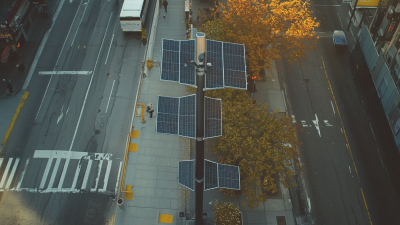
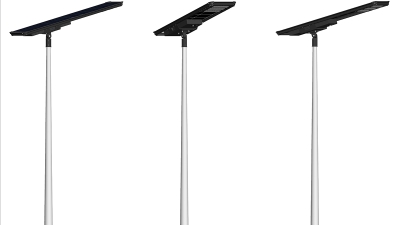
Harnessing the Sun: How Bifacial Integrated Solar Street Lights Revolutionize Energy Efficiency and Urban Lighting Solutions
Bifacial integrated solar street lights are ushering in a new era of energy efficiency and urban lighting solutions. By harnessing sunlight from both sides of the solar panel, these innovative lights maximize energy capture, effectively converting even diffuse sunlight into electrical power. This remarkable capability not only enhances their efficiency but also extends the operational time, ensuring brighter and more reliable lighting for streets and public spaces throughout the day and night.
The smart design of bifacial solar street lights allows them to blend seamlessly into various urban landscapes while offering unmatched flexibility for installation. Whether in bustling city centers or remote rural areas, these all-in-one solutions are easy to deploy, requiring minimal maintenance. Their sustainability aspect further adds to their appeal, as they reduce reliance on conventional energy sources and help decrease carbon footprints. In a world increasingly focused on green technologies, bifacial solar street lights represent a forward-thinking choice that benefits both communities and the environment.
FAQS
: The average efficiency of commercially available solar panels is around 15-20%.
Look for solar panels with efficiency ratings above 20%, as they have higher energy output potential.
The performance ratio measures the output of a solar panel relative to its expected performance. A PR of 80% or higher is typically indicative of high-quality panels.
The temperature coefficient indicates how panel efficiency decreases as temperatures rise. A lower temperature coefficient means better performance in hot climates.
Look for International Electrotechnical Commission (IEC) certification and UL certification for safety and performance validation.
Compliance with local standards, such as the European Union’s CE marking, ensures that solar panels meet health, safety, and environmental protection requirements.
Floating solar technology is gaining traction, maximizing space on water bodies and reducing evaporation.
As extreme weather patterns become more common, choosing durable solar panels designed to withstand these conditions is crucial for reliable energy production.
Consider suppliers using innovative materials like perovskites, which have shown significant efficiency improvements.
Integrated energy storage solutions complement solar technology, enhancing overall system efficiency and reliability.