Picking the right Solar Led Light really matters, whether you're after good efficiency or just something that works well. Industry expert Dr. Sarah Thompson from Solar Innovations puts it simply: “Choosing the right solar solution can make a big difference in how much energy you save.” Her words remind us that understanding what you actually need before hitting ‘buy’ is super important.
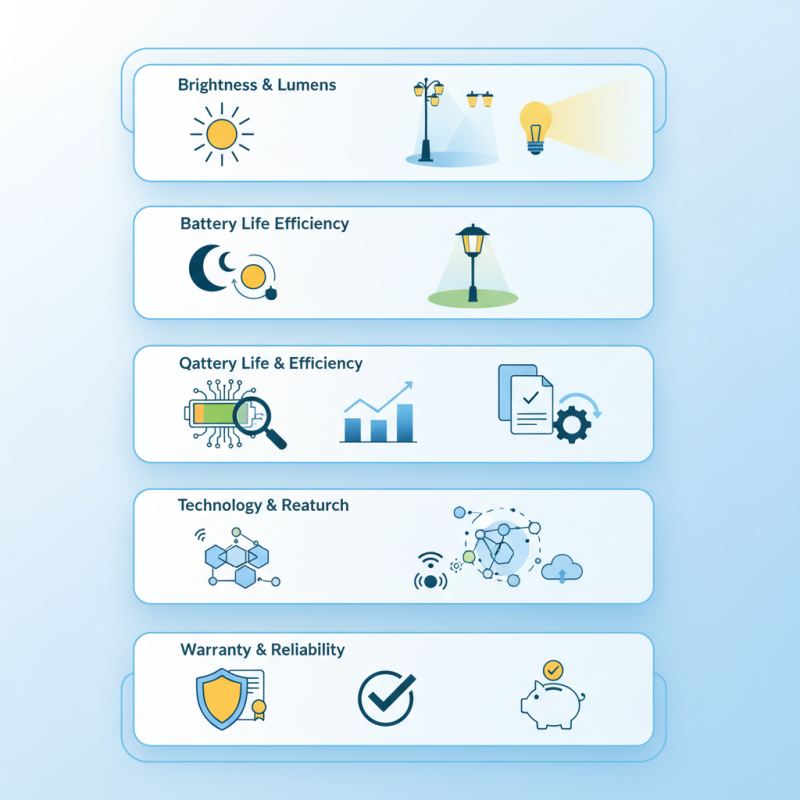
When you're looking into Solar LED Lights, don’t forget to check out how bright they are and how long their batteries last. Depending on where you want to use them, you'll need different levels of illumination – a street light, for instance, might need to be much brighter than a small garden light. The right pick can really boost safety and look good too. Just a heads up — not all products out there are top-notch, so doing some homework beforehand is always a smart move.
Technology in solar lights is changing fast, which can be pretty overwhelming. There are tons of options, each with different features, but performance can vary a lot. And honestly, it’s not always obvious which ones are worth your money and which ones are just okay. One more thing to pay attention to is the warranty. A solid guarantee often shows that the manufacturer truly believes in their product. So, taking your time to choose wisely now can save you a lot of hassle and cash down the road.
Understanding Your Lighting Needs and Preferences
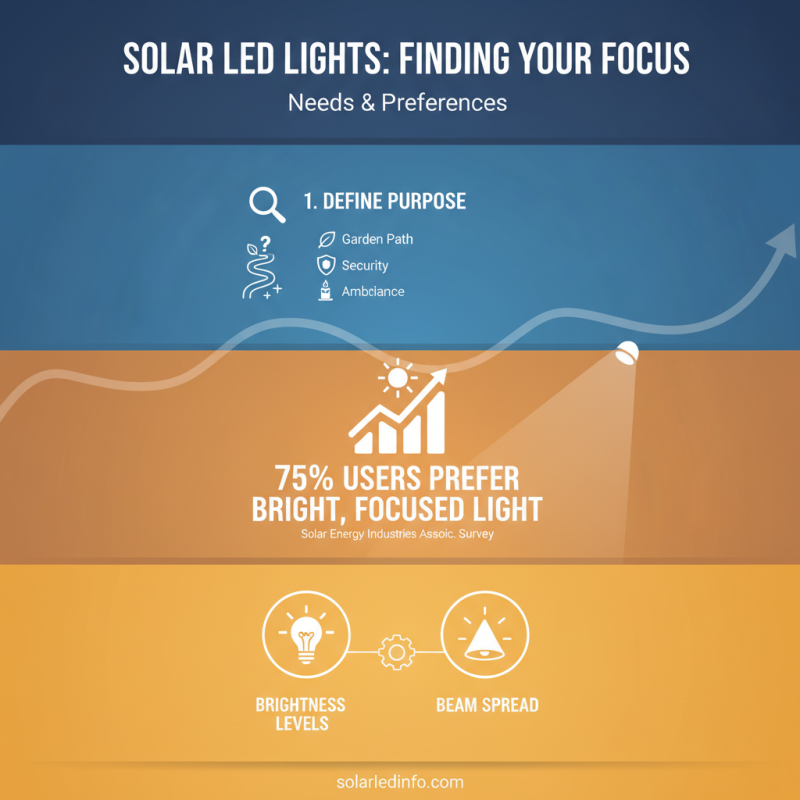
When selecting a solar LED light, understanding your specific lighting needs is crucial. A survey from the Solar Energy Industries Association shows that nearly 75% of users prefer bright, focused lighting for outdoor spaces. This preference underscores the importance of determining the exact purpose of the lighting. Are you illuminating a garden path, enhancing security, or creating ambiance? Each application demands different brightness levels and beam spreads.
Consider also the duration of operation you require. Research indicates that solar lights need at least 6 to 8 hours of sunlight daily to function effectively. Therefore, the location where the lights are installed significantly impacts performance. If you live in a shaded area, daylight exposure will limit efficiency. Users have reported disappointment when their lights fail to charge adequately due to insufficient sunlight. It is essential to assess your environment before making a decision.
Lastly, reflect on your personal style and preferences. Some people favor a modern look, while others lean towards classic designs. These choices greatly affect your satisfaction with the products over time. Aesthetic preferences often define how well the lights blend into your outdoor décor. Choosing lights that align with your vision enhances the overall appeal of your space, making it feel more personalized. Always take time to review different options that suit your needs and desires.
Evaluating the Different Types of Solar LED Lights Available
When choosing solar LED lights, understanding the different types available is essential. There are several options, including path lights, floodlights, and decorative lights. According to a 2022 report by the Solar Energy Industries Association, the market for solar lighting solutions is expected to grow by 15% annually. This growth indicates a rising interest in environmentally friendly lighting solutions.
Path lights are designed to illuminate walkways with subtle lighting. They are ideal for gardens and driveways. Floodlights offer powerful illumination, suitable for security and large areas. Decorative lights enhance aesthetics while providing ambient lighting. Consider the purpose when choosing the type that fits your needs.
Tip: Always check the brightness level measured in lumens. Higher lumens indicate a brighter light.
Another important factor is Battery capacity. The storage capacity affects how long the lights will run after dark. Higher-quality batteries can provide sustained lighting for longer periods.
Tip:Look for lights with a Solar Panel that has a good energy conversion rate. Efficient panels will recharge faster, ensuring you don't compromise on lighting during cloudy days.
Consideration of Brightness and Lumen Output for Your Space
When selecting a solar LED light, brightness and lumen output are crucial factors. Lumen measures the total light output. For outdoor spaces like patios or gardens, a minimum of 800 lumens is recommended. This level ensures adequate illumination without overwhelming the space. In contrast, areas requiring subtle lighting might only need 300-500 lumens.
The importance of brightness often gets overlooked. Many consumers focus solely on price and design. However, inadequate brightness can lead to dark spots, increasing safety risks. According to the International Energy Agency, poor outdoor lighting contributes to higher crime rates and accidents. A well-lit environment can deter criminal activity and provide a sense of comfort.
Professionals advise considering the placement and intended use. For pathways, softer lighting suffices. They emphasize the need for proper brightness levels in key areas. Using CE Certification Led Light Street Light can guarantee compliance with safety standards, ensuring reliability and durability. Ultimately, investing in the right brightness will enhance both functionality and aesthetic appeal.
Selecting the Right Battery Capacity and Storage Options
When selecting a solar LED light, battery capacity and storage options are crucial. A reliable battery ensures the light operates effectively during the night. Look for a battery with a higher capacity, as it enables longer usage time. Larger batteries also require more space, which may not always be available. Assess your space before choosing.
Consider the type of battery. Lithium-ion batteries are popular due to their efficiency and longevity. They offer better performance in various temperatures. However, they can be more expensive. Assess your budget and how often you plan to use the light. Cheaper options may save money upfront but could result in higher replacement costs over time.
Storage options also play a key role. Solar lights need to be placed where they can receive ample sunlight. Yet, not every location will provide optimal sun exposure. You may need to adjust their positioning regularly. Think about how weather conditions can impact performance. Keeping the light clean and ensuring the solar panel is unobstructed are small steps that can lead to better results.
Assessing Durability and Weather Resistance Features
When selecting a solar LED light, durability and weather resistance are crucial. Solar lights face various environmental challenges. They need to withstand rain, snow, and extreme temperatures. Not all products are created equal. Some materials resist harsh weather better than others. For example, aluminum casings tend to perform well against rust. Look for lights with a high IP rating. This indicates how well they can resist dust and moisture.
Consider the lens material, too. Polycarbonate lenses are often more durable than glass. They are less likely to shatter and can handle temperature fluctuations. Look for lights with UV protection as well. This feature helps prevent fading and degradation over time. Some Led Light Street Light Manufacturers emphasize such qualities in their designs. Don't overlook warranty options, either, as they reflect the manufacturer's confidence in their products.
Evaluate user reviews for real-world performance insights. Many reviews highlight how products perform in various climates. Some lights may fail to meet durability claims. Insight from other users can guide your decision. In the end, thorough research is essential. Choosing the right solar LED light means considering durability and weather resistance seriously.
Top 5 Tips for Choosing the Best Solar Led Light for Your Needs - Assessing Durability and Weather Resistance Features
| Feature | Description | Importance | Rating (1-5) |
| Material Quality | Look for corrosion-resistant materials like aluminum or polycarbonate. | High | 5 |
| IP Rating | Check the Ingress Protection (IP) rating for dust and water resistance. | Very High | 5 |
| Battery Type | Select models with durable lithium-ion batteries for better performance. | Medium | 4 |
| Warranty Period | Choose lights that offer a longer warranty, indicating better durability. | High | 5 |
| User Reviews | Research reviews to determine long-term durability and performance. | Very High | 5 |
Examining Installation and Maintenance Requirements
When choosing solar LED lights, installation and maintenance are crucial. It's not just about brightness or design; understanding the requirements is key. A well-researched report by the Solar Energy Industries Association highlights that improper installation can lead to inefficiency, reducing the product's lifespan by up to 30%. It's essential to assess your installation site, as factors like shade from trees can affect performance.
Maintenance is another important aspect. Regular cleaning of solar panels is necessary to ensure optimal sunlight absorption. A survey showed that nearly 40% of users neglect this, leading to a significant drop in illumination. Additionally, consider the rechargeable battery type. Lithium-ion batteries tend to have a longer life than lead-acid ones, making them a more reliable option in High-Quality Led Light Street Light systems.
Ultimately, exploring installation guides and user manuals is vital. Many users assume installations are straightforward, yet complex setups can be daunting. Careful attention to detail during this phase will save frustration later. Keeping up with maintenance and being aware of the unique requirements of your environment will enhance the functionality of your solar LED lights.
Comparing Price Points and Warranty Options for Value
When choosing a solar LED light, it’s crucial to evaluate price points and warranty options. A lower price might attract you, but it often indicates compromised quality. Explore various features and specifications. This helps to ensure that you’re getting a good deal. Some manufacturers cut corners to keep prices low. Look closely at what’s included.
Warranties are significant when purchasing solar lights. A solid warranty reflects the manufacturer’s confidence in their product. Check for comprehensiveness. Some products may offer only limited coverage. This can include parts but not labor. Ideally, you want protection that lasts several years. An extended warranty often signifies durability and reliability from your chosen Led Light Street Light Manufacturer.
Don’t forget to consider the long-term value. Sometimes, a higher upfront cost leads to savings over time. Cheap lights often require replacements sooner. Weigh the immediate costs against potential future expenses. Reflecting on these factors can guide you to a well-informed choice.
Illuminate Your Park: The Benefits and Aesthetic Appeal of Vertical Solar Tube Garden Lights
Vertical solar tube garden lights are an innovative solution that enhances outdoor spaces while providing practical benefits. One of the key advantages of these lights is their lower wind resistance and minimal footprint, which allows them to blend seamlessly into various environments. This aesthetic appeal is particularly valuable for parks, gardens, and other landscaped areas, where traditional lighting options might disrupt the visual harmony. Their streamlined design not only looks modern but also encourages creative placement, ensuring that outdoor areas remain inviting and beautifully illuminated.
Another significant feature of vertical solar tubes is their ability to maximize energy generation through 360° sunlight reception. This capability ensures that the solar panels can capture sunlight from all angles throughout the day, optimizing energy output. This efficient energy capture not only reduces reliance on traditional power sources but also contributes to sustainable practices. As these lights harness renewable energy, they provide an eco-friendly alternative to conventional lighting, making them perfect for those looking to enhance their outdoor areas responsibly while enjoying the benefits of innovative technology.
FAQS
: Common types include path lights, floodlights, and decorative lights. Each serves a unique purpose.
Consider your specific needs and the environment where you'll use the lights.
Lumens measure brightness. Higher lumens mean brighter lights, which can enhance visibility.
A higher capacity battery allows for longer usage time. It’s crucial for effective nighttime operation.
Lithium-ion batteries are efficient and long-lasting. They perform well in various temperatures.
Yes, they need ample sun exposure to recharge effectively. Ensure they are positioned well.
Weather conditions can reduce performance. Regular adjustments and maintenance can help maintain efficiency.
They may save money upfront but could require costly replacements. Assess long-term value carefully.
Yes, keeping panels clean ensures better sunlight absorption. This leads to improved performance.
Frequent relocation can affect their efficiency. Consider stability when deciding on their placement.
Conclusion
When choosing the best Solar LED Light for your needs, it's essential to first understand your specific lighting requirements and preferences. This includes evaluating the different types of Solar LED Lights available, considering their brightness and lumen output in relation to your space, and selecting the appropriate battery capacity along with suitable storage options. Additionally, assessing the durability and weather resistance of these lights ensures they can withstand outdoor conditions.
Another critical aspect involves examining installation and maintenance requirements to ensure ease of use. Finally, comparing price points and warranty options will help you determine the best value for your investment. By following these guidelines, you can confidently select the Solar LED Light that best meets your needs and enhances your outdoor environment effectively.