As the world is moving more and more towards sustainable ways of living, Alternative Energy sources are becoming super important. You know, experts like Dr. Emily Saunders—she’s pretty well-known in renewable energy circles—often stress that, 'The future really hinges on how effectively we can tap into alternative energy.' It’s a reminder of just how crucial it is for us to adopt smarter strategies in this whole industry.
Now, I won’t lie, making the switch to alternative energy isn’t all smooth sailing. Loads of people and even businesses find it tough to get started. A lot of folks overlook just how powerful Solar Panels or wind turbines can be, or they get stuck on the upfront costs, which can seem a bit intimidating at first. But honestly, those initial investments typically pay off in the long run, helping us make the planet a cleaner, greener place.
Getting into alternative energy solutions means we’ve got to be in the know and understand the ins and outs. It's important to learn how to use energy smarter and avoid common mistakes—like thinking certain tech is less efficient than it really is—which can lead to wasted resources. When we listen to experts and get on board with new technologies, we're better positioned to improve our approach. Every little step we take helps us reflect and keep pushing forward in this ever-evolving field, which is pretty exciting when you think about it.

Alternative energy sources play a crucial role in addressing climate change. Three main types are solar, wind, and hydroelectric energy. Each has unique benefits and challenges. Solar panels convert sunlight into electricity, yet installation can be costly and space-intensive. Wind turbines harness wind power, but they require specific locations with consistent winds. Hydroelectric plants produce energy through moving water, but they can disrupt local ecosystems.
Understanding the impact of these energy sources is essential. Solar power reduces dependence on fossil fuels but relies heavily on sunny days. Wind energy offers a clean alternative but can produce noise and visual impacts. Hydroelectric power generates substantial energy but raises concerns about water flow alterations. These factors often lead to difficult decisions regarding energy solutions. Evaluation and adaptation are necessary to utilize alternative energy effectively.
Conducting a comprehensive energy audit is vital for maximizing the use of alternative energy. Start by analyzing your current energy consumption. This involves checking your electricity bills and noting trends over several months. Identify which devices consume the most power. You might find that an old refrigerator is a significant culprit. Addressing these inefficiencies can lead to substantial energy savings.
Next, consider your specific energy needs. Different households and businesses have unique requirements. Some may require more heating, while others need more cooling. This evaluation should include usage patterns throughout the year. Reflection is key here; many overlook seasonal changes. Understanding these fluctuations can inform your decision on which renewable resources to invest in.
Lastly, as you analyze the data, remember to account for potential futility. Not every attempt at alternative energy will be a perfect fit. You might invest time in solar panels, only to find they aren't viable for your location. The process requires adjustment and learning. Embrace the setbacks; they are part of finding the right solutions. Ensure your choices align with the CE Certification Alternative Energy to maintain efficiency and compliance. This approach will guide you toward making informed decisions about your energy future.
Choosing the right alternative energy system for your home or business requires careful thought. Assess your energy needs first. Consider how much power you consume daily. Solar panels or wind turbines might work well. But, their effectiveness depends on your location and climate. An area with lots of sunlight can benefit greatly from solar energy. In contrast, a windy area might be better suited for wind energy.
Researching local regulations is crucial. Some places have specific rules for installing solar panels or wind systems. You may need permits, which can slow your project down. Additionally, think about upfront costs versus long-term savings. Alternative energy systems can be expensive initially. Yet, they often lead to reduced utility bills over time. Consider financing options if upfront costs are challenging.
Don’t overlook maintenance. Some systems require regular check-ups. For example, solar panels need periodic cleaning to maintain efficiency. Neglecting this can reduce their energy production. Finally, remember to remain flexible. What works today might not be the best option in the future, as technologies evolve. Regularly evaluating your energy system can lead to better choices down the line.
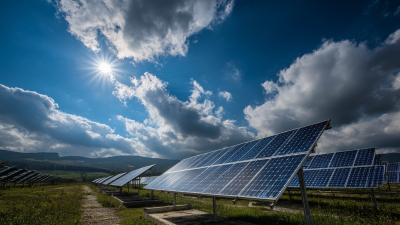
Solar power is a rapidly growing source of alternative energy. It requires thoughtful implementation to maximize efficiency. One practical step is to orient solar panels towards the sun. Proper placement can capture more sunlight. You might think it’s a simple task, but even slight miscalculations can lead to wasted energy.
Another aspect to consider is regular maintenance. Dust and debris can accumulate on panels and greatly reduce their effectiveness. Cleaning them may seem tedious, yet it’s essential for optimal performance. Use a gentle solution to clean without damaging the surface. Always check for any shade from nearby trees or buildings during different times of the day. It’s crucial to ensure that panels receive unobstructed sunlight throughout the day.
Additionally, integrating energy storage systems can enhance the usability of solar power. This allows for energy use during non-sunny periods. However, selecting the right storage system requires careful research. Alternative Energy Manufacturers can provide options, but not all are equally effective. The balance between cost and effectiveness needs to be examined. Small choices can lead to big changes in overall efficiency.
When considering wind energy, site assessment is crucial. This involves evaluating the location for wind resource potential. Key factors include wind speed and direction. Elevated places are often better, capturing stronger winds.
Tip: Conduct a thorough analysis of local wind patterns. Use historical data to inform your decision. Consider seasonal variations too. Strong winds in winter may not help in summer. A poorly chosen site can lead to inadequate energy production.
While assessing a site, don't forget community impact. Wind turbines may affect local wildlife and the landscape. Engaging with local residents can provide insights and alleviate concerns. Tension can arise from noise or visual impacts.
Tip: Always consider alternative energy combinations. A hybrid model, like using Solar Energy Street Light systems in conjunction, can enhance efficiency. Integrating different sources can complement each other, especially during low wind periods. Getting this balance right is essential for effective energy use.
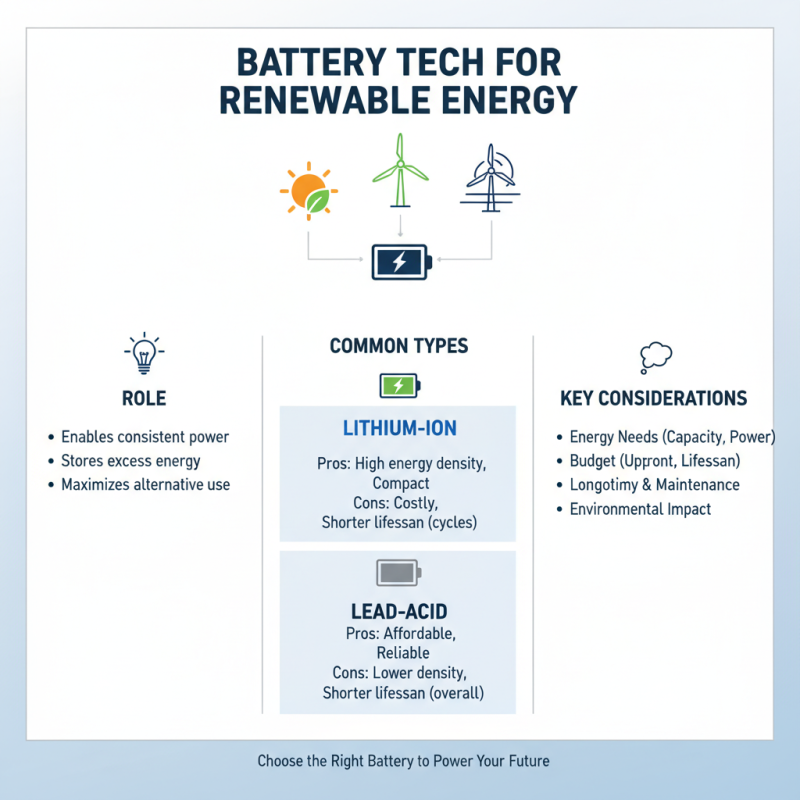
Battery technologies play a crucial role in the effective use of alternative energy. Evaluating these solutions helps in maximizing energy storage. There are many types of batteries. Each has unique benefits and limitations. Lithium-ion batteries are commonly used. They offer high energy density but can be costly. Meanwhile, lead-acid batteries are cheaper but have a shorter lifespan. Understanding your energy needs is key.
For effective energy storage, consider these tips. Choose the right battery size. An oversized battery can lead to inefficiencies. An undersized battery may not meet your needs. Regular maintenance is essential. Check for corrosion and clean terminals frequently. This simple step can extend the battery's life. Additionally, monitor charge cycles. Overcharging can damage batteries over time.
Remember, experimentation is part of the process. There may be setbacks as you transition to alternative energy. Test different technologies to find what works best for you. Your unique situation will guide your decisions, so be prepared to adjust as necessary. Each choice leads to learning opportunities.
Government incentives play a crucial role in the adoption of Renewable Energy . Tax breaks and rebates can significantly reduce installation costs for solar panels and wind turbines. According to a report by the U.S. Department of Energy, more than 30% of the installation costs for residential solar systems can be offset by federal tax credits. This makes renewable energy more accessible for families and individuals.
State incentives also enhance the financial benefits. In many areas, local governments offer additional rebates or grants for renewable energy installations. These incentives are important, especially in states that aim for a 100% renewable energy target by 2050. Some areas, however, have complex application processes that can be daunting. Individuals may find it difficult to navigate the paperwork required for these incentives.
Despite these challenges, the benefits often outweigh the hurdles. Homeowners who utilize tax credits and rebates can see a return on investment within a few years. The International Renewable Energy Agency notes that renewable energy sources are becoming increasingly cost-competitive. This trend is encouraging, but awareness and understanding of available incentives are still lacking for many. Engaging with local initiatives and resources can boost participation rates significantly.
: This product aims to enhance daily productivity. It's designed for efficiency, improving time management.
To use it effectively, follow the provided guidelines. Practice regularly to build familiarity and confidence.
Yes, some users may struggle initially. There's a learning curve that might cause frustration at first.
Absolutely. It's versatile and can be adapted to many settings. However, some adjustments may be needed.
While there's no set time, consistency is key. Aim for short, frequent sessions to see better results over time.
If issues arise, revisit the instructions. Consider reaching out to support for personalized guidance.
Yes, it can be used for teamwork. However, it may require some coordination among users to maximize benefits.
Not necessarily. Beginners can still benefit, but some experience may enhance the overall experience.
Keeping a journal can help. Document your experiences and note areas for improvement along the way.
It may not fit everyone perfectly. It's important to reflect on personal goals and adjust usage accordingly.
The article "Top 10 Tips for Using Alternative Energy Effectively" provides a comprehensive guide on harnessing alternative energy sources to enhance sustainability in homes and businesses. It begins with an exploration of different types of alternative energy, assessing their potential impact on reducing carbon footprints. Conducting an energy audit is emphasized as a crucial first step in identifying specific energy needs.
The article then details how to select the appropriate alternative energy system based on individual requirements, followed by best practices for optimizing solar power use and considerations for incorporating wind energy. Additionally, it discusses evaluating battery technologies for energy storage solutions. Lastly, it highlights the importance of taking advantage of government incentives such as tax breaks and rebates, which can significantly lower installation costs, making the transition to alternative energy more accessible and feasible for many.