You know, as the Renewable Energy scene keeps evolving, there's definitely been a noticeable spike in the demand for more efficient wind turbines. Looking ahead to 2026, we're probably going to see some pretty exciting breakthroughs in how these turbines are designed and built—with a real focus on being more sustainable and eco-friendly. Of course, having reliable suppliers is gonna be more important than ever to keep up with all this demand.
Big players like Siemens Gamesa and GE Renewable Energy are really expected to lead the charge. Their latest designs often highlight the coolest, most advanced tech—like that CE-certified vertical axis wind turbines. These innovations aren’t just bells and whistles—they actually mean better energy output and less harm to the environment. But hey, it’s not all smooth sailing.
Switching over to new tech can be tricky, and companies will need to adjust to shifting market trends and stricter regulations. Plus, having just a few big suppliers could be a bit risky—disruptions could really throw things off. So, it’s super important for everyone involved to stay on top of what's happening and really think through their choices. Getting a good handle on how the wind turbine industry works today is key if we want to stay ahead of the game in the future.
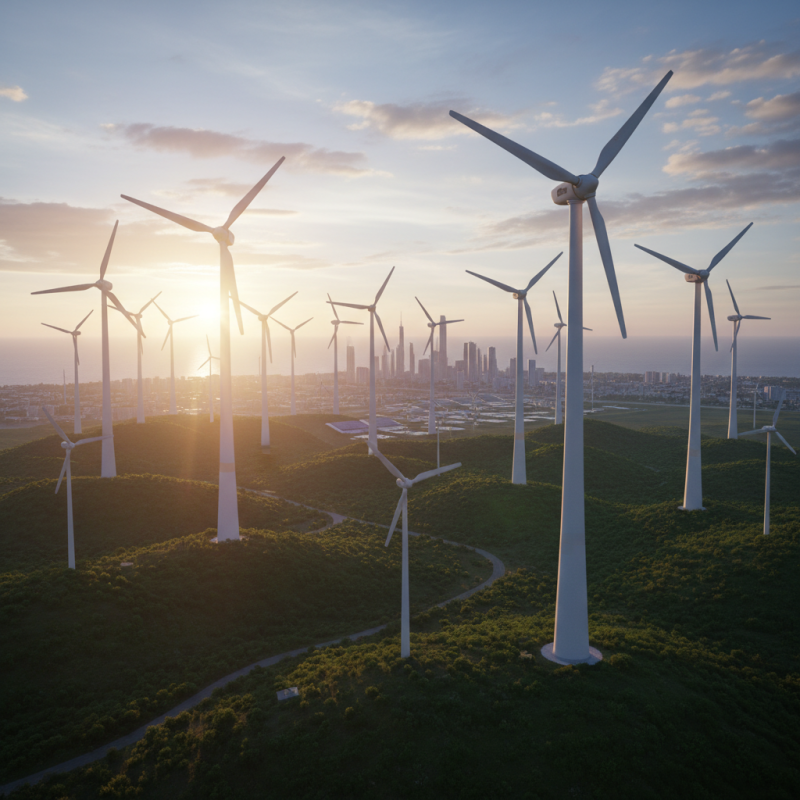
Overview of the Wind Energy Market in 2026
The wind energy market in 2026 is evolving rapidly. Global investments in wind power are expected to surpass $200 billion. This surge reflects a strong commitment to renewable energy. Industry reports predict an annual growth rate of 9% through the decade. Governments are pushing for cleaner grids and more sustainable practices.
One area of focus is the development of Vertical Axis Wind Turbine Design Manufacturers. These companies play a crucial role in enhancing efficiency and reducing costs. Innovations in turbine design are critical. Some experts believe that the integration of advanced materials could increase energy output by 15%. However, challenges remain in storage and grid integration.
The global wind market is not without its issues. There are significant environmental considerations in turbine placement. Some installations have faced opposition due to wildlife impact. The market's growth must balance sustainability with such concerns. Industry leaders recognize the need for responsible practices. As demand grows, accountability becomes essential.
Key Factors Driving Wind Turbine Demand
The demand for wind turbines is on the rise. Several factors are influencing this trend. First, governments are setting ambitious renewable energy targets. They aim to decrease carbon emissions and combat climate change. This pushes utility companies to invest in wind power. As a result, the market for wind turbines is expanding rapidly.
Technological advancements also play a crucial role in this demand. Innovations are increasing turbine efficiency and reducing costs. Larger turbines are now able to generate more power. This adaptability is appealing to both new and existing wind farm projects.
Tip: Consider the lifespan of a turbine when selecting suppliers. Quality impacts long-term performance.
Market fluctuations can be challenging to navigate. The competition among suppliers may lead to pricing instability. It's essential to evaluate the reliability of potential partners. Look for those with a proven track record.
Tip: Always review supplier certifications and past projects to assess credibility. Transparency in operations is a good sign.
Leading Players in the Global Wind Turbine Supply Chain
In the evolving landscape of wind energy, leading players significantly shape the global wind turbine supply chain. According to recent industry reports, the global wind turbine market is projected to reach over $100 billion by 2026. This growth reflects a rising demand for renewable energy, amidst concerns over climate change and energy security.
Key suppliers are continuously innovating to enhance efficiency and reduce costs. Advanced materials and technologies are becoming essential for turbine design. Data from the Global Wind Energy Council shows that top manufacturers are investing heavily in R&D, aiming for turbines with higher capacity and performance. However, the supply chain faces challenges, such as raw material shortages and geopolitical tensions.
While there are impressive advancements, concerns remain. Some regions lack infrastructure to support large-scale turbine installations. Additionally, fluctuations in government policies can impede growth. Supply chain resilience will be critical in addressing these hurdles. Industry players must navigate these complexities to maintain competitiveness in this dynamic market.
Top Wind Turbine Suppliers for 2026
| Supplier | Market Share (%) | Headquarters | Number of Employees | 2026 Projected Revenue (Million USD) |
| Company A | 20 | Country X | 5,000 | 1,200 |
| Company B | 18 | Country Y | 4,500 | 1,000 |
| Company C | 15 | Country Z | 3,000 | 800 |
| Company D | 12 | Country W | 2,500 | 600 |
| Company E | 10 | Country V | 1,200 | 300 |
Innovations in Wind Turbine Technology for 2026
Innovative wind turbine technology is shaping the future of energy. As we approach 2026, several key advancements stand out. Enhanced materials are being developed, leading to lighter and stronger turbine blades. This results in improved efficiency and energy capture. The integration of smart sensors allows for real-time monitoring, increasing reliability and maintenance efficiency.
There is a growing focus on Vertical Axis Wind Turbine Design Manufacturer solutions. These turbines offer unique advantages, such as lower noise levels and adaptability to changing wind directions. They can be deployed in urban settings where traditional turbines may not fit. Their design could play a vital role in sustainable energy solutions.
However, challenges remain. Energy output can fluctuate, which raises questions about consistency. Additionally, the environmental impact of turbine manufacturing can be significant. As innovations continue, addressing these issues will be crucial. Balancing technological advancement and environmental stewardship is necessary for a sustainable future.
Top Wind Turbine Technology Innovations for 2026
Regional Analysis of Wind Turbine Suppliers
The global wind turbine market is evolving rapidly. A significant aspect is the regional analysis of suppliers. Different regions exhibit distinct trends and technologies. North America leads in installed capacity, driven by favorable policies and technological advancements. A report by the Global Wind Energy Council highlights that the U.S. accounted for over 25% of the global wind generation capacity in 2022.
In Europe, offshore wind farms are gaining momentum. Countries like Germany and the UK invest heavily in this arena. The European Wind Energy Association reports that Europe generated around 17% of its electricity from wind in 2022. This is a testament to the increasing reliance on sustainable energy. However, not all regions have embraced wind energy equally. Some areas struggle with infrastructure and investment, leading to uneven growth.
Asia-Pacific shows a different picture. Countries like China dominate in manufacturing capacities. However, challenges persist, such as regulatory hurdles and supply chain issues. A focused approach on High-Quality Vertical Axis Wind Turbine Design could provide innovative solutions. Addressing these challenges is crucial for accelerating global adoption. Each region must evaluate its unique landscape to foster sustainable energy effectively.
Challenges Facing Wind Turbine Manufacturers
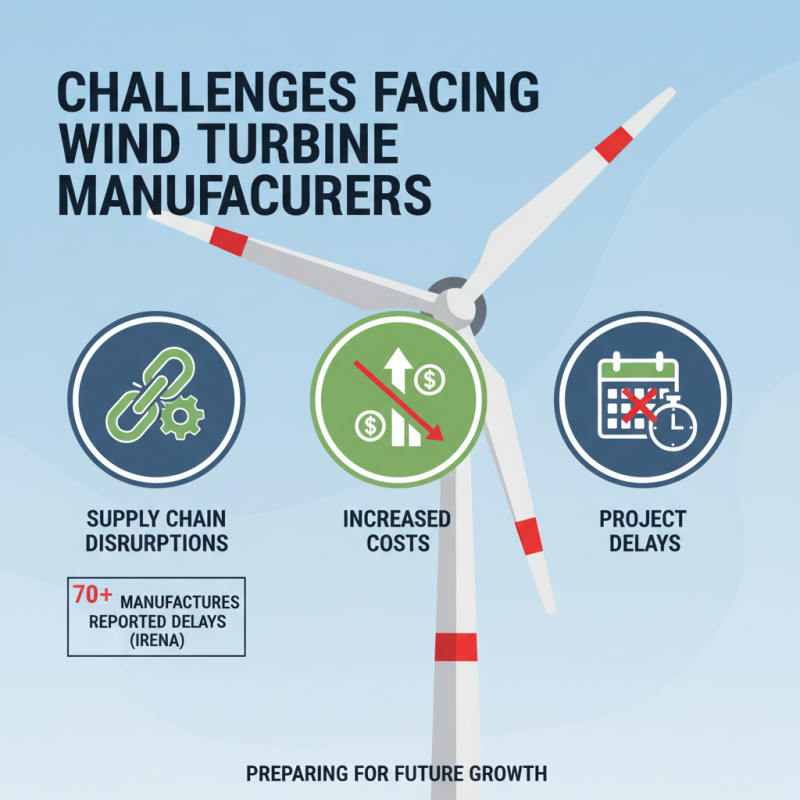
The wind turbine industry faces multiple challenges as it prepares for future growth. Supply chain disruptions have been a significant issue. According to a recent report from the International Renewable Energy Agency (IRENA), over 70% of manufacturers reported delays in component deliveries. This has not only increased costs but also hampered project timelines.
Labor shortages pose another hurdle. The Renewable Energy Association highlights a projected shortfall of 200,000 skilled workers in the next five years. As the demand for wind energy grows, the industry must urgently address this talent gap. Failing to do so could limit operational efficiency and innovation.
Furthermore, fluctuating material costs create uncertainty. The price of steel and rare earth metals has seen volatility in recent years. A 2023 analysis by Wood Mackenzie shows that material costs can account for up to 40% of total project expenses. This makes financial forecasting challenging for manufacturers. The industry must adapt to these pressures by exploring alternative materials and enhancing recycling practices. Adapting is crucial for long-term sustainability.
Future Trends in Wind Energy and Supplier Dynamics
The wind energy sector is rapidly evolving, shaped by emerging technologies and changing market dynamics. By 2026, advances in turbine efficiency and materials will likely dominate supplier offerings. According to a 2022 report, the global wind market is expected to reach over 1,100 GW of installed capacity by then. This growth creates both opportunities and challenges for suppliers.
With a heightened focus on sustainability, suppliers must adapt to new regulations. As energy policies increasingly favor renewable resources, companies will need to ensure compliance with standards like the CE Certification Wind Power Turbine For Home. Failure to meet these standards could hinder market access. It's crucial that suppliers stay ahead of regulatory changes to remain competitive.
Tip: Monitor policy shifts to anticipate supplier dynamics. Staying informed about regulatory updates helps you make strategic decisions. Engage with industry reports regularly for accurate insights.
The supplier landscape will reflect broader trends within the renewable energy sector. Technological innovations, like
predictive maintenance and
energy storage systems, will reshape supply chains. However, not all suppliers will adapt efficiently. Companies may struggle with integration, leading to potential service interruptions. Thus, being proactive is essential for long-term success.
Tip: Establish strong communication channels with suppliers. This ensures alignment and clarifies expectations. A well-structured partnership can mitigate risks associated with unforeseen challenges.
FAQS
: The wind energy market is expected to grow at an annual rate of 9% through the decade.
Global investments in wind power are expected to exceed $200 billion.
The market faces issues related to environmental impacts and the integration of energy storage.
Governments aim to reduce carbon emissions and promote cleaner energy sources.
Innovations increase turbine efficiency and lower costs, driving demand for wind turbines.
Supplier reliability is crucial, as competition can lead to pricing instability.
Evaluate the supplier's track record and review their certifications for credibility.
Yes, turbine placement can impact wildlife, leading to opposition in some areas.
Some studies suggest advanced materials may increase energy output by 15%.
Consider the lifespan and quality of turbines to ensure long-term performance.
Conclusion
The article "Top Wind Turbine Suppliers for 2026 What You Need to Know" provides a comprehensive overview of the wind energy market as it is expected to evolve by 2026. It discusses the key factors driving the demand for wind turbines, such as the global push for renewable energy sources and technological advancements. Leading players in the wind turbine supply chain are analyzed, highlighting their roles in meeting the growing market needs.
Furthermore, the article delves into innovations in wind turbine technology anticipated for 2026, along with a regional analysis of suppliers to identify potential market leaders. It also addresses the challenges faced by manufacturers, including supply chain disruptions and regulatory hurdles. Lastly, the article outlines future trends in wind energy and the dynamics within the supplier landscape, indicating a vibrant and rapidly changing industry.