Hey there! So, as the world is really shifting gears towards sustainable energy, there's been a huge uptick in the interest for cool technologies like Vertical Solar Pv. I recently came across a report from the International Energy Agency (IEA) that predicts our global solar capacity could hit around 4,000 GW by 2030. Pretty amazing, right? Especially since vertical solar setups are becoming key players in cities where space is tight.
Now, there's this company called SUNFREE Lighting Technology Co., Ltd. that’s really leading the charge in the new energy world. They’re offering some top-notch vertical solar solutions that not only ramp up energy efficiency but also keep maintenance costs low with their awesome after-sales service. Incorporating Vertical Solar Pv systems can really help cities cut down on their carbon footprint while also meeting rising energy demands. So, it’s super important for everyone involved to take a good look at the different options out there.
This blog is going to be your go-to checklist for finding the best Vertical Solar Pv solutions worldwide, with a spotlight on after-sales service perks and repair costs, making sure your investment is truly sustainable.
Key Factors to Consider When Sourcing Vertical Solar PV Solutions
When you're looking into vertical solar PV solutions, there are a few important things you really need to think about if you want to get the best bang for your buck. First off, check out the tech behind those vertical Solar Panels. You want to find designs that really soak up the sun and convert that light into energy efficiently, because that totally affects how much energy you'll get out of them. Also, don't skimp on considering how durable the materials are. You want panels that can handle the crazy weather—trust me, it’ll save you on maintenance costs in the long run.
Another biggie is the reputation of your supplier. Partnering with well-known manufacturers who have a solid track record can really take a load off your mind. It’s a smart move to read up on customer reviews and case studies to see how their products have performed in real-life situations. And hey, don’t forget to look into after-sales support and the warranty options—these details can make a huge difference in your overall experience when setting up your vertical solar system. By keeping these key points in mind, you can make choices that not only boost your sustainability efforts but also make your solar energy game stronger.
Innovative Technologies in Vertical Solar PV Systems
You know, vertical solar PV systems are really shaking things up when it comes to harnessing solar energy, especially in crowded urban areas where every bit of space counts. Lately, there have been some cool innovations that are boosting their efficiency and adaptability. For example, I came across a report from the International Energy Agency (IEA) that mentioned how these vertical panels can ramp up energy generation by as much as 30% compared to the usual horizontal ones. It's pretty interesting how they can catch sunlight from different angles throughout the day, especially in busy neighborhoods.
But wait, there’s more! The advancements in bifacial solar tech are adding even more appeal to these vertical PV solutions. According to data from the Solar Energy Industries Association (SEIA), these bifacial panels can snag extra energy from sunlight bouncing off nearby surfaces, which could boost overall energy output by about 15-20%. So, not only do they help with energy needs, but they also fit right into those sustainability goals. That makes vertical solar PV systems a pretty attractive option for cities looking to cut down on their carbon footprints while getting the most out of their land. Plus, we’re seeing some really innovative designs and materials pop up that promise even better efficiency and a seamless fit with urban architecture.
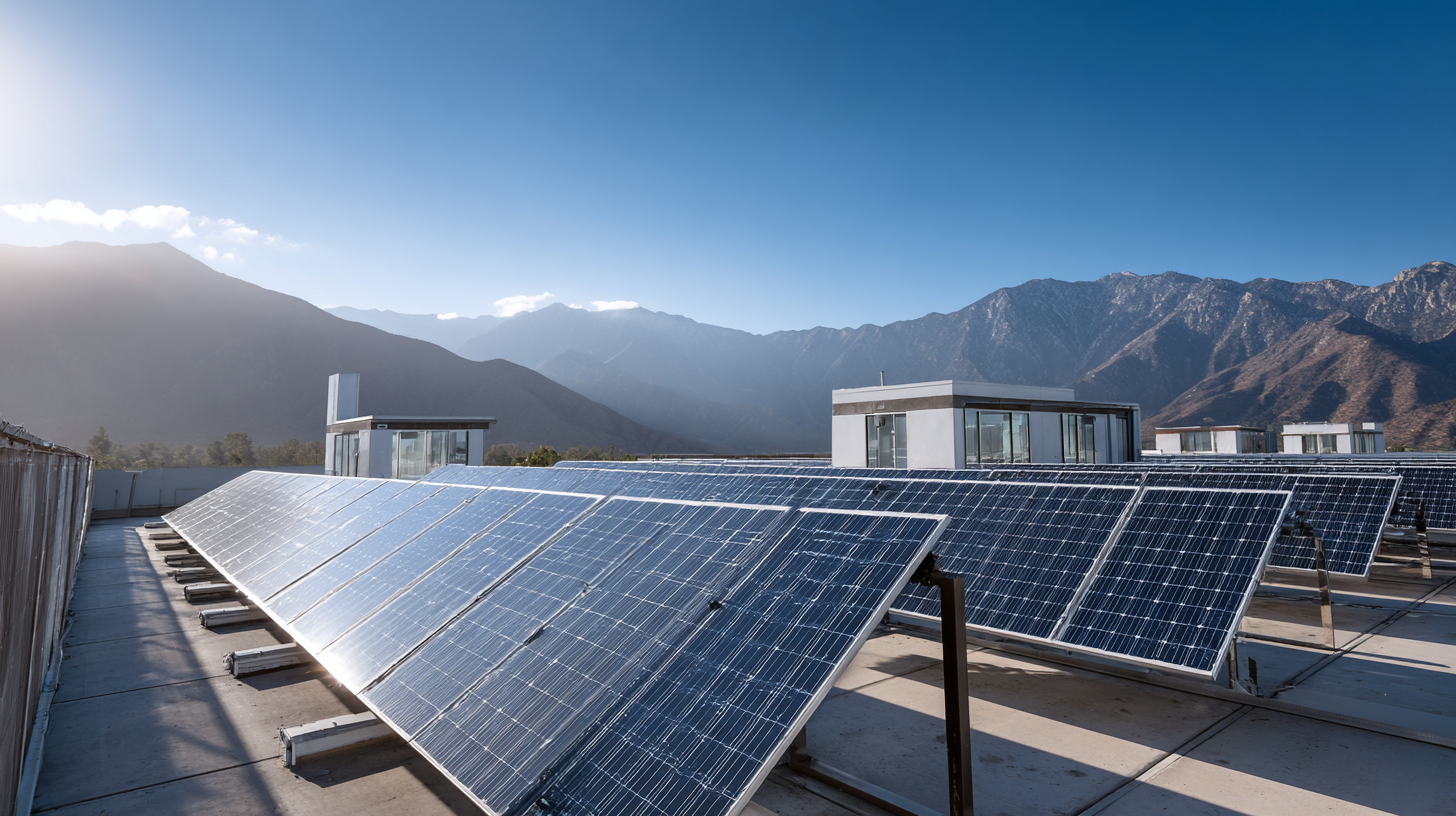
Comparative Analysis of Global Vertical Solar PV Providers
You know, over the past few years, the vertical solar PV industry has really taken off. It’s all about finding energy solutions that save space, especially with the growing demand for sustainable options. If you look around the globe, a comparison of different vertical solar providers shows a pretty varied landscape. There are some cool emerging technologies and innovative designs that really set the top players apart from the rest. The International Renewable Energy Agency (IRENA) reported that the vertical solar market is booming, expanding by over 20% each year, largely thanks to urbanization and the rising concern for our environment. This kind of growth really highlights how crucial it is to evaluate companies based on their efficiency, sustainability, and how well their systems perform overall.
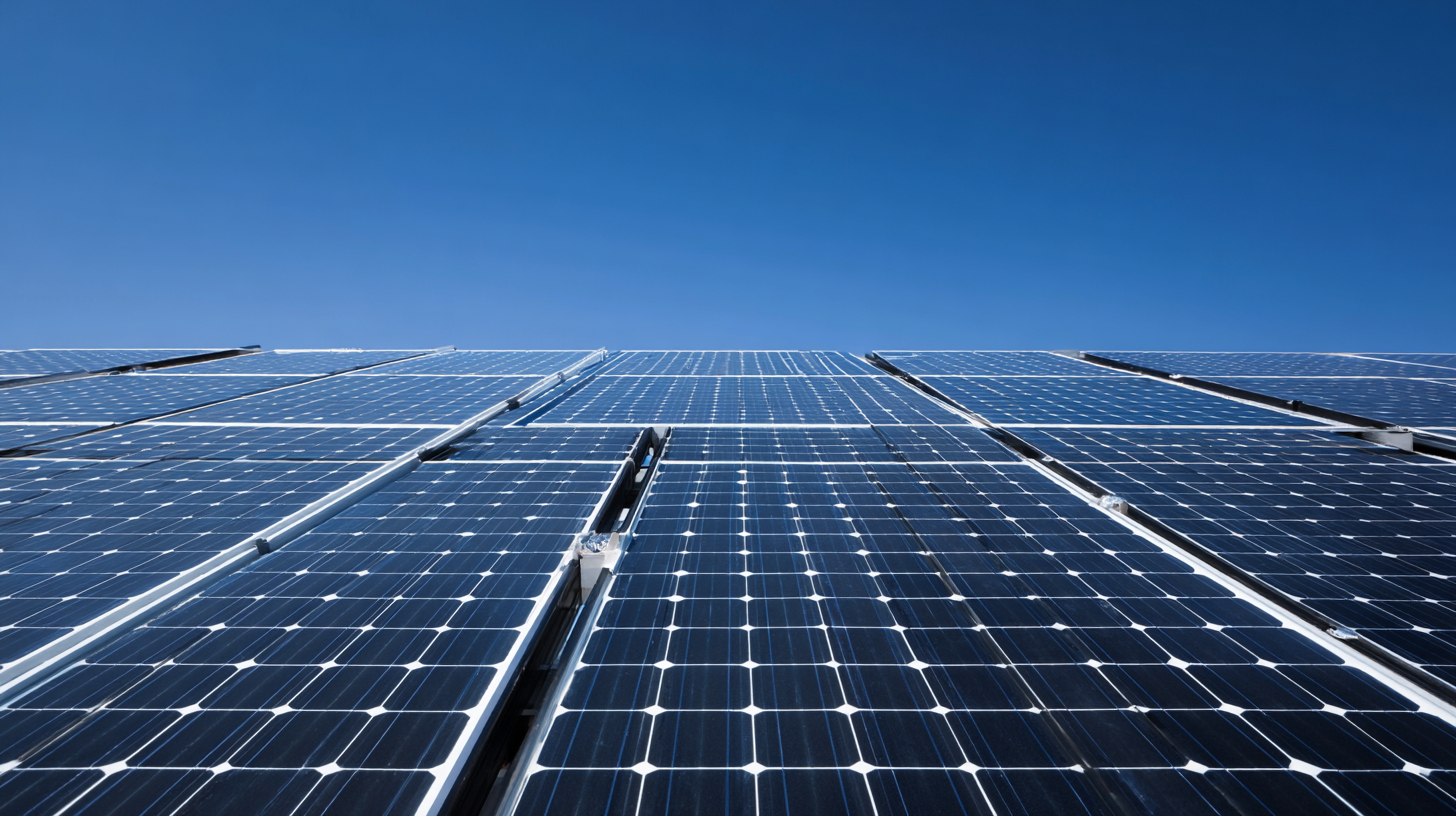
When you think about it, some of the big names in this field like Solaria, Vertically Integrated Solar, and SunPower are really leading the charge. Each of them has something unique to offer in terms of tech. For example, a report from the Solar Energy Industries Association (SEIA) pointed out that Solaria's panel designs can boost energy output by up to 22% compared to the old-school models. Pretty impressive, right? And with the latest advancements in bifacial solar tech, users can actually grab extra energy from sunlight that bounces off surfaces, which just goes to show how rapidly vertical solar solutions are evolving. As cities tighten up their building codes and energy regulations, picking the right provider with top-notch solutions is more important than ever for developers and end-users alike.
Sustainability and Environmental Impact of Vertical Solar Installations
You know, vertical solar installations are really starting to catch on as a cool way to make our cities greener while keeping the environment in check. There’s this report by the International Renewable Energy Agency (IRENA) that says these vertical panels can generate up to 30% more energy than the usual horizontal ones, especially in crowded urban areas where roof space is pretty tight. The magic behind their efficiency lies in their ability to grab sunlight from different angles throughout the day, which really boosts their energy output.
Plus, these vertical solar setups do a fantastic job of tackling the urban heat island effect, where city temperatures can rise by 2-5 degrees Celsius. A study in *Renewable Energy* shows that adding vertical PV systems to building facades not only brings some shade and coolness but also helps lower the surrounding temperatures. This means we can cut down on those heavy-duty cooling systems that usually guzzle energy. So, with all these perks, vertical solar installations aren’t just about generating energy; they’re also helping to create a more sustainable city environment, playing an important part in battling climate change and supporting greener urban development. How awesome is that?
Cost-Benefit Analysis: Vertical vs. Traditional Solar PV Solutions
So, if you're thinking about solar photovoltaic (PV) systems, one of the big things you’ll want to look into is the cost-benefit comparison between vertical solar solutions and those traditional horizontal setups. There’s this recent report from the International Renewable Energy Agency (IRENA), and it highlights something pretty cool: in crowded urban areas where space is tight, vertical installations can actually boost energy output by up to 30%! Pretty impressive, right? That’s because they can catch sunlight from different angles, which means they can really maximize efficiency throughout the day—especially in those densely populated spots.
**Quick tip:** If you’re evaluating solar options for a city setting, don’t overlook how vertical PV installations can make use of those typically underused spaces, like building facades or rooftops. It’s a win-win situation; you get more energy generation and you make the buildings look better too.
Now, I won’t sugarcoat it—the upfront cost for vertical solar PV systems can be a bit on the higher side because of the special mounting and design needs. But here’s the silver lining: according to a market analysis from SolarPower Europe, you can actually make up for those initial expenses through savings on energy bills over about 5 to 7 years. And with the tech getting better and production costs dropping, it looks like the payback time for these vertical setups is only going to get shorter, which is great news for both homeowners and businesses.
**Another tip:** Be sure to do a proper site assessment and feasibility study to find the best solar solution for your space. Investing in a professional evaluation can give you insights into your potential savings and efficiency gains, really helping you make a more informed decision.
Ultimate Checklist for Sourcing the Best Vertical Solar PV Solutions Globally - Cost-Benefit Analysis: Vertical vs. Traditional Solar PV Solutions
| Dimension | Vertical Solar PV Solutions | Traditional Solar PV Solutions |
| Investment Cost ($/kW) | 1,200 | 1,000 |
| Installation Space Requirements (m²/kW) | 3 | 4 |
| Energy Efficiency (%) | 18 | 16 |
| Average Lifespan (years) | 30 | 25 |
| Aesthetic Appeal (1-10) | 9 | 6 |
| Maintenance Costs ($/year) | 100 | 150 |
| Potential ROI (%) | 15 | 12 |
Best Practices for Evaluating Vertical Solar PV Solution Providers
So, when you're on the hunt for vertical solar PV solution providers, it's super important to have a solid list of criteria to help you pick the right one for your needs. First off, definitely check out how experienced the provider is and what kind of know-how they bring to the table. For instance, companies like SUNFREE Lighting Technology Co., Ltd. are great because they really focus on developing new energy products, and they've got a solid track record when it comes to innovative tech and handling large-scale manufacturing.
Another key point to think about is the variety and scalability of the solutions they offer. Good vertical solar PV systems should fit a bunch of different uses—from homes to commercial and even industrial settings. It’s also a good idea to look for companies that can tailor their options to meet your specific needs.
And don’t forget about customer support! You want a reliable partner who won’t just set you up and then disappear; they should be there throughout the whole lifecycle of the product.
Lastly, take a peek at their certifications and see if they comply with international standards. Trustworthy providers can show that they stick to quality and safety measures, which means their products are gonna perform well and be sustainable. It’s a smart move to prioritize vendors that are invested in research and development because that usually indicates they’re committed to innovation and boosting energy efficiency over time.
Illuminate Your Garden: The Benefits of Square Vertical Solar Pole LED Lights
Illuminate Your Garden: The Benefits of Square Vertical Solar Pole LED Lights
Square vertical solar pole garden lights have become a revolutionary solution for outdoor illumination, merging sustainability with aesthetic appeal. As the demand for eco-friendly lighting increases, these innovative solar solutions stand out as a preferred choice for homeowners and city planners alike. According to a report by the International Energy Agency (IEA), solar energy is expected to provide 60% of all global electricity by 2030, showcasing its critical role in future energy strategies. Integrating square vertical solar pole lights into gardens, parks, and public spaces can contribute to this transition while enhancing the visual charm of these areas.
These lights not only illuminate paths and outdoor spaces but also boast significant energy savings. A study from the U.S. Department of Energy highlights that LED lights can use up to 75% less energy than traditional incandescent lighting. With solar pole lights, homeowners can utilize renewable energy, reducing their carbon footprint while cutting down on electricity costs. Given that these solar lights can operate autonomously, they eliminate the need for extensive wiring, further simplifying installation and maintenance. This combination of efficiency and ease of use makes square vertical solar pole LED lights an ideal investment for anyone looking to revamp their garden or public area with minimal environmental impact.
FAQS
: Vertical solar PV systems are innovative solar energy solutions designed to harness solar energy in urban environments where space is limited, featuring an upright installation that increases efficiency and adaptability.
Vertical solar panels can increase energy generation by up to 30% compared to traditional horizontal systems, as they capture sunlight more effectively throughout the day.
Bifacial solar technology allows panels to capture reflected sunlight from surrounding surfaces, potentially increasing overall energy output by an additional 15-20%, enhancing the efficiency of vertical solar PV solutions.
They maximize energy generation while minimizing land use, aligning with sustainability goals aimed at reducing carbon footprints in densely populated areas.
Leading providers include Solaria, Vertically Integrated Solar, and SunPower, each offering unique technological advantages and innovations in vertical solar solutions.
The market has expanded over 20% annually, driven by factors such as urbanization, environmental concerns, and the demand for space-efficient energy solutions.
As cities adopt stricter building codes and energy regulations, selecting the right provider with advanced solutions becomes crucial for developers and end-users seeking compliance and efficiency.
Consumers should assess providers based on efficiency, sustainability, overall system performance, and the innovative technological advantages they offer.
Innovative designs and materials are continuously being developed to improve efficiency and enable better integration of vertical solar PV systems into existing urban architecture.
By maximizing energy output and minimizing land use, vertical solar PV systems help cities reduce their carbon footprints and address energy needs in an environmentally sustainable way.