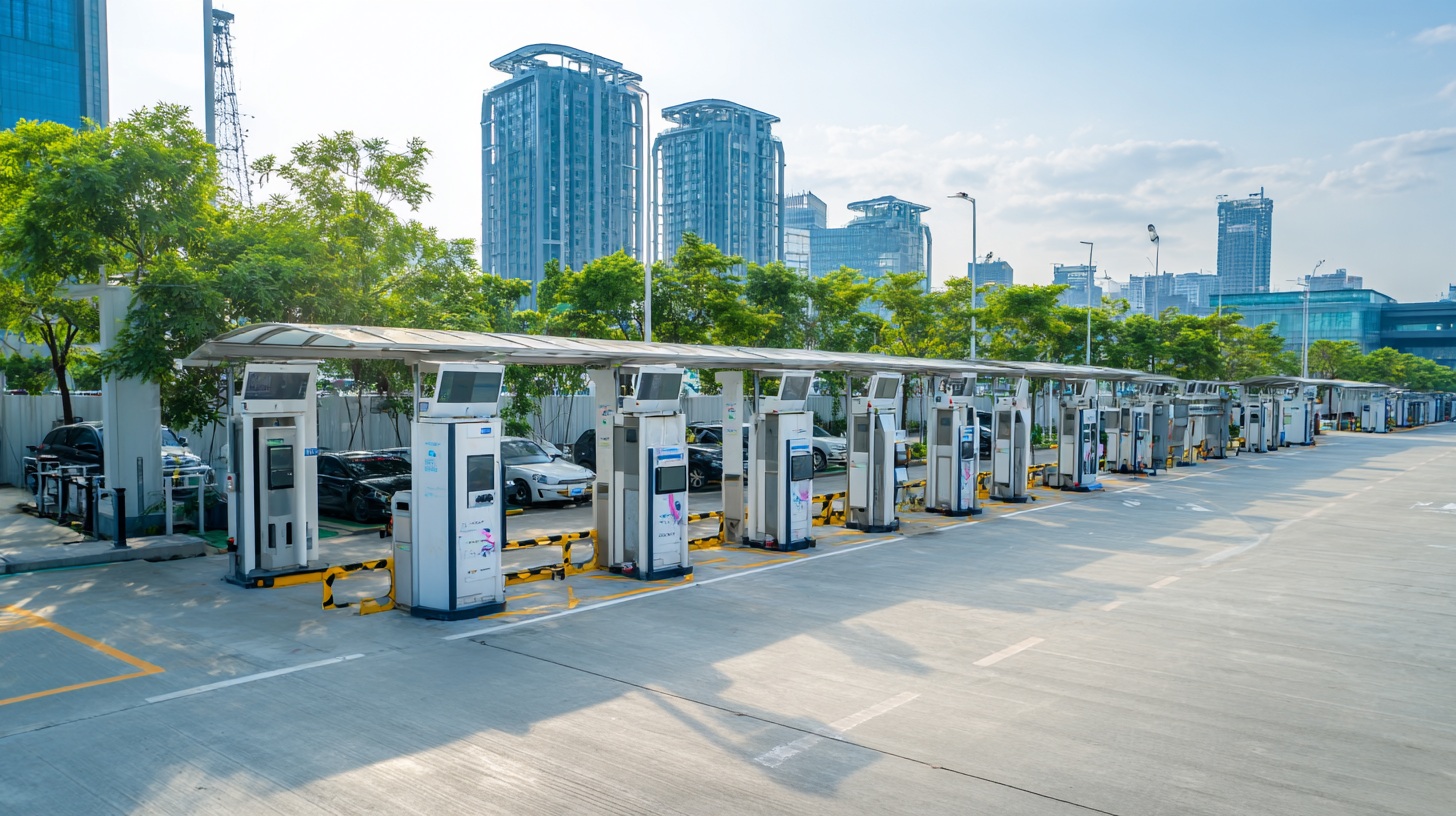
Hey there! With cities growing at breakneck speed and more people moving in, figuring out how to get around urban areas efficiently has become super important. One of the coolest solutions making a big difference in this space is Smart Parking. It’s really shaking things up! These systems use cutting-edge tech to help drivers find parking faster, which means less time stuck in traffic and a way better driving experience overall.
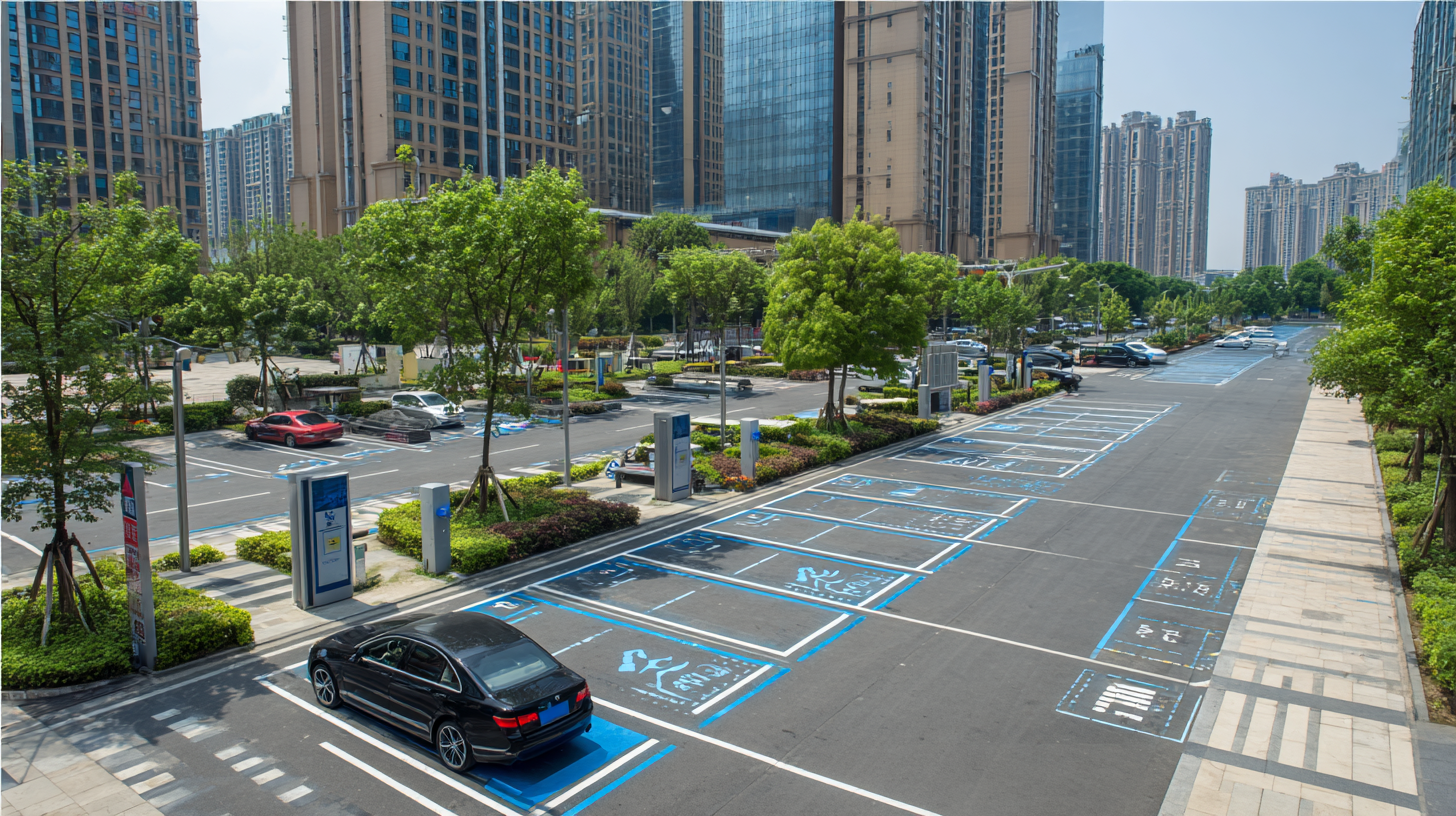
At SUNFREE Lighting Technology Co., Ltd., we totally get how smart urban solutions and sustainable energy go hand in hand. We’re all about pushing the envelope with our research and innovative tech, so we’re really excited to be at the forefront of the Smart Parking wave. We don’t just focus on brightening up spaces; we provide smart, integrated solutions that help create cleaner and smarter cities. In this guide, we’re going to dive into the hot trends that are shaping the Smart Parking scene and what they mean for getting around town by 2025.
You know, the interest in using IoT for managing energy and transportation has really taken off lately. It’s amazing! Recent reports show that the global smart parking market is set to hit a whopping $3.5 billion by 2025, all thanks to the growing blend of smart tech that's aimed at using energy more wisely and cutting down on waste in our cities.
When we look at Smart City setups, those energy management solutions are really stepping up. They use real-time data and communication tech to make urban mobility so much better. This means we can allocate resources more effectively and tackle traffic issues, leading to less congestion and a smaller carbon footprint. As cities jump on board with these cutting-edge systems, we're likely to see a pretty big shift toward more sustainable ways of moving around.
And have you heard about this idea called "vehicle-road-cloud integration"? It's really starting to catch on! Experts believe this could take things to a whole new level compared to the usual single-vehicle approach. By connecting vehicles, roads, and cloud services all together, it’s poised to revolutionize how we think about urban mobility. By 2025, if all goes well, this integrated model could not only streamline transportation networks but also change the game for how our cities respond to mobility needs. Exciting times ahead!
This chart illustrates the various smart parking technologies and their adoption rates in urban mobility over recent years.
You know, the smart parking industry has really taken off in the last few years! With more and more people moving to cities, there's this huge demand for better ways to get around. A report from MarketsandMarkets even says that the whole smart parking market is predicted to jump from about $3.5 billion in 2021 to a whopping $7.3 billion by 2026. That’s a staggering growth rate of 16.2% annually! So, what’s making all this happen? Well, it’s mainly thanks to some really cool advancements in IoT tech. This stuff lets cities monitor parking spots in real-time, making it way easier for folks to find a place to park.
Cities are really starting to notice how smart parking systems can help ease the burden on parking resources, cut down on traffic congestion, and make urban living more enjoyable. For example, a survey from Frost & Sullivan found that these smart systems can actually reduce the time drivers spend hunting for parking by up to 30%! That’s a win-win – not only does it help traffic flow better, but it also helps lower vehicle emissions, making our cities a bit greener.
**A few pointers:** If you’re thinking about a smart parking solution, try to pick one that comes with mobile apps giving real-time updates on parking availability and easy payment options. Plus, cities should really look into investing in data analytics to get a better grip on parking trends and optimize their setups. And don’t forget – getting user feedback is vital! It can really help improve services and make sure the systems actually meet the needs of city dwellers.
You know, the way IoT technology is shaking things up in smart parking is pretty amazing. It’s really changing how we get around in cities and making life easier for everyone. With all the traffic these days, finding a decent parking spot can feel like a nightmare. A recent report from Statista says the global smart parking market is set to hit a whopping $6 billion by 2025, mainly thanks to advancements in IoT and AI. These cool tools let us grab real-time data on parking availability, which means drivers can find spots way faster, cutting down congestion and helping the environment by reducing emissions.
Working with some of the top tech companies, there are all sorts of innovative smart parking solutions popping up to really boost user experiences. For instance, think about smart sensors and connected apps that can literally guide you right to an open parking space—how great is that? You end up spending less time driving around in circles, which is a win for everyone involved and just makes urban transport work a lot smoother.
**Quick Tip:** If you’re ever on the hunt for parking in the city, do yourself a favor and check out apps that give you live updates on available spots. It can really save you some hassle and make your drive way more enjoyable. Plus, businesses can look into teaming up with tech firms to roll out smart parking systems, which not only gives them a leg up but also helps with creating more sustainable cities.
You know, smart parking solutions are really shaking things up in our cities! They're tackling some pretty big problems like traffic jams and pollution. I read a report from the International Parking & Mobility Institute that said the average driver spends about 15 to 20 minutes just hunting for a parking spot. Can you imagine? That’s a lot of wasted time and it just adds to the chaos out on the roads. Plus, when cars are stuck idling, the air quality takes a hit with all those emissions piling up.
But here's the good news: smart parking tech, like systems with sensors and handy mobile apps, is proving to be a game changer. According to the Parking Data Institute, cities that are using these innovations are seeing parking search times drop by almost 30%. That’s huge! It means fewer miles are driven, which is great for cutting down greenhouse gas emissions. And let’s not forget—smart parking can help cities use their space more efficiently. This means they can fit more cars in without having to build a ton of new parking lots. So, by making parking easier, these solutions not only improve traffic flow but also help us create cleaner, greener urban spaces. How cool is that?
You know, smart parking solutions are really shaking things up in urban mobility right now. With more and more people owning cars and available parking getting tighter, it’s clear we need a new game plan. The smart mobility market is set to explode—like, it's expected to skyrocket to about $43.46 billion by 2024, and then climb even higher to around $194.13 billion by 2032! Cities everywhere are starting to rethink how they handle parking. Take Chengdu, for example; they're using tech in some pretty amazing ways, like AI and big data, to make sure parking spaces are used as efficiently as possible.
Oh, and here's a thought: imagine using mobile apps that let you know exactly where parking is available in real-time. That would totally make life easier and help get those spaces filled up.
But seriously, with the rush in vehicle registrations outpacing the parking spots, we really need some creative solutions. That’s where these "city brains" come in, using advanced tech to help cities make smarter decisions about how to manage urban space. It’s not just about making parking smoother; it actually plays a big role in cutting down traffic jams and improving the air we breathe in our cities.
Speaking of improvements, teaming up with local governments to create custom smart parking systems tailored to each area could really boost accessibility and keep folks happy. It’s all about meeting the needs of the community, right?
You know, in today’s fast-changing urban scene, smart parking solutions are becoming a real necessity. They’re key to making our travels smoother and cutting down on all that congestion we see in cities. As these urban areas keep innovating, they’ve got to deal with the tricky side of things too, especially when it comes to getting the right certifications for importing and exporting smart parking tech. Without these certifications, it’s tough to ensure that products stack up to international standards, which really helps with global trade and getting advanced solutions into fresh markets.
Just take a look at what's happening recently; like, China’s rolled out new WTO compliance guidelines. These are pretty important because they help the auto industry tackle those pesky tariff issues and navigate international waters more easily. For smart parking tech, sticking to these compliance standards isn't just about playing by the rules—it's also a way to earn consumer trust and make the whole experience better for users. When companies make compliance a priority, they can really step up as leaders in the smart mobility scene, pushing the adoption of innovative solutions that can totally change how we park in urban environments.
| Smart Parking Solution | Technology Type | Key Features | Compliance Certifications | Market Region |
|---|---|---|---|---|
| Automated Parking System | Mechanical | Space optimization, speed | ISO 9001, CE | North America, Europe |
| Smart Parking App | Mobile | Real-time availability, navigation | FCC, GDPR | Global |
| IoT-enabled Parking Sensors | Sensor Technology | Occupancy detection, data analytics | UL, RoHS | Asia, Europe |
| License Plate Recognition System | Camera Technology | Automated billing, security | ISO 27001, FCC | North America, Oceania |
| Mobile Payment Solutions | FinTech | Cashless payments, integrated invoicing | PCI DSS, PSD2 | Global |
: The integration of IoT technology enhances urban mobility and user experiences by enabling real-time data collection on parking availability, helping drivers locate spaces quickly, reducing congestion, and lowering emissions.
The global smart parking market is projected to reach $6 billion by 2025, largely driven by innovations in IoT and AI.
Smart sensors and connected apps guide drivers directly to available parking spots, minimizing the time spent searching for parking and improving convenience for users.
Smart parking solutions significantly reduce traffic congestion by decreasing parking search times, which, according to data, can be reduced by nearly 30%.
By reducing the time cars spend searching for parking, smart parking solutions help lower greenhouse gas emissions and improve urban air quality.
Businesses can gain a competitive edge by partnering with tech companies to implement smart parking solutions, thereby improving customer satisfaction and contributing to sustainable urban development.
Users are advised to utilize mobile apps that provide real-time information on available parking spaces, saving time and reducing frustration.
The average driver spends approximately 15-20 minutes searching for parking, which contributes to increased congestion and air quality issues due to higher emissions from idling vehicles.
Smart parking can enhance space utilization, allowing cities to accommodate more vehicles without the need for additional infrastructure.
Smart parking solutions improve the overall efficiency of urban transport systems by streamlining parking processes and enhancing user experience.