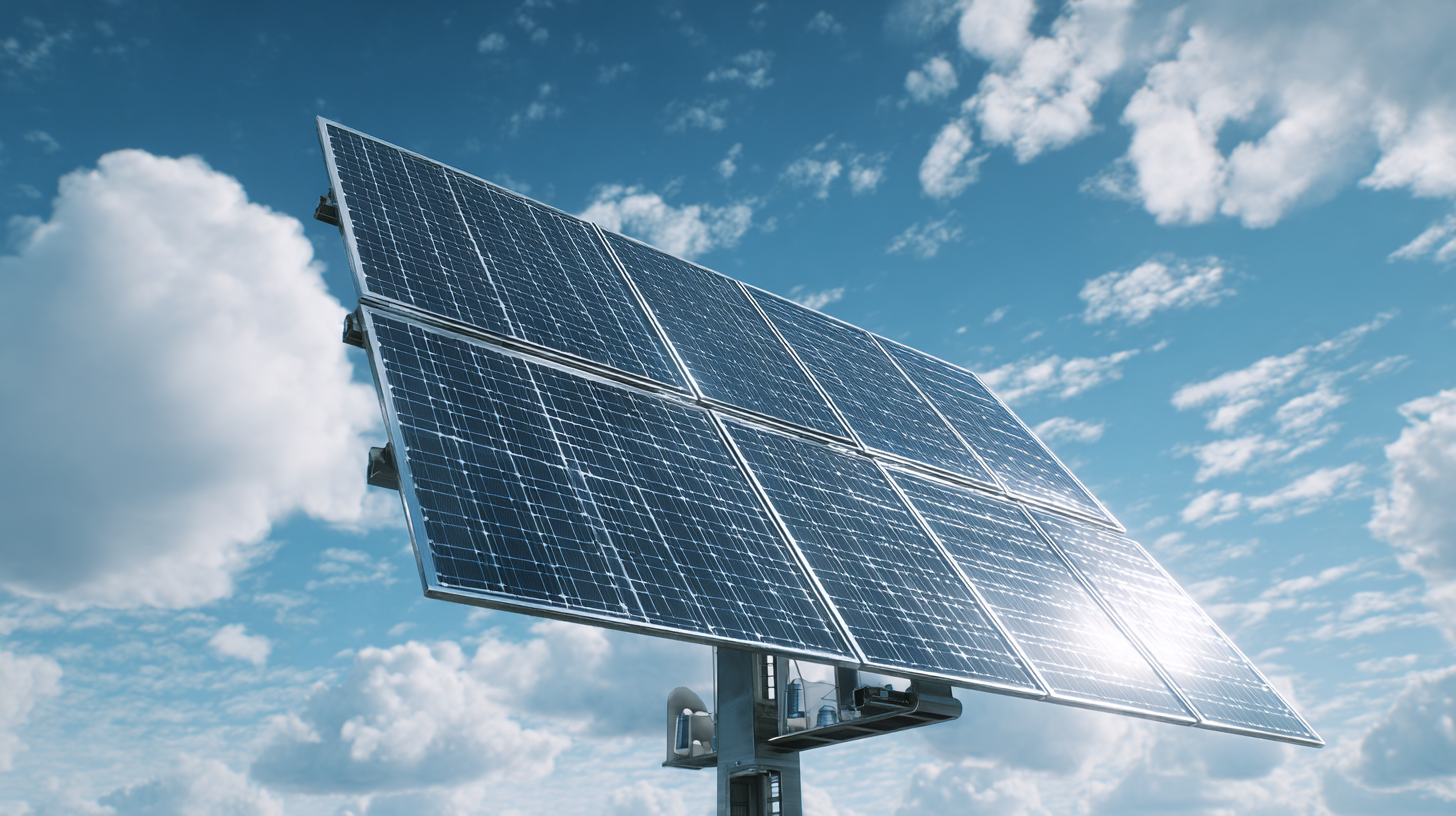
You know, as the world really leans into Renewable Energy, Solar Panels are becoming a key player in how we're tacklingsustainable energy. I came across a report from the International Energy Agency recently, and they’re saying that solar energy capacity is set to skyrocket—think over 700 gigawatts just in 2022! Crazy, right? This kind of growth shows just how important it is to think outside the box when it comes to designing solar panels and figuring out how to use them in different ways. At SUNFREE Lighting Technology Co., Ltd., we’re pretty proud to be leading the charge on this front. We're all about innovation and really dive deep into developing new energy application products. With our cutting-edge design and manufacturing know-how, we're able to deliver solutions that not only boost energy efficiency but fit nicely into all sorts of applications. It's definitely worth exploring the unique features and market options of the best solar panels out there if we want to tap into this clean energy and tackle those big global energy challenges we’re facing.
Understanding Solar Panel Efficiency Ratings and What They Mean for Your Energy Needs
So, if you're thinking about getting solar panels to power your home, it’s super important to get a handle on those efficiency ratings. Basically, energy efficiency for solar panels is all about how much sunlight they can actually turn into usable electricity. Right now, the best of the best out there on the market have efficiency rates that hit about 22-23%. Companies like SunPower and LG are really leading the pack with some impressive numbers. The National Renewable Energy Laboratory (NREL) even points out that just bumping up efficiency by 1% can really boost energy production, which is why it’s become such a big deal for homeowners and businesses who want to get the most out of their systems.
Here at SUNFREE Lighting Technology Co., Ltd., we’re all about breaking new ground in solar tech through innovative research and development. Our strong design and manufacturing skills help us create high-efficiency solar panels that not only meet but often go above and beyond the industry standards. And you know what? Recent market trends show a growing shift towards better energy efficiency, with solar installations expected to grow by about 20% every year for the next five years! So, if you go for solar panels with higher efficiency ratings, you’ll be able to amp up your energy output and lower your energy costs, which totally fits the bill for today’s sustainability goals.
Exploring the Unique Features and Applications of the Best Solar Panels on the Market Today
| Panel Type | Efficiency Rating (%) | Power Output (W) | Temperature Coefficient (%/°C) | Warranty (Years) | Applications |
| Monocrystalline | 20-24 | 300-370 | -0.4 to -0.5 | 25 | Residential, Commercial |
| Polycrystalline | 15-20 | 250-335 | -0.4 to -0.5 | 25 | Residential, Large Scale |
| Thin-Film | 10-15 | 100-200 | -0.2 to -0.3 | 10-20 | BIPV, Residential |
| Bifacial | 18-22 | 340-400 | -0.4 to -0.45 | 30 | Residential, Utility-Scale |
Comparing Solar Panel Types: Monocrystalline, Polycrystalline, and Thin-Film Technologies
So, if you're thinking about solar panels, it's super important to know what types are out there. You’ve got monocrystalline panels, which are pretty awesome because they’re efficient and last a long time—perfect for homes or businesses where space is tight. Then there are polycrystalline panels, which might not be quite as efficient, but they’re easier on the wallet, making them a go-to for those big solar farms. And don’t forget about thin-film technologies! They’re flexible and lightweight, which is great for those tricky spots where regular panels just won’t fit, like on curved surfaces.
Quick tip: When you're picking out the perfect solar panel, take a moment to think about your project's power needs and the space you have for installation. If you’re working with a smaller area, high-efficiency panels could be the way to go. On the flip side, if you’ve got a larger setup, those budget-friendly options can help without needing a huge upfront investment.
As the solar scene keeps changing, so does the conversation around sustainability—especially how we handle old solar panels when they reach the end of their life. The solar panel recycling market is expected to hit $1.12 billion by 2030, which shows just how much people care about disposing of things responsibly. Getting a grip on this stuff can really help you make smart decisions, not just when you’re purchasing, but also for the long-term impact of solar tech.
Another tip: Look for companies that really focus on sustainability in their production and offer recycling for old panels. That way, your investment helps support a greener future.
Evaluating Cost-Effectiveness: Analyzing Solar Panels' Market Prices vs. Long-Term Savings
You know, with renewable energy really picking up speed, more and more homeowners are starting to think seriously about the cost-effectiveness of solar panels. There’s this interesting report from the Solar Energy Industries Association (SEIA) that says the average installation cost of solar panels has dropped by over 70% since 2010. Can you believe it? That makes going solar more accessible than ever! Thanks to these huge reductions in upfront costs, many folks are finding that the financial savings they get can often exceed what they expected. Right now, the market price is hovering around $2.90 per watt, which means a lot of installations can pay for themselves within just 5 to 7 years, though that depends a bit on local energy prices and available incentives.
But wait, there’s more! The long-term savings you can rack up with solar energy are pretty impressive. A study by the National Renewable Energy Laboratory (NREL) estimates that by 2030, homeowners who go for solar might save an average of about $20,000 over the lifespan of their systems—especially with utility rates going up. Plus, a lot of states are offering tax credits and rebates, which sweetens the deal even more. So, when you think about all these enticing financial incentives and the dropping installation costs, it’s clear that investing in solar panels isn’t just good for the planet, but it’s becoming a smarter financial move too.
Innovative Features in 2023: Smart Solar Panels and Their Impact on Energy Management
Wow, 2023 is really something for the solar panel world! We've got this exciting wave of smart solar panels hitting the scene, packed with tech that makes energy management way easier. These nifty panels come with cool features like real-time monitoring and smart AI that helps you squeeze the most out of your energy usage. A recent report from the International Energy Agency even shows that solar energy capacity has jumped by over 20% worldwide, which just goes to show how much folks are embracing these smart techs in renewable energy.
At SUNFREE Lighting Technology Co., Ltd., we totally get how crucial these advancements are. We’re one of the leading players in the new energy game, really diving deep into research and developing solar technology. Our aim? To produce high-quality solar panels that not only deliver reliable energy but also have cutting-edge features designed to mesh perfectly with smart home setups. Industry insiders say that flipping to smart solar solutions could slash energy costs by as much as 30%, which is pretty compelling when you think about it! With the push for sustainable energy only getting stronger, smart solar panels are definitely going to be a big part of how we manage energy in the future.
Top Applications of Solar Panels: Residential, Commercial, and Off-Grid Solutions
You know, solar panels have really changed the game when it comes to how we use energy. They’re such a solid option for all sorts of needs! Take homes, for instance — by the end of 2020, around 3.9 million households in the U.S. jumped on the solar bandwagon, according to the Solar Energy Industries Association (SEIA). It’s pretty clear why folks are getting into solar — installation costs have dropped a lot, and more people are waking up to the idea that solar can save them a bunch of money in the long run. And it looks like this trend isn’t slowing down anytime soon; experts are expecting that by 2030, residential solar will make up about 20% of all the electricity generation in the U.S. How cool is that?
But it’s not just homes getting in on the solar action. Businesses are also seeing the light, literally! They’re jumping on solar to cut down on expenses and boost their sustainability game. A report from the National Renewable Energy Laboratory pointed out that commercial solar installations have shot up by over 25% each year. That’s a big change in how companies think about energy! Not only do these installations help trim down electricity bills, but they also make a business look good to customers who care about the environment. Plus, there’s this growing trend of off-grid solar solutions that are really taking off in more remote areas. They’re even bringing electricity to nearly a billion people who can’t tap into traditional power grids, according to the International Renewable Energy Agency (IRENA). This whole shift to solar energy shows just how versatile it is and how crucial it is for meeting the varied energy needs out there across different sectors.
The Future of Solar Technology: Trends Shaping the Solar Panel Industry by 2025
Hey, have you noticed how the solar panel industry is really changing these days? It’s all thanks to some pretty cool tech advancements and shifts in the market. By the year 2025, experts think the global solar photovoltaic (PV) market is gonna hit around $223 billion! That’s a serious jump, with a growth rate of about 20.5% each year since 2020. You know what’s driving all this? Innovations in Solar Panel Efficiency and better energy storage solutions that are making solar energy a go-to power source for many folks.
A really exciting trend right now is the rise of bifacial solar panels. They can actually catch sunlight from both sides, which boosts their energy production by as much as 27%. And then there are these perovskite solar cells that are being developed. They promise to be more efficient and cheaper to make, which could totally shake things up in the industry. According to a report from the International Energy Agency (IEA), there’s a solid chance that by 2025, solar energy will become the biggest source of electricity out there, outpacing coal and natural gas! That’s a huge deal as countries work towards hitting their renewable energy goals and cutting down on carbon emissions.
Solar Panel Efficiency Trends (2020-2025)
This chart illustrates the projected efficiency improvements in solar panel technology from 2020 to 2025, reflecting advancements in materials and innovation in designs.
Illuminate Your Path: The Benefits and Features of Vertical Hanging Solar Street Lights for Modern Urban Spaces
In the quest for sustainable urban development, vertical hanging solar street lights have emerged as a revolutionary solution, blending modern design with cutting-edge technology. The SUNFREE LIGHTING product, a proud recipient of the IF2025 Design Award, showcases high efficiency and intelligent control, making it an ideal choice for the contemporary urban landscape. According to reports from the International Renewable Energy Agency, the demand for solar lighting solutions is projected to grow by 35% annually, as cities worldwide seek eco-friendly alternatives to traditional street lighting.
This innovative lighting system excels in extreme environmental conditions, showing remarkable resilience in high winds, salty air, and varying sunlight angles. In a study published by the U.S. Department of Energy, it was noted that solar street lights can reduce energy costs by up to 80% when compared to conventional lighting sources. With their sleek and compact design, these vertical suspended lights not only provide functional benefits but also contribute to visual consistency across urban projects, enhancing the aesthetics of green city initiatives.
The transition towards smart and sustainable technologies in urban infrastructure is crucial in addressing the growing challenges posed by climate change. Research indicates that cities adopting solar-powered solutions can significantly reduce their carbon footprint and improve energy efficiency. As urban spaces continue to evolve, the integration of smart solar technologies like those developed by SUNFREE LIGHTING will play a pivotal role in illuminating the path towards greener, more sustainable living.
FAQS
: Smart solar panels are advanced solar technologies that integrate features like real-time monitoring and artificial intelligence-driven optimization to enhance energy management for homeowners and businesses.
They improve energy efficiency by allowing users to monitor their energy use in real-time and optimize energy consumption based on data and trends, which can potentially lower energy costs by up to 30%.
The increase in solar energy capacity is attributed to the growing adoption of smart technologies in renewable energy solutions, as indicated by a report from the International Energy Agency.
Solar panels are utilized in residential, commercial, and off-grid solutions, revolutionizing energy harnessing in various sectors.
By the end of 2020, 3.9 million U.S. households had adopted solar energy, reflecting a growing trend in residential solar panel installations.
Businesses benefit from reduced operational costs, lower electricity bills, enhanced sustainability, improved corporate image, and the ability to attract environmentally-conscious consumers through solar installations.
Off-grid solar solutions provide electricity to nearly 1 billion people in remote areas without access to traditional power grids, highlighting the versatility of solar energy in meeting diverse energy needs.
Projections suggest that residential solar energy will reach 20% of the total electricity generation mix in the U.S. by 2030.
SUNFREE Lighting Technology Co., Ltd. is a leading enterprise in the new energy sector focused on research and development, producing high-quality solar panels with cutting-edge features for seamless integration with smart home systems.