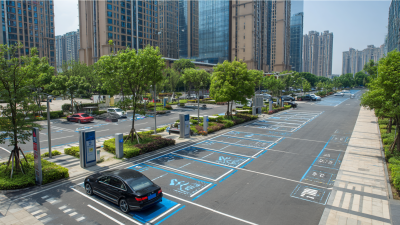
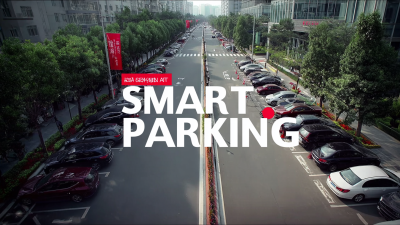
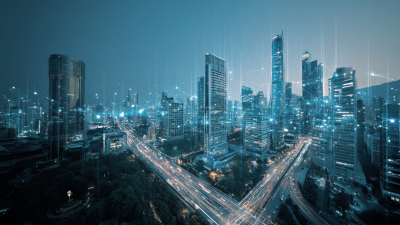
You know, in today's world where cities are just growing so rapidly, managing urban mobility has become a real headache for both city planners and residents. As cities get bigger, the need for better parking solutions has shot up, leading to some really cool new tech coming into play. One of those innovations is Smart Parking — it’s pretty much changing the way we move around and use city spaces. It combines real-time data and Internet of Things (IoT) tech to make parking more efficient, cut down on congestion, and help build a more sustainable urban environment.  Companies like SUNFREE Lighting Technology Co., Ltd. — who are pretty well-known for their work with new energy tech — are really driving this shift, especially when it comes to smart lighting solutions that go hand-in-hand with these parking upgrades. As we dive into the world of Smart Parking, I think it’s worth exploring how it’s changing city life, the benefits it offers for urban mobility, and the key tech behind all this innovation.
Smart Parking Solutions: Reducing Urban Traffic Congestion by 30%
Living in a busy city, you probably know how annoying traffic jams can be—they really affect our daily lives. That's where smart parking solutions come into play, and honestly, they've been a game-changer. Studies suggest they can cut down traffic congestion by up to 30%. How? By using real-time data and clever tech, these systems direct drivers straight to open parking spots, so you're not wasting time circling around just looking for a space. It’s a big relief for drivers, and it also means fewer emissions and less fuel burned because nobody's just cruising around aimlessly.
On top of that, smart parking makes city life way more efficient. With apps you can use on your phone, you can reserve and pay for parking ahead of time, which makes better use of the parking spots available. Having this kind of instant info helps cities manage parking demand properly and makes it easier to access busy commercial areas—good news for local shops and the economy. As our cities keep growing, investing in these smart parking solutions will be key to making urban living more sustainable, boosting economic activity, and just making daily life a little easier and less stressful for everyone living in the city.
The Role of IoT in Enhancing Parking Space Utilization and Identifying Open Spots
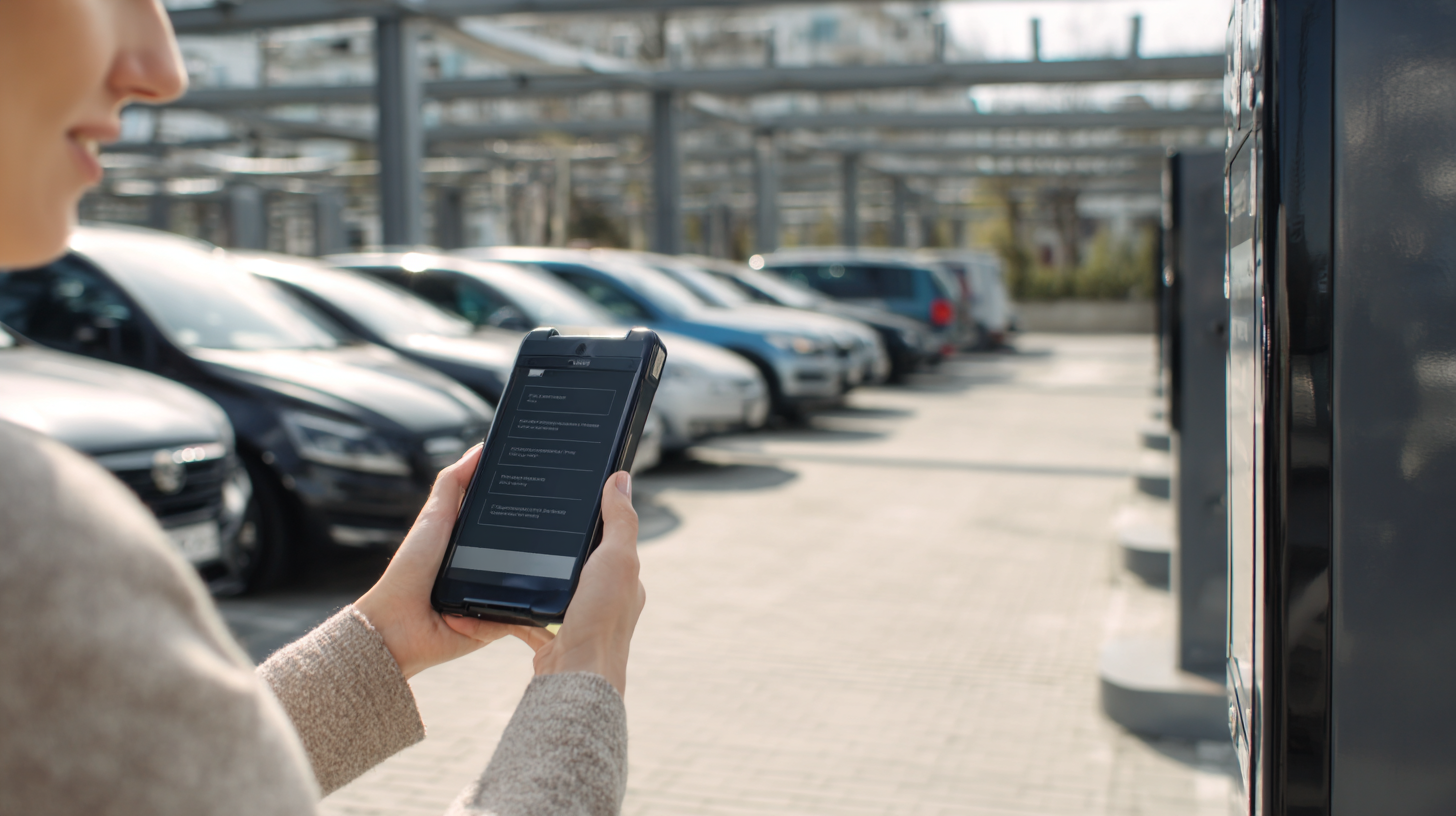
As cities keep getting more crowded, finding good parking spots is becoming a real headache. That’s where the Internet of Things (IoT) comes in and truly changes the game. Imagine connected sensors and smart meters giving you real-time info on where parking is actually available — no more endless circling trying to find a spot! This kinda tech not only makes parking way easier for us but also helps cut down on traffic jams and reduces emissions, making city living a bit greener.
You might want to check out parking apps that work with IoT technology. These apps can give you live updates on open spaces, so you save time and gas. It’s also smart to get familiar with local smart parking systems—you might find features like automated payments or even booking spots in advance.
By making use of IoT features, cities can run their parking more smoothly and help improve overall traffic flow. These smart solutions mean better space use, so cities don’t need to keep expanding parking lots just to handle more cars. When tech gets baked into urban planning, it really can change how we live and move around — making everything a bit more straightforward for everyone.
And hey, if you often park during busy times, look for options that let you reserve your spot ahead of time. It’s a total lifesaver during big events or weekends when spots are scarce — you’ll know for sure you have a place waiting for you when you arrive.

Economic Benefits of Smart Parking, Including Savings of Up to $50 Billion Annually for Cities
Smart parking solutions are really changing how cities look and feel, and it’s not just about making life easier for drivers—there’s a lot of potential for big economic benefits too. I recently came across a report from the International Parking Institute that says cities using intelligent parking systems could save up to $50 billion each year. That’s because these systems help cut down on traffic jams, improve air quality, and even boost revenue from parking fees. When you have real-time data analytics at play, parking spaces are used more efficiently, and drivers spend less time circling around looking for a spot. That means less fuel wasted and fewer greenhouse gases going into the air — simple, right?
Oh, and here’s a good tip: mobile apps that guide you straight to open parking spots make a huge difference. It shortens that annoying search, improves the whole parking experience, and helps keep the city running smoothly.
Plus, smart parking isn’t just about convenience. It ties into bigger city plans for better urban mobility. When parking runs more smoothly, cities can put more resources into public transportation and fixing up infrastructure. According to the Smart Cities Council, places with smart parking solutions actually see up to a 20% jump in public transit use because fewer folks are relying on their cars for those quick trips.
Another tip? Cities should totally invest in smart sensors and modern payment tech—stuff that makes parking simple and hassle-free. That way, more people might actually choose public transit or alternative ways to get around, making the city a more livable place for everyone.
Environmental Impact: Lowering CO2 Emissions by 20% through Effective Parking Management
Smart parking solutions are really changing the way cities move around, especially when it comes to tackling one of the biggest traffic headaches: poorly managed parking. Did you know that, according to a study by INRIX, around 30% of city traffic actually happens just because people are circling around looking for a spot? Not only is that super frustrating, but it also leads to more pollution than we’d like. The good news? Better parking management could cut down CO2 emissions by up to 20%. When cities adopt these tech-savvy solutions, they don’t just improve parking—they also help the environment in a big way.
If you’re thinking about how to get started with smarter parking in your city, a few ideas might help. Using real-time data to keep tabs on parking lot occupancy is a great start. Promoting mobile payments makes paying easier and faster, and including parking info in navigation apps can save everyone a lot of hassle. The less time folks spend driving around looking for a spot, the less emissions—pretty simple, right? Plus, cities should encourage folks to use multiple transportation options, like combining park-and-ride facilities with public transit. That way, fewer people are relying solely on their cars.
And here’s a cool bonus—places with smarter parking systems tend to need less on-street parking, which means more space for parks, walking, or just hanging out outside. All in all, these smart parking strategies don’t just make life easier on the road—they help create a more sustainable, greener city for everyone.
Unlocking Urban Mobility: How Smart Parking Solutions Transform City Life
| City | Smart Parking Solutions Implemented | Average Parking Duration (hrs) | CO2 Emissions Reduction (%) | Monthly Revenue Increase (%) |
| City A | Automated Parking Systems | 2.5 | 20 | 15 |
| City B | Smart Parking Meters | 1.8 | 18 | 10 |
| City C | Mobile Payment Solutions | 2.0 | 22 | 20 |
| City D | Real-time Parking Availability | 1.5 | 25 | 12 |
User Experience: How Mobile Apps are Streamlining Parking for Millions of Urban Drivers
You know how, in today’s busy city life, it’s pretty common to spend ages just trying to find a parking spot? It can be so frustrating, right? Well, thankfully, smart parking apps—especially mobile ones—are really changing the game. They make the whole process way easier by giving you real-time updates on where there’s free parking. With just a few taps on your phone, you can find and even reserve a spot. It’s a huge time-saver, and it helps cut down on all that chaos of cars driving around in circles just looking for a place to park.
Plus, these apps do a bunch of other cool stuff—like handling your payments, guiding you straight to the parking lot, and even reminding you where you left your car. All these little features take away the hassle and let you focus more on your plans, instead of stressing over parking logistics. It’s not just about making life easier for each of us; it also helps keep city streets a bit more organized and less chaotic. Honestly, technology is really stepping up to make city living a whole lot smoother.
Case Studies: Successful Implementation of Smart Parking Systems in Major Cities Worldwide
Around the world, cities are really shaking things up with smart parking systems—it's kind of a game changer for urban mobility. Take San Francisco’s SFPark, for example; it uses real-time data to figure out which parking spots are available and even adjusts prices on the fly based on how many people want them. Honestly, this means less time circling around trying to find a spot, and that’s good news for the environment too, with fewer emissions and cleaner air. By blending tech with city planning, San Francisco’s kind of setting the bar high for other places trying to make their parking better.
And it’s not just SF—Barcelona's also jumping on the smart parking train. They've got these nifty apps that let residents reserve parking spots right from their phones, which makes planning your day so much easier and helps cut down on traffic jams. Plus, city officials get smarter insights into how parking’s actually being used—so decisions are more informed. As more cities adopt these kinds of smart solutions, the whole system just becomes more efficient and sustainable. Honestly, it makes daily commutes less of a headache for everyone, and that’s pretty awesome.
Illuminate Your Space: Unleashing the Power of DALI D4i Fully Autonomous Smart Solar Light Poles
Illuminate Your Space: Unleashing the Power of DALI D4i Fully Autonomous Smart Solar Light Poles
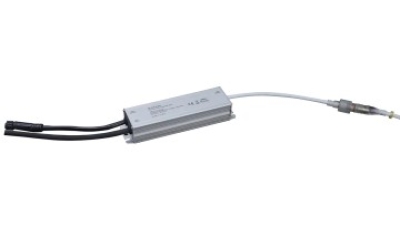
The DALI D4i Fully Autonomous Smart Solar Light Poles represent a groundbreaking advancement in urban lighting solutions. Equipped with innovative DC/DC drivers and vertical solar panels, these state-of-the-art light poles offer an environmentally sustainable alternative to traditional Street Lighting. By harnessing solar energy, the D4i poles provide an efficient power source, reducing reliance on electricity and lowering operational costs. This technology not only minimizes the carbon footprint but also enhances the resilience of urban lighting infrastructure, making cities more adaptable to climate challenges.
Central to the functionality of the DALI D4i system is its compliance with intelligent smart control frameworks. This seamless integration allows for dynamic lighting management, responding to real-time conditions and needs, thereby enhancing safety and visibility in urban environments. Furthermore, the D4i poles can be easily incorporated into existing smart city initiatives, fostering the development of a more interconnected and sustainable urban ecosystem. By leveraging this cutting-edge technology, cities can transform their public spaces into intelligently lit areas that promote energy efficiency and sustainable living.
FAQS
: Cities can save up to $50 billion annually through reduced congestion, improved air quality, and enhanced revenue generation from parking fees.
Smart parking solutions utilize real-time data analytics to minimize the time drivers spend looking for parking spots, thus optimizing space usage.
Implementing mobile apps that guide users to available parking spaces can significantly reduce search time and improve the urban environment.
Cities with smart parking solutions can see an increase in public transport usage by up to 20%, as fewer people rely on cars for short trips.
Mobile apps provide real-time information on parking availability, payment processing, navigation to parking sites, and reminders about vehicle parking locations.
San Francisco’s SFPark initiative uses real-time data to manage parking availability and dynamically price spaces based on demand, reducing search time and emissions.
Barcelona’s smart parking meters allow users to reserve spots via smartphone apps, facilitating better planning and reducing congestion while providing valuable data on parking habits.
By enhancing efficiency and reducing traffic congestion, smart parking solutions make daily commuting less stressful and promote a more organized urban landscape.
Cities should invest in smart sensors and payment technologies to create a seamless parking experience that encourages the use of alternative transportation.
The integration of smart parking systems contributes to a more organized and efficient urban environment, improving overall user experience and urban mobility.
Conclusion
You know, in the fast-changing world of city living, 'Smart Parking' tech is really starting to make a difference. It’s like a game-changer—helping cut down traffic chaos by as much as 30%. Basically, these systems use the Internet of Things (IoT) to make better use of parking spaces and make life easier for drivers trying to find a spot. The impact isn’t just on convenience — cities could save up to $50 billion a year because of it. Plus, by improving parking management, we’re also seeing a drop in CO2 emissions—around 20%. That’s a big win for the environment, making our cities a little greener.
And honestly, the user experience has come a long way. Thanks to smartphone apps, finding and managing parking is way smoother now. If you look at big cities around the world, there are plenty of success stories showing how smart parking systems have become an essential part of urban infrastructure. As SUNFREE Lighting Technology Co., Ltd. keeps pushing innovation in energy, bringing these smart parking solutions into the mix just makes sense, especially given the global push towards smarter, more sustainable cities.