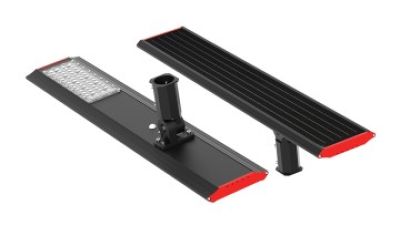
Lately, Renewable Energy has really been gaining ground—it's hard not to notice! Among the newer options buzzing around, theVertical Solar Moduledefinitely catches the eye. It offers a pretty cool twist on how we can tap into Solar Power. These panels are designed to fit right into cityscapes—they’re vertical, so they can slot into tight spaces without much hassle.
Here’s the thing: since space is often limited in urban areas, these vertical modules are a nifty alternative to traditional flat panels. They’re specially made to catch sunlight efficiently, even in small, crowded spots. A lot of companies, like SolarTech Innovations, are jumping on board with this tech. But, gotta be honest—some folks have noticed that these modules don’t always generate as much energy as their standard counterparts. The efficiency can really vary from one situation to another.
All in all, the Vertical Solar Module definitely opens up some exciting possibilities, but it’s not without its hurdles. The upfront installation costs can be a bit intimidating, and in shady city corners, they might not perform so great. Plus, there’s still some room for improvement—more research is definitely needed to make these modules better and more reliable. So, while they show a lot of promise as we move toward greener energy, they’re also worth approaching with a bit of a critical eye.
What is a Vertical Solar Module?
Vertical solar modules represent an innovative approach to solar energy generation. Unlike traditional horizontal panels, these modules are installed vertically, allowing for better space utilization. This design can be particularly beneficial in urban environments where horizontal space is limited. According to a report by the International Energy Agency, vertical solar installations can potentially increase energy output by up to 30% in certain conditions.
The mechanics of vertical solar modules are relatively straightforward. They harness sunlight more effectively at different angles throughout the day. This flexibility helps maximize energy collection. However, adverse weather, such as heavy rain or snow accumulation, can impact performance. Maintenance often poses a challenge as well. Cleaning and access are crucial for efficiency, yet they can be neglected.
Energy efficiency is another consideration. Vertical modules might not perform as well as their horizontal counterparts in some climates. A study from the Solar Energy Research Institute indicates that the location and angle of installation significantly influence overall efficiency. Therefore, while vertical solar modules offer unique benefits, careful planning and consideration are essential for optimal use.
Key Components of Vertical Solar Modules
Vertical solar modules offer a unique approach to harnessing solar energy. They are designed to maximize sunlight absorption by using a vertical orientation. This positioning can reduce shading effects and optimize performance, especially in urban environments. Key components of these modules include solar cells, a mounting structure, and inverters. Solar cells convert sunlight into electricity. The mounting structure allows the module to be installed vertically on various surfaces.
Installation of vertical solar modules requires careful consideration of materials and orientation. Not all materials are equally efficient in converting light to energy. The integration of CE Certification Vertical Solar Module ensures compliance with European safety standards. This certification helps homeowners and businesses trust the product’s quality and efficiency.
On average, vertical installations can generate 30% more energy in limited spaces compared to traditional panels. Despite these benefits, landscaping and structural obstacles must be addressed. The initial costs can also be higher, leading to hesitancy in adoption. Continuous research highlights the potential but reveals challenges in energy storage and distribution as well. As the technology evolves, addressing these issues remains essential for maximizing the effectiveness of vertical solar modules.
Mechanism of Energy Conversion in Vertical Solar Modules
Vertical solar modules are an innovative approach to harnessing solar energy. The mechanism of energy conversion in these modules is fascinating. They utilize photovoltaic cells arranged vertically, maximizing sunlight capture. This design allows for improved energy production, especially in urban environments with limited space.
When sunlight hits the photovoltaic cells, it excites electrons. These electrons then create a flow of electric current. The vertical orientation allows the modules to capture both direct and diffused sunlight throughout the day. This is particularly beneficial during mornings and late afternoons when sunlight is at a lower angle.
Tips: Consider the installation angle. It can greatly affect energy output. Additionally, regular maintenance is essential. Keep the modules clean and clear of debris. Neglected panels may not perform optimally.
The vertical configuration may face design constraints. It requires careful planning to incorporate into existing structures. Not all buildings can support these modules. Always evaluate the structural integrity before installation.
Advantages of Using Vertical Solar Modules
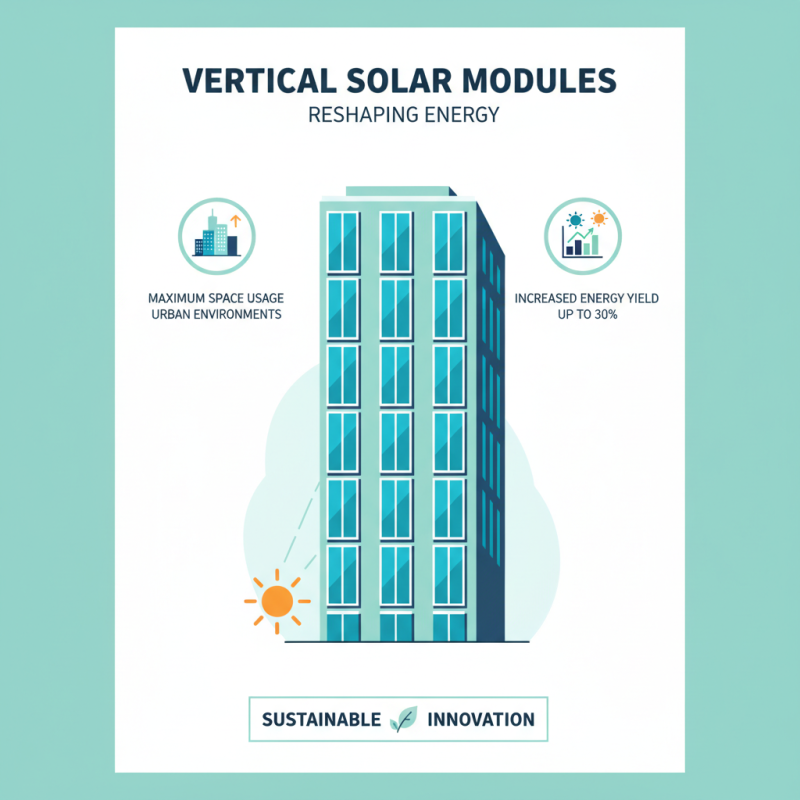
Vertical solar modules offer several advantages that are reshaping the solar energy landscape. One significant benefit is their ability to maximize space usage. Traditional solar panels typically require large, flat areas for installation. In contrast, vertical modules can be installed on building facades or smaller plots of land. This feature is particularly beneficial in urban environments where space is limited. According to a report by the International Energy Agency, vertical solar panels can increase energy yield by up to 30% in certain conditions.
Another compelling aspect is their performance in diverse weather conditions. Vertical solar modules are less susceptible to dirt accumulation and shading from nearby structures. This can lead to improved efficiency and energy production throughout the year. A study from the National Renewable Energy Laboratory indicates that vertical installations can maintain higher performance during cloudy days. However, this technology is still evolving, and some challenges remain. For instance, installation costs can be higher than traditional systems. This factor requires careful consideration from Vertical Solar Module Manufacturers.
Lastly, vertical solar modules can enhance the aesthetic appeal of buildings. They can be integrated seamlessly into architectural designs. This aspect can attract attention from homeowners and developers alike. However, the technology does require ongoing research to optimize efficiency further and reduce costs. As the industry develops, the long-term sustainability of vertical solar modules hinges on addressing these challenges effectively.
Applications of Vertical Solar Modules in Urban Settings
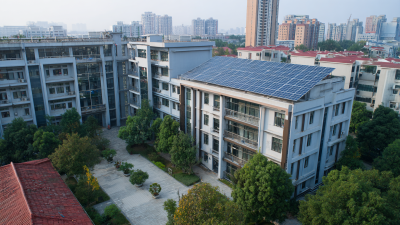
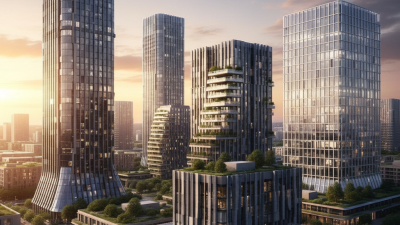
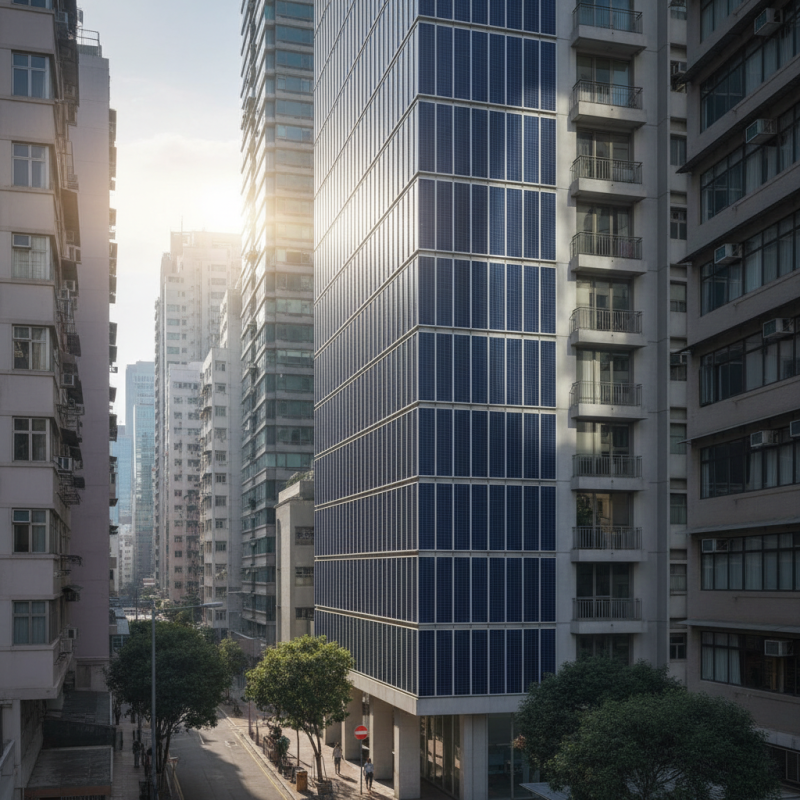
Vertical solar modules offer an innovative solution for urban environments. These panels are installed vertically, making them ideal for tight spaces. They capture sunlight effectively, even in shaded areas. This design is particularly beneficial in cities with tall buildings. High-Quality Vertical Solar Modules can convert more light to energy despite limited horizontal space.
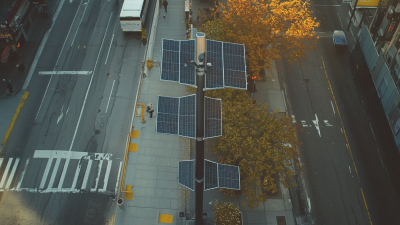
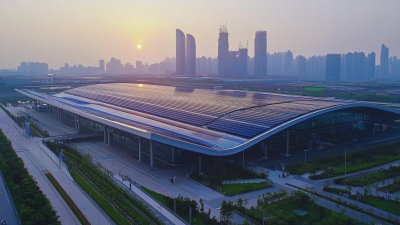
Cities can see a range of applications for these modules. High-rise buildings can incorporate vertical solar panels on their walls, maximizing energy production without sacrificing floor space. Public structures, like bus stops and shelters, can also benefit. Installing vertical solar modules turns these spaces into energy generators. This change can reduce reliance on traditional power sources.
Tips: Consider the placement of vertical solar modules. Focus on areas that receive optimal sunlight during the day. Also, ensure that the installation does not obstruct views or create safety hazards. Maintenance is crucial. Regularly check for any dirt or debris that could diminish efficiency.
Energy Production from Vertical Solar Modules in Urban Settings
The chart below illustrates the average energy production (in kWh) of vertical solar modules over different months in an urban environment. This data highlights the efficacy of vertical solar installations throughout the year.
Comparison with Traditional Horizontal Solar Modules
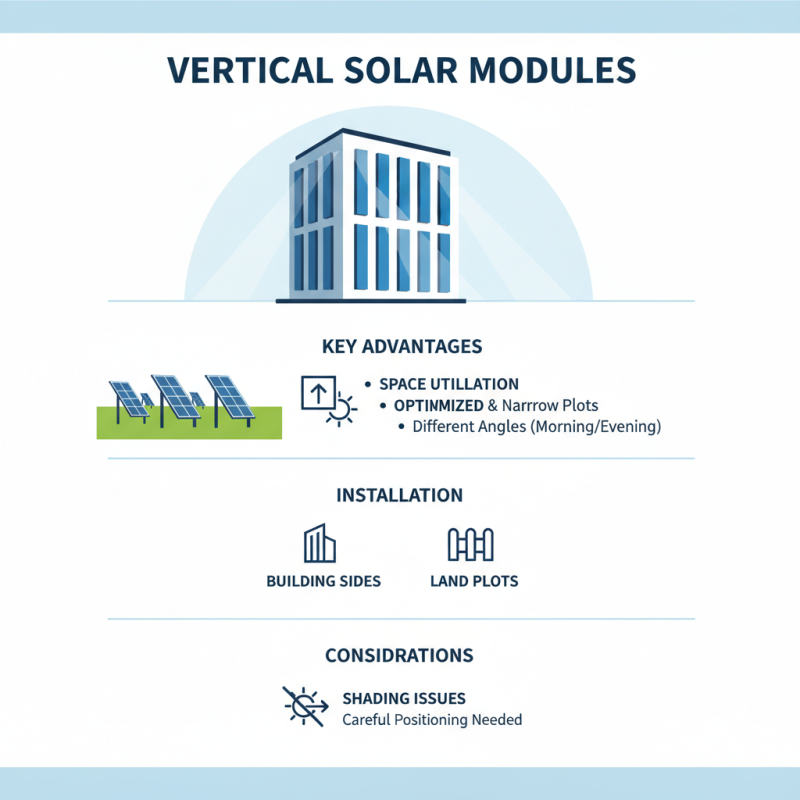
Vertical solar modules represent a significant shift in solar panel design. Unlike traditional horizontal solar modules, vertical modules are oriented upright. This orientation allows for better space utilization, particularly in urban areas. These modules can be installed on the sides of buildings or on narrow land plots. The sunlight capture is optimized at different angles. However, this innovative approach may require careful positioning to avoid shading issues.
Comparing vertical modules with traditional horizontal ones reveals distinct advantages and challenges. Horizontal modules typically maximize sunlight exposure, especially in open areas. Yet, they demand more ground space. Vertical modules can be advantageous where space is limited. However, their energy output might be slightly lower in some conditions. Factors like local climate and installation angle play crucial roles. A Vertical Solar Module Manufacturer often faces these complexities in design and installation.
Installation challenges also arise with vertical systems. They may need specific structural support, and orientation adjustments. Some users report mixed results regarding installation costs. Vertical systems are often perceived as more aesthetically pleasing. Yet, some may question their efficiency compared to their horizontal counterparts. Ultimately, evaluating the best option requires thoughtful consideration of individual needs and environments.
Future Trends in Vertical Solar Module Technology
The vertical solar module technology is evolving rapidly. Recent studies predict a compound annual growth rate (CAGR) of 18% for vertical solar installations by 2030. This indicates a substantial shift towards integrating solar power into urban landscapes. With cities facing space constraints, vertical modules offer an innovative solution. They can be installed on walls and facades, maximizing energy efficiency.
Vertical solar modules can capture sunlight from multiple angles. This adaptability leads to increased energy generation. A study by the International Renewable Energy Agency highlights that vertical systems can produce up to 40% more energy in urban settings compared to traditional panels. However, the technology is still in its nascent stage. Challenges like installation costs and structural integrity remain critical issues to address.
Moreover, research continues into improving the efficiency of these modules. The current average efficiency stands at around 15-20%. Industry experts suggest that advancements in materials and design could drive this figure higher. There’s an urgent need for collaboration among manufacturers, architects, and urban planners. This collective effort could help overcome existing barriers and push vertical solar technology into mainstream adoption.
What is a Vertical Solar Module and How Does It Work? - Future Trends in Vertical Solar Module Technology
| Feature | Description | Benefits | Future Trends |
| Orientation | Modules are designed to be installed vertically. | Increased efficiency in urban areas. | Improved installation in space-constrained environments. |
| Design | Slim and sleek design for aesthetic appeal. | Enhanced integration with buildings. | Adoption of innovative materials and shapes. |
| Efficiency | Optimized for maximum sunlight capture. | Higher energy output in limited spaces. | Development of high-efficiency photovoltaic cells. |
| Applications | Ideal for urban and residential setups. | Flexible use in various settings. | Expansion into public and commercial buildings. |
| Durability | Constructed to withstand various weather conditions. | Longer lifespan reduces maintenance costs. | Improvements in protective coatings. |
Exploring the Impact of All-in-One Solar Street Lights on Urban Sustainability: Insights from Recent Industry Reports
The exploration of all-in-one solar street lights reveals their significant role in enhancing urban sustainability. These innovative lighting solutions not only harness solar energy, reducing reliance on non-renewable resources, but also promote an eco-friendly approach to outdoor illumination. Their design integrates all necessary components, including solar panels, batteries, and LED lights, into a single unit, simplifying installation and maintenance. This is particularly advantageous for cities aiming to upgrade their lighting infrastructure while minimizing disruptions and costs.
Recent industry reports highlight the cost-effectiveness of all-in-one solar street lights, which have become increasingly attractive to urban planners and municipalities. By utilizing free solar energy, cities can greatly reduce their electricity expenses. Furthermore, these lights are designed to operate efficiently in various weather conditions, ensuring reliability in both urban and rural settings. The smart features often integrated into these systems, such as motion sensors and remote monitoring, enhance their effectiveness and adaptability, making them suitable for diverse environments.
As cities strive for sustainability, the adoption of all-in-one solar street lights offers a viable solution. They provide a modern, energy-efficient alternative that aligns with the global push toward greener urban spaces. By prioritizing innovations like these, cities can improve their infrastructure while fostering a commitment to environmental stewardship.
FAQS
: The product is designed to enhance user experience through convenience and efficiency. It serves practical needs.
Read the instructions carefully. Familiarize yourself with its features for optimal usage. Experiment with different settings.
Regular cleaning is essential. Ensure you check for updates or necessary parts replacement to prolong its life.
Follow the guidelines for safe use. Improper handling can lead to unintended issues. Always prioritize safety first.
Refer to the common issues section in the manual. Sometimes, restarting or resetting can solve many problems quickly.
Feedback is crucial. You may consider reaching out for support or exploring alternatives if it doesn’t work as hoped.
Conclusion
Vertical Solar Modules are innovative solar energy solutions designed for urban environments, distinguishing themselves from traditional horizontal modules in both design and functionality. These modules capitalize on vertical space, allowing for efficient energy conversion while minimizing land use. The key components include photovoltaic cells, mounting structures, and optimized orientation, all of which contribute to their effectiveness.
The mechanism of energy conversion in Vertical Solar Modules is similar to that of conventional systems but is adapted to capture sunlight from various angles, which is particularly advantageous in densely populated areas. Their advantages include improved aesthetics, enhanced energy production in limited spaces, and versatility in installation. As urban centers grow, the applications of Vertical Solar Modules are becoming increasingly relevant, potentially revolutionizing the way solar energy is harnessed in cities. Future trends indicate continued advancements in technology, promising even greater efficiency and integration within the urban landscape.