Leave Your Message


You know, as cities are dealing with all sorts of energy challenges and limited space, the idea of using Vertical Solar Poles is really starting to catch on. A report from the International Renewable Energy Agency (IRENA) paints an interesting picture: by 2030, the global solar energy capacity is set to hit 3,000 GW. That's a big wake-up call for urban areas to come up with smart solar solutions! Enter SUNFREE Lighting Technology Co., Ltd. — they’re leading the charge on this front, blending some pretty advanced design with the latest tech. These Vertical Solar Poles aren’t just good-looking additions to our cityscapes; they’re also practical sources of renewable energy. Think about it: they can power streetlights and support urban infrastructure with clean energy. Since cities are responsible for over 70% of global carbon emissions, bringing in this Vertical Solar Pole tech is definitely a step in the right direction for achieving our sustainability goals and making our cities a whole lot greener.
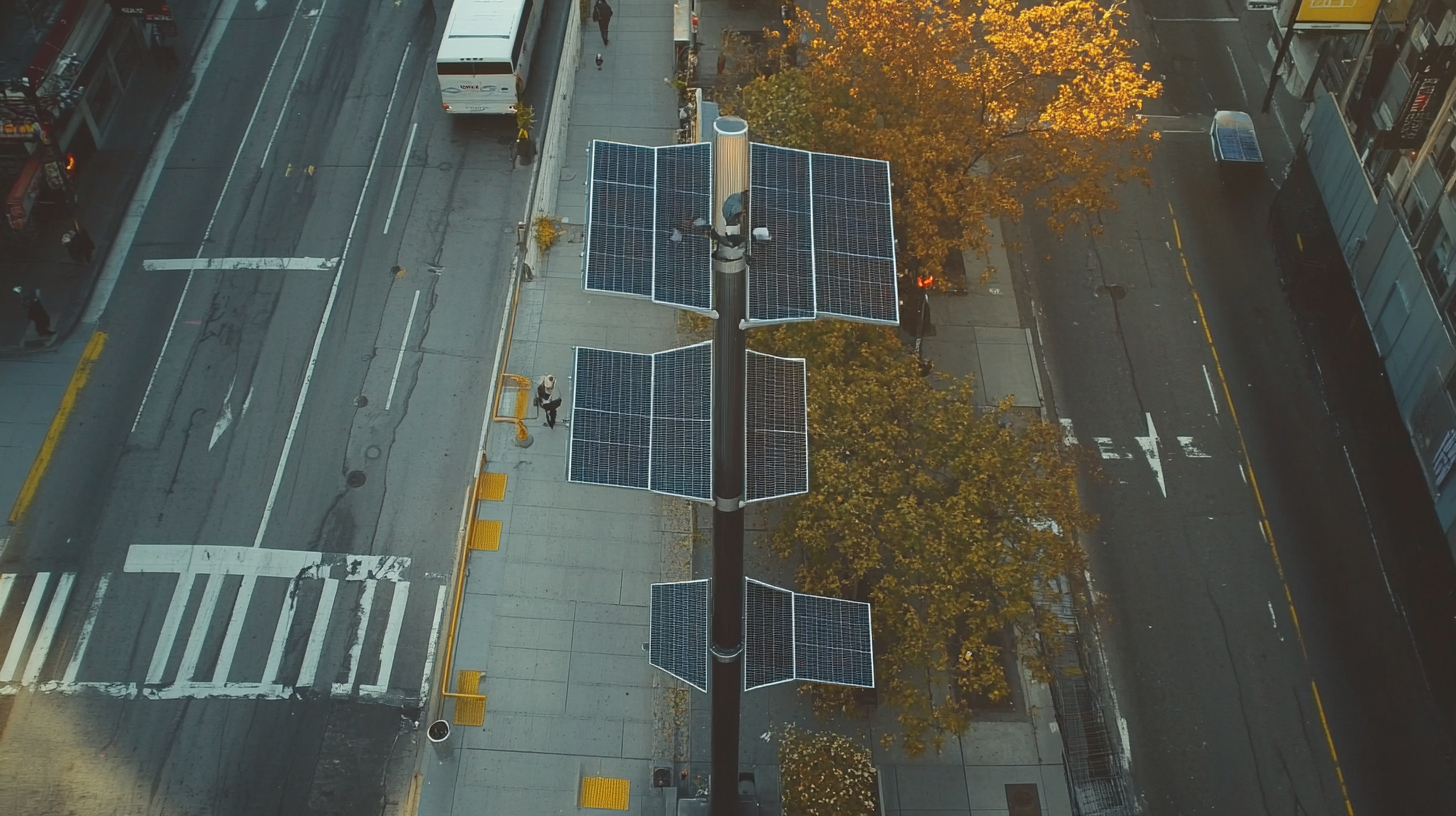
You know, bringing vertical solar poles into our city landscapes really comes with its own set of challenges that we need to tackle if we want them to work well. One big issue is how we use space in crowded areas. Cities are often all about fitting in what’s already there, so there’s not always a lot of room for new stuff. It can be quite a puzzle to find spots that don’t block foot traffic or mess with public spaces. It definitely takes some thoughtful planning and a good dose of community input to get it right.
And then there are the aesthetics to think about. Urban planners really have to be careful about how these poles fit into the overall vibe of the city and its architecture. Some folks might be a bit hesitant about how solar poles look, which could make it hard to get the community on board. But hey, if we get a little creative with the designs, we can make these structures not just functional but also something that enhances the urban landscape. Collaborating with local artists and designers could really help turn these solar poles into eye-catching landmarks that people actually love, encouraging everyone to get involved and support the project.
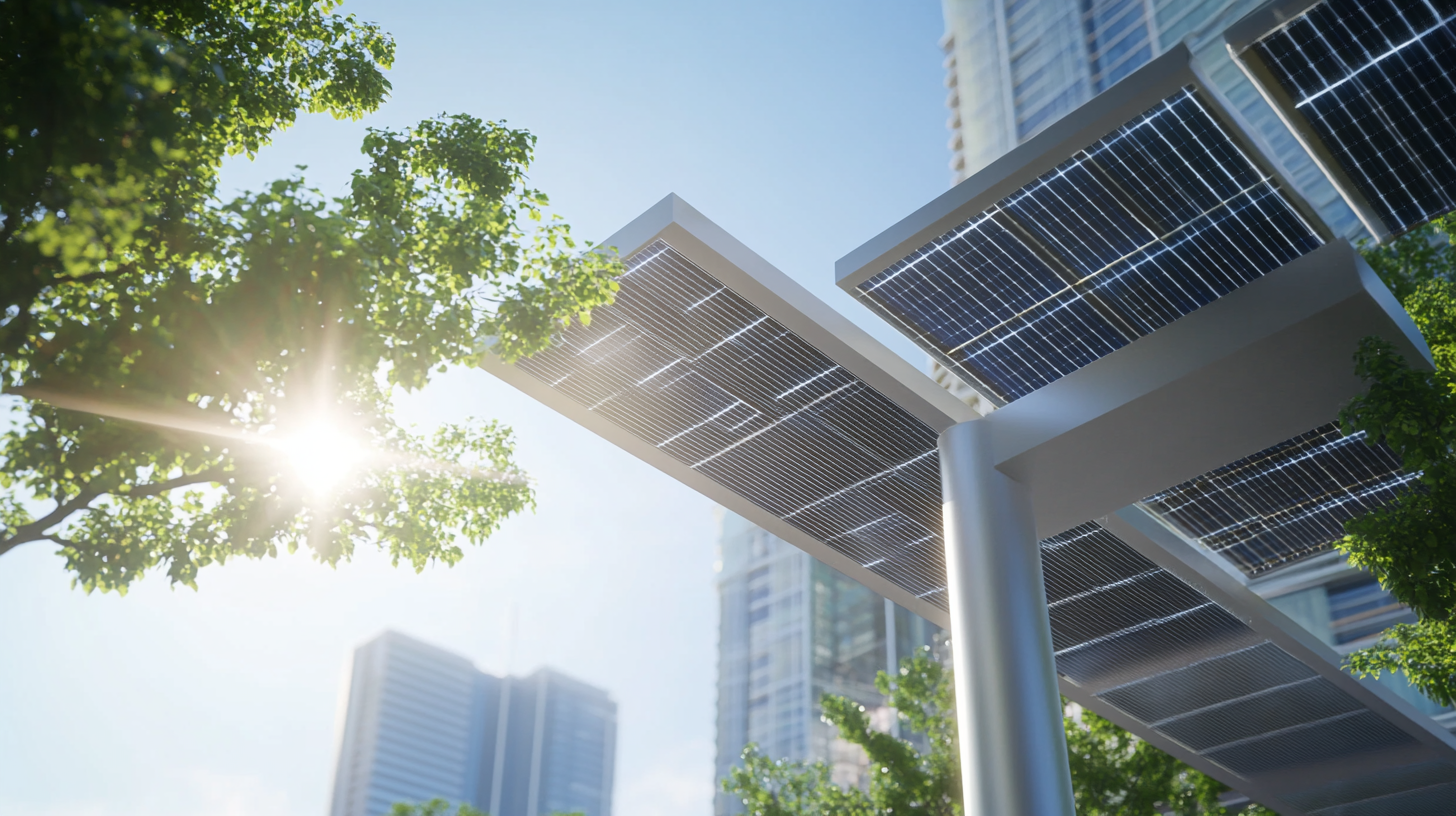
You know, the idea of using vertical solar pole structures in our cities is really exciting for sustainable energy! It's like hitting two birds with one stone – these solar poles not only generate energy but also serve as important part of urban infrastructure, like lighting and signage. In crowded cities where every bit of space matters, this kind of multifunctionality really makes a difference because it combines utility with style.
Lately, there's been a lot of buzz around design innovations aimed at making Solar Panels more efficient and visually appealing within these vertical setups. For example, wrapping solar panels in sleek, artistic frames helps them blend right into the urban scene, ditching the clunky look of traditional models. Plus, using materials like recycled plastics and tough weather-resistant composites doesn't just boost durability; it also champions sustainability during the construction process. This way, modern architecture can look good while being eco-friendly at the same time!
And guess what? We can even jazz up these vertical solar poles with smart technology! They can harvest energy and send data back to energy grids or city management systems. This creates a more connected urban landscape, pushing not only for renewable energy but also for a city that can adapt and respond to what the community needs. As cities all over the world try to innovate and cut down on their carbon footprints, vertical solar pole structures are definitely going to be major players in this change.
You know, in those tight urban spaces, making sure we’re using energy efficiently is really important for living sustainably. I mean, have you heard about those vertical solar poles? They’re a pretty cool solution! Not only do they harness renewable energy, but they also take up hardly any ground space, which is perfect for our busy cities. As more city folks start to embrace eco-friendly building practices, these vertical solar poles could really help shrink our carbon footprints while also sprucing up the look of urban areas.
And let’s not forget about micro-housing! Those projects are already showing that you can create affordable and green living options. By bringing in vertical solar tech, these developments can really amp up energy efficiency while building a sense of community among residents. Plus, with new advancements in how solar panels are made—like those nifty specialized coatings—energy yield is getting a serious boost. So, urban dwellers can actually enjoy the perks of renewable energy right in their cozy homes. As our cities move toward greener futures, finding ways to integrate innovative solar solutions will definitely be key to creating sustainable urban spaces that actually meet the needs of the people living there.
This pie chart illustrates the distribution of energy sources contributing to the efficiency of vertical solar pole integration in urban environments. The data highlights the significant role of solar energy, followed by wind and grid electricity, showcasing an innovative approach to maximize energy utilization in compact urban spaces.
Vertical solar poles are really shaking things up when it comes to mixing renewable energy with our urban spaces. Take Milan, for instance—it's a fantastic example. They’ve put these solar poles in parks and plazas, and they’re not just there to look pretty; they provide lighting and charging stations too! Seriously, it’s like two birds with one stone: practical energy solutions that also bring some style to the city. These poles are designed to fit right in with the surroundings, proving that functionality and good design can totally go hand in hand.
Now, let’s hop over to Singapore for another cool example. There, they’ve got vertical solar poles powering smart benches throughout the city. How neat is that? These benches allow folks to charge their phones and even get free Wi-Fi, which definitely makes life a bit sweeter for both locals and visitors. Singapore really shows how versatile vertical solar tech can be—it’s all about upgrading public amenities while keeping things sustainable, especially in crowded urban areas. By utilizing vertical space, cities can boost energy production without wasting precious ground space, opening up some exciting possibilities for smarter urban planning.
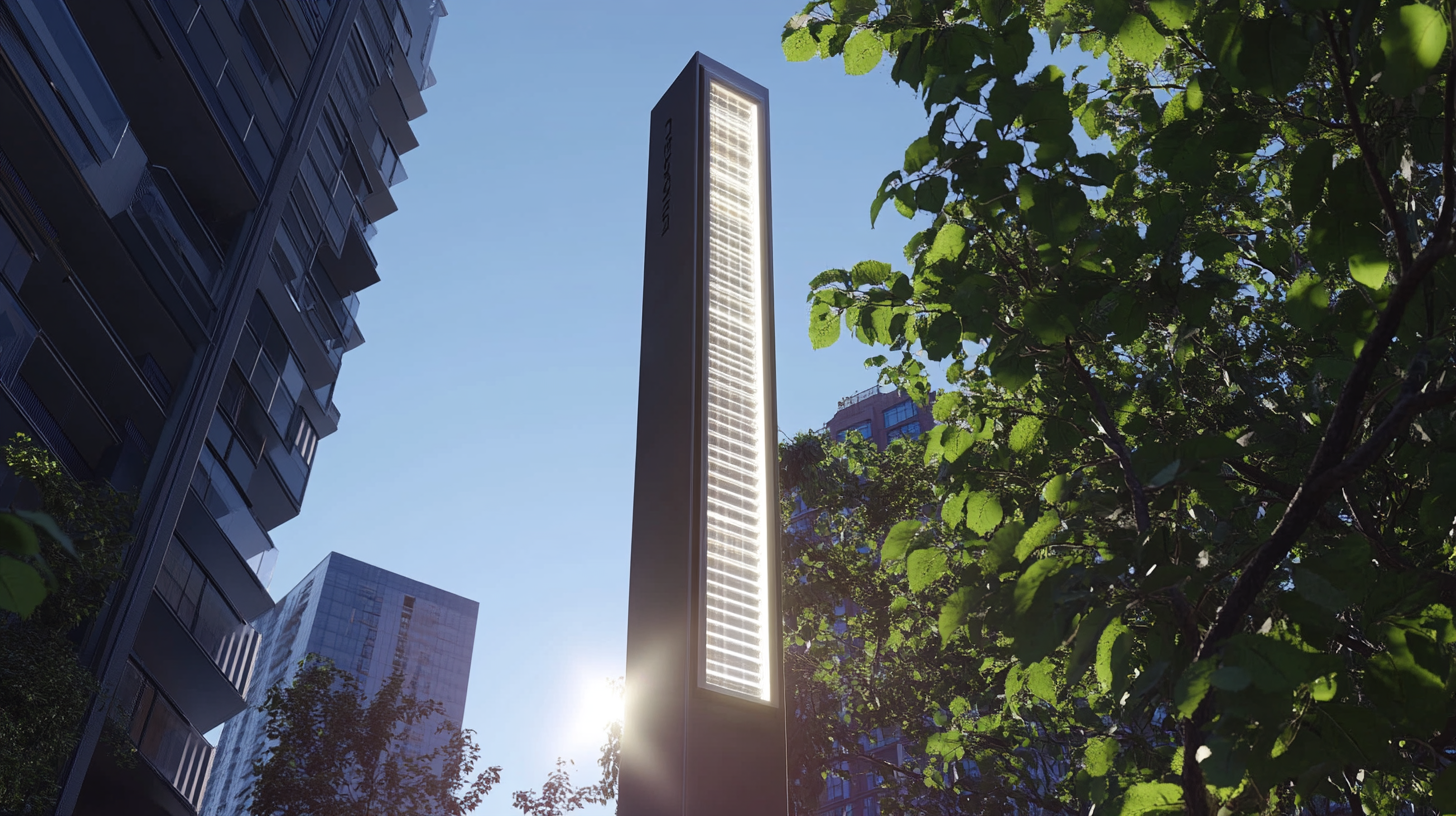
You know, bringing vertical solar poles into our cities could really shake things up when it comes to engaging the community around clean energy. A recent report from the Acadia Center and the Clean Air Task Force really drives this point home: community involvement is super important for making clean infrastructure projects work well. When people feel included, it not only helps tackle local issues but also gives them a sense of ownership. This means folks can actually play a part in New England's energy transition, which is pretty cool, right?
As our urban areas face the realities of climate change, these innovative solar solutions, like vertical solar poles, might just be the game-changer we need. Imagine them popping up in parks or along busy streets—they can really fit right into the daily hustle of city life. By getting communities involved in how these things are designed and rolled out, we can make sure they truly work for the local vibe, blending in both functionally and visually. Not to mention, this teamwork can really empower residents and build a shared commitment to sustainability. The end result? Smarter, more resilient cities that we're all proud to be part of.
| Innovative Approaches for Vertical Solar Pole Integration in Urban Environments | ||||
|---|---|---|---|---|
| Approach | Community Engagement | Technical Feasibility | Urban Impact | Future Outlook |
| Facilitated Workshops | High | Medium | Positive | Promising |
| Pilot Programs | Medium | High | Significant | Very Promising |
| Public Polls | Medium | Low | Neutral | Cautious Optimism |
| Collaborations with Local Businesses | High | High | Transformative | Very Positive |
You know, adding vertical solar poles in our cities could be a game-changer. Not only do they help us tap into renewable energy, but they also tackle those pesky space issues we have in urban areas. To really make this happen, though, we need some smart policies that can kickstart innovative designs, make installation a breeze, and get more private investors on board. It’d be awesome if local governments could set up zoning laws that actually encourage solar installations, making sure these green energy solutions are part of the whole urban planning picture.
And let’s not overlook how important financial incentives can be for getting people to embrace vertical solar tech. I mean, tax credits, grants, or even low-interest loans could really help out both folks and businesses wanting to go green. Plus, teamwork between public and private sectors could spark some cool research and development. This would not only drive down costs but also elevate innovation. By crafting a supportive environment with these targeted policies, our cities can not just boost their eco-friendliness but also jazz up their look and functionality in a big way.
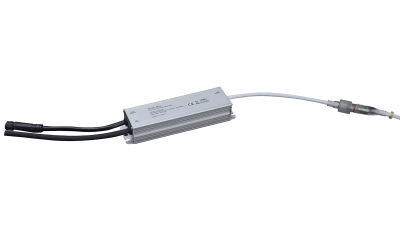
Transforming outdoor spaces is not just about aesthetics; it is about integrating smart technology to create sustainable and efficient lighting solutions. The DALI D4i system exemplifies this transformation, providing a fully autonomous smart solar light pole designed for urban environments. Featuring innovative D4i DC/DC driver technology combined with vertical solar panels, the D4i is at the forefront of eco-friendly lighting options. This innovative integration ensures the system not only complies with the DALI (Digital Addressable Lighting Interface) for intelligent control but also enhances sustainability in city lighting initiatives.
According to the International Energy Agency, outdoor lighting accounts for about 30% of a city's total energy consumption. With the implementation of solar-powered lighting solutions like the DALI D4i, cities can significantly reduce their carbon footprint and operational costs. In fact, the transition to solar-powered systems can lead to energy savings of up to 75% compared to traditional lighting methods. Furthermore, implementing smart technology allows for better management and control of urban lighting, resulting in an optimized and responsive infrastructure.
The ability to collect data and analyze usage patterns with DALI D4i not only enhances the user experience but also contributes to smarter city planning. As urban populations continue to grow, leveraging such cutting-edge solutions is essential for creating efficient, sustainable, and well-lit outdoor spaces. Investing in DALI D4i poles represents a step forward in modern urban development, aligning with global efforts toward greener cities.
: The primary challenges include space utilization in densely populated areas, aesthetic concerns, and the need for careful planning to avoid obstructing pedestrian flow or public amenities.
Aesthetic concerns arise from the need to blend these structures into the existing skyline and architectural styles, which can lead to resistance from residents concerned about visual impact.
Engaging with local artists and designers to create visually appealing installations can help mitigate concerns, transforming solar poles into attractive urban landmarks.
Vertical solar poles utilize minimal ground space while providing renewable energy, making them ideal for densely populated areas and helping reduce carbon footprints.
In Milan, Italy, vertical solar poles have been deployed in public parks to provide energy for lighting and charging stations while enhancing aesthetic value.
In Singapore, vertical solar poles power smart benches that recharge mobile devices and provide free Wi-Fi, showcasing their versatility in enhancing public amenities.
Vertical solar technologies optimize energy use in micro-housing developments, providing affordable and environmentally friendly living options while fostering a sense of community.
Advancements such as specialized coatings enhance energy yield, allowing urban dwellers to benefit from increased renewable energy production in compact living spaces.
Vertical solar poles contribute to greener urban futures by reducing carbon footprints, optimizing energy production, and enhancing the aesthetic appeal of cities.
They enable cities to harness renewable energy in high-density areas without sacrificing ground space, paving the way for innovative urban planning and sustainability initiatives.