Leave Your Message
0%

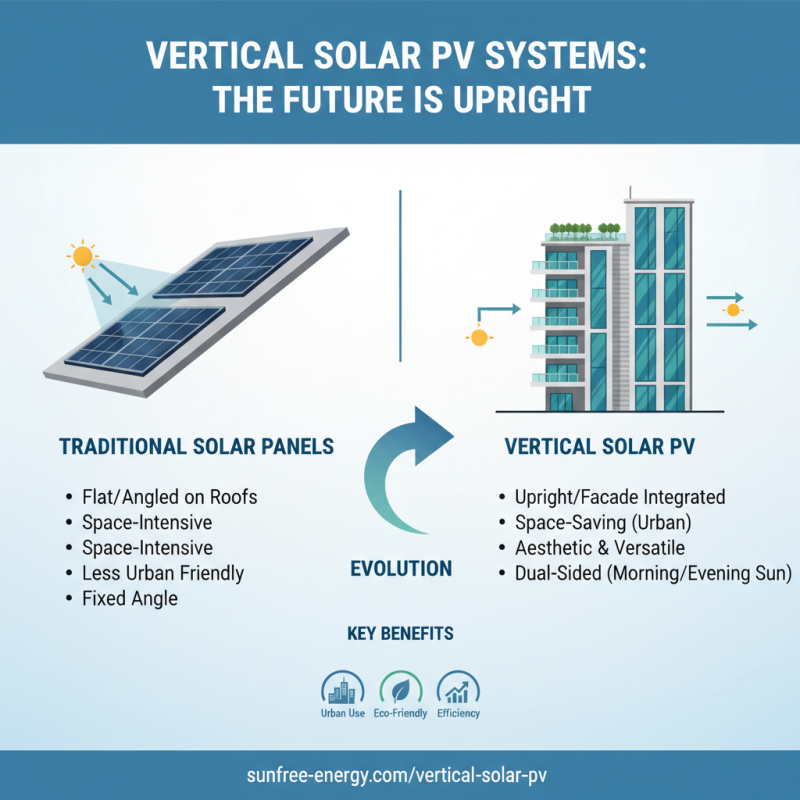
Vertical Solar PV is really changing the game for Renewable Energy in cities. Unlike the typical flat solar panels, these systems are built to stand upright, which helps save space and actually looks pretty sleek. With so many cities running out of room, it’s awesome that these can be integrated directly into buildings and streets without much fuss.

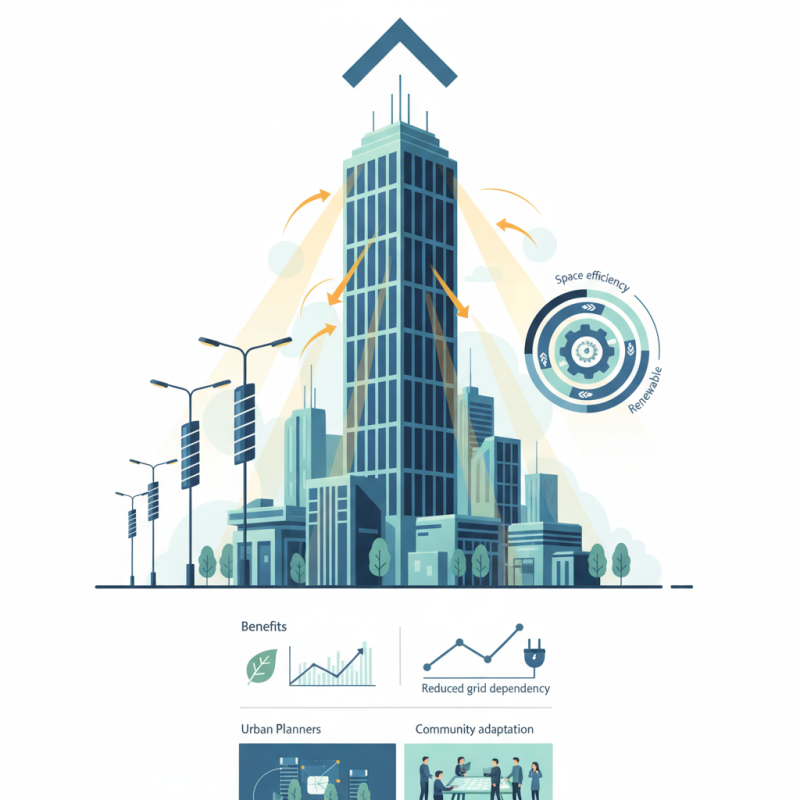
What’s cool is that they catch sunlight from multiple angles, so they work better—especially in busy, crowded spots. They’re not just for homes either; you’ll see them used as street lights, like the Vertical Solar Pole Street Lights. These lights brighten up streets while soaking up Solar Power, helping cut down on energy bills and grid reliance. That said, setting them up isn’t always a walk in the park—they can be pricey and tricky to install.

Switching to Vertical Solar PV definitely needs some planning. Urban planners need to think about building heights and how much sunlight hits each spot. Sometimes, communities might need to rethink their ideas about city design and energy use. It’s not all smooth sailing—there are hurdles to jump—but the potential benefits are pretty exciting. Embracing this tech could really help make our cities greener and more sustainable in the long run.
What is Vertical Solar PV and How Does it Work?

What is Vertical Solar PV?

What is Vertical Solar PV and How Does it Work?

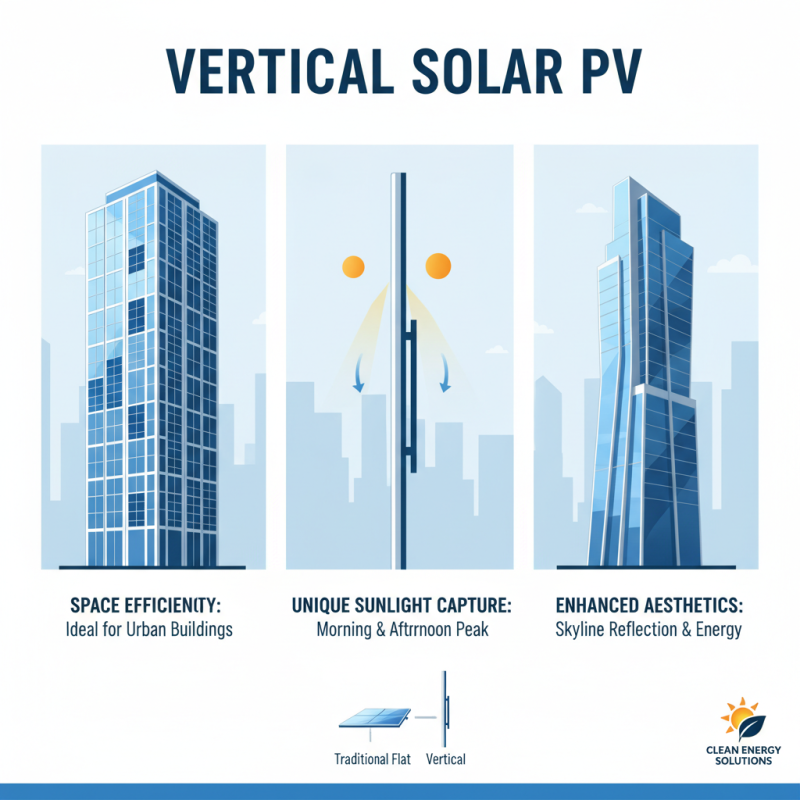
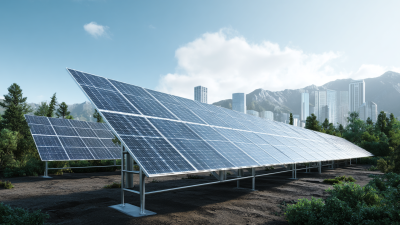
Vertical Solar PV refers to solar panels that are installed vertically. This configuration allows for efficient use of space, especially in urban areas. Unlike traditional panels, which are typically mounted flat, vertical systems capture sunlight differently. They can reflect the unique skyline, enhancing a building's aesthetics while generating energy.

One critical aspect of Vertical Solar PV is its ability to perform well in limited spaces. Rooftops crowded with structures may benefit from this vertical approach. However, these systems may not always reach their full potential in energy capture on cloudy days. That's something to consider when deciding on your solar setup.

Tips: Ensure your location gets ample sunlight. Evaluate any potential obstructions around your installation. Vertical Solar Tubes require careful planning to maximize their effectiveness. Regular maintenance is also essential. Dust and debris can affect their performance, especially in urban settings.

The Importance of Vertical Orientation in Solar Energy

Vertical orientation in solar energy can significantly enhance efficiency. Unlike traditional horizontal panels, vertical solar PV systems can capture sunlight from multiple angles throughout the day. Reports indicate a potential increase in energy output by up to 25% in urban areas. This is essential, especially in cities where space is limited.

Moreover, vertical installations can better withstand wind loads. According to a study from the National Renewable Energy Laboratory, vertical panels often face less debris. This means lower maintenance costs and a longer lifespan. These systems are especially relevant in high-density regions, where rooftops are scarce but wall space is abundant.

However, some challenges exist. Vertical solar panels may not perform as efficiently under low-light conditions. They also require specific architectural designs, which can involve extra costs. Each installation must consider local climate and sunlight patterns. The adaptability of vertical solar PV shows promise, but it demands careful planning. Ensuring optimal layout and design remains crucial for maximizing potential.

Vertical Solar PV Efficiency Comparison

This bar chart represents the energy output of vertical solar PV panels throughout different times of the day. It illustrates how vertical orientation can affect solar energy generation based on sun position.

How Vertical Solar PV Differs from Traditional Solar Panels

Vertical solar PV systems present a revolutionary approach to harnessing solar energy. Unlike traditional solar panels, which are often mounted on rooftops, Vertical Solar Poles can be installed on buildings or in urban spaces. This design allows for better space utilization in crowded environments. They capture sunlight more effectively at various angles throughout the day.

The differences don't stop there. Vertical solar PV systems tend to have a smaller footprint, making them ideal for urban areas with limited space. Furthermore, the vertical orientation can reduce shading from surrounding structures. This means they can generate energy even when traditional panels might struggle. However, the installation of Vertical Solar Pole systems can be challenging. Some worry about aesthetic impact and integration with existing structures.

Maintenance may also require more consideration due to their height. These systems often face operational inefficiencies in low-light conditions, which warrants careful planning. As we explore these solar innovations, it's clear there is potential. Yet, reflections on efficiency, costs, and integration remain crucial to their growth. Innovations like the Vertical Solar Pole offer promise but also challenge conventional ideas of solar energy deployment.

Key Components of a Vertical Solar PV System

What is Vertical Solar PV and How Does it Work?

Vertical Solar Pv systems are becoming popular. They differ from traditional solar panels. The design allows these panels to stand upright. This saves space, making them suitable for urban areas. They catch sunlight effectively, even with limited roof access.

Key components of a vertical solar PV system include solar panels, mounting structures, and inverters. Solar panels convert sunlight into electricity. Mounting structures hold the panels in place. Inverters change the electricity from direct current to alternating current, usable by home devices.

**Tip:** Regular maintenance is vital. Observe if panels are clean and free from debris. Dirty panels can reduce efficiency.

Another component to consider is the battery storage system. It stores excess energy generated during sunny days. This energy can be used at night or on cloudy days. However, battery systems can be costly.

**Tip:** Evaluate your energy needs. Sometimes, smaller systems can meet demands without excessive costs. Always assess your local environment to maximize Vertical Solar PV effectiveness.

Benefits of Implementing Vertical Solar PV Solutions

Vertical solar PV solutions offer distinct advantages over traditional horizontal systems. According to a report by the International Energy Agency, vertical solar panels can increase energy output by up to 20% in urban environments. This efficiency is largely due to their ability to capture sunlight from multiple angles, especially in densely populated areas where roof space is limited. Cities face challenges like shading from tall buildings. Vertical setups can mitigate these issues.

Moreover, vertical solar PV can enhance aesthetics in urban design. They can blend seamlessly into building facades. This not only maximizes energy generation but also contributes to the architectural appeal. However, the initial costs can be higher. Installation and maintenance might require specialized skills. This could deter some potential adopters.

Additionally, the angle of vertical panels may reduce snow accumulation and minimize wear from dust. However, routine cleaning remains essential for optimal performance. Without proper maintenance, efficiency drops. Cities must weigh these operational challenges against the potential benefits. Transitioning to vertical systems can lead to energy independence. It’s a step forward. But it requires commitment and thoughtful planning.

Challenges and Considerations for Vertical Solar PV Systems

Vertical solar PV systems present unique challenges that must be considered. Unlike traditional solar panels, which are installed horizontally, vertical systems are set up on building facades. This orientation can impact efficiency. Solar panels positioned vertically may receive less sunlight. This can reduce energy output, especially in urban areas with tall buildings casting shadows.

Installation of vertical solar PV requires careful planning. Structural support is crucial since these panels can be heavier. The inclination angle also affects performance. A steeper angle may be needed to optimize sun exposure. Wind resistance is another factor; vertical installations are more susceptible to wind forces. Integrating these systems into existing infrastructures can be complex and may require retrofitting.

Aesthetically, vertical solar PV can be a mixed bag. They can enhance a building's appearance, yet some may find them unappealing. Balancing aesthetics and functionality requires collaboration between architects and engineers. Regular maintenance is necessary to keep the systems running efficiently. Dust and debris can accumulate, which may hinder performance over time. Achieving an optimal balance remains a topic for ongoing discussion in the renewable energy community.

Future Trends in Vertical Solar PV Technology

As cities grow, the need for sustainable solutions becomes urgent. Vertical solar PV technology is emerging as a promising option. This innovation can be integrated into building facades and urban spaces. It maximizes sunlight exposure in limited areas. Vertical Solar Modules harness energy in ways traditional panels may not.

Future trends indicate a shift towards more efficient designs. Researchers are exploring materials that enhance light absorption. These advancements may lead to lighter and more aesthetically pleasing options. Urban planners are also considering vertical solar installations in new buildings. However, challenges remain. Some designs may face structural limitations or require special maintenance. Developers must consider these factors carefully.

Moreover, public enthusiasm for vertical solutions is mixed. Many appreciate the environmental benefits. Yet, others worry about installation costs and efficiency. Balancing innovation with practicality will be essential. As technology evolves, we may see more widespread acceptance of vertical solar PV. This could reshape our urban landscapes. But for now, we must confront the obstacles in its path.

FAQS

: What is the main purpose of the service offered?

: The service aims to provide effective solutions for common problems faced by users.

How can users access the service?

Users can easily access it through an online platform or mobile application.

Is there a cost associated with using the service?

Yes, there may be fees involved depending on the specific features selected.

What types of issues can the service help with?

It can address a range of issues, including technical support and general inquiries.

How is user data handled?

User data is collected with care and processed according to privacy regulations.

Can users provide feedback about the service?

Yes, user feedback is valued and can lead to improvements in the service.

What should users do if they encounter a problem?

Users should report the issue through the support feature for assistance.

How quickly can users expect a response?

Response times can vary, but efforts are made to reply as soon as possible.

Are there restrictions on who can use the service?

Certain age restrictions may apply, and users must comply with the service terms.

What if the service does not meet user expectations?

Users are encouraged to share their concerns for potential adjustments.

Conclusion

Vertical Solar PV refers to solar photovoltaic systems that are oriented vertically, rather than horizontally like traditional panels. This orientation offers several advantages, particularly in urban environments where space is limited. Vertical Solar PV can effectively capture sunlight even in areas with tall buildings, thereby maximizing energy production in constrained spaces.

The benefits of implementing Vertical Solar PV solutions include improved aesthetic integration into architectural designs and the potential for enhanced energy efficiency. However, there are challenges to consider, such as the impact of shading and wind loads. As technology advances, the future of Vertical Solar PV looks promising, with ongoing innovations aimed at increasing efficiency and adaptability in diverse settings.
Isabella

Isabella

Isabella is a dedicated marketing professional at Zhongshan Sanhui Lighting Technology Co., Ltd., where she has honed her expertise in the lighting industry. With a keen understanding of the company's innovative products and services, Isabella plays a crucial role in promoting the company's core......
Previous Unlocking Smart City Solutions Top Tips for Sourcing Quality Suppliers