Top Vertical Solar Module Manufacturers for Global Buyers?
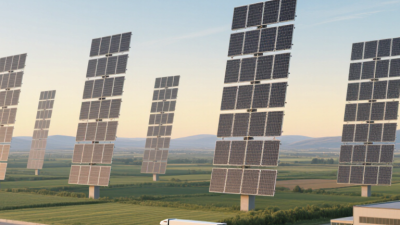
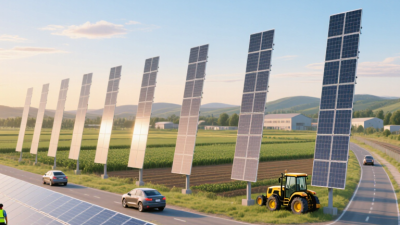
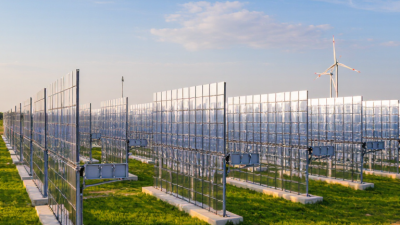
Vertical solar module technology is really gaining ground, moving from being a niche concept to a serious option for energy buyers around the world. The panels are installed upright, usually facing east and west, which creates two peak production times instead of just one big peak around midday. That’s actually pretty important for farms, transport routes, industrial sites, or places with limited roof space. But here’s the thing — the market isn’t all the same across the board. Some companies focus on manufacturing the modules themselves, while others mainly handle mounting systems, engineering, or even complete projects. It varies a lot. Then there’s Stephan Schindele, head of Agri-Photovoltaics at Fraunhofer ISE, who describes the core benefit of agrivoltaics in a simple way: “Agri-photovoltaics can help cut down the conflict between food and energy production.” Sounds awesome, right? But of course, how well it actually works depends on the execution. If you’re thinking about buying, you’ve gotta look at things like bifacial performance, glass durability, how well it withstands wind, inverter compatibility, warranty details, and ease of cleaning. Having a pretty datasheet is nice, but real-world performance and field evidence matter way more. In this guide, I’ll walk you through some of the top manufacturers and tech partners that serve buyers internationally — like Next2Sun, JinkoSolar, LONGi, Trinasolar, Canadian Solar, and JA Solar. Keep in mind, they’re not all the same. Some offer standard modules suitable for vertical setups, while others are more specialized or provide integrated solutions. When shopping around, make sure to ask for independent test reports, data on how the modules degrade over time, production estimates, and references from projects in similar climates. Things like frost, dust, snow, and shading can make a huge difference on the business case. And just a heads-up: no single ranking is perfect. The economics depend a lot on land prices, local electricity rates, grid regulations, and installation expertise. Sometimes, the cheapest module might not actually be the most cost-effective vertical system in the long run. Basically, it pays to do your homework—nothing beats a careful, well-informed buyer who’s willing to dig a little deeper.
Read more »